
Escalating Tensions: The United States on the Brink of War Again
Political Posturing: A Prelude to War?
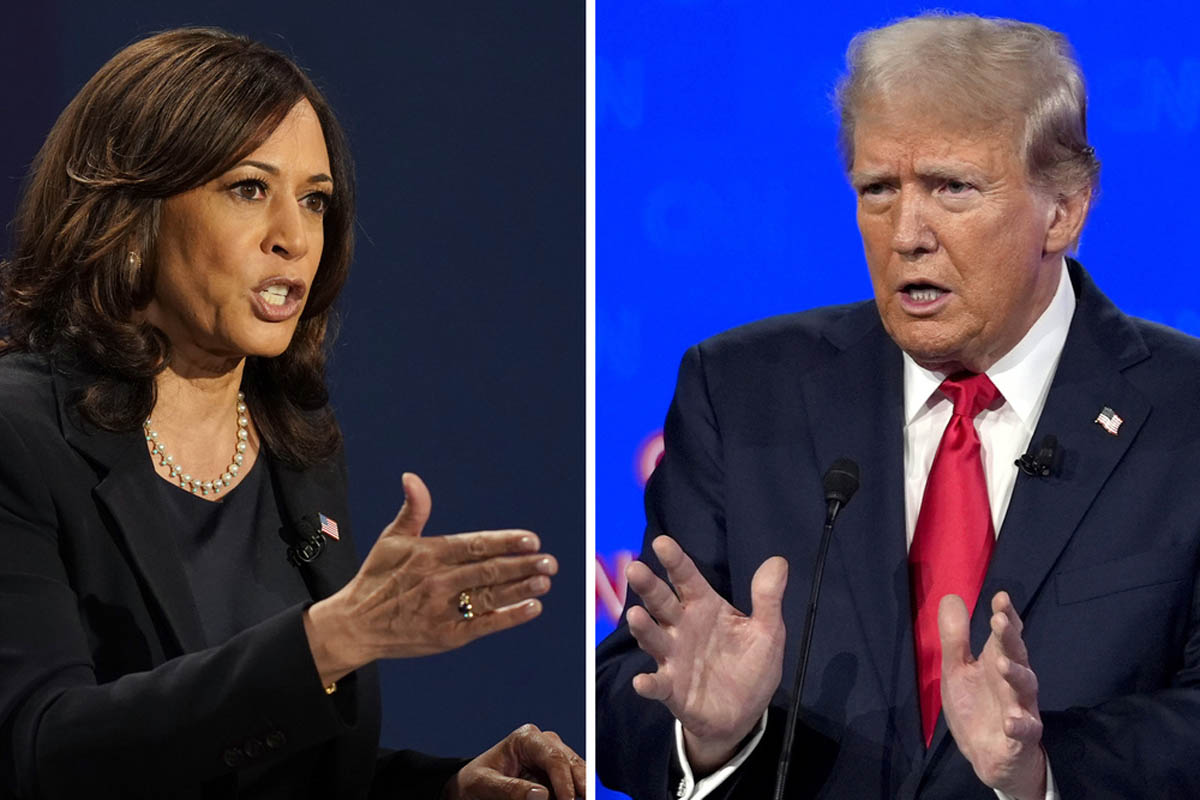
Kamala Harris, in a pointed statement reported by La Opinion, reminded Trump of his 2016 and 2024 pledges to avoid new wars, accusing him of hypocrisy amid strikes on Iranian targets following attacks on U.S. assets. Confirmed: Harris's remarks were delivered during a California rally on February 27, 2026. These comments underscore bipartisan tensions—Democrats decry executive overreach, while some Republicans defend Trump's actions as defensive.
Congress is now poised to vote on war powers resolutions, per CNN, potentially curbing presidential authority under the 1973 War Powers Resolution. Unconfirmed reports suggest a slim bipartisan majority, but GOP leadership may block it. This posturing reflects how domestic polarization—exacerbated by 2024 election fallout—influences overseas engagements, mirroring historical debates where political theater preceded escalations like Vietnam.
Historical Echoes: Lessons from the Past
U.S. military actions have long been shaped by Congressional debates. Post-WWII, the 1949 National Security Act centralized power in the executive, enabling Korea (1950) without formal declaration. Parallels abound today: Just as Truman faced backlash for "police actions," Trump's Iran strikes echo unchecked interventions.
Key timeline:
- January 6, 2026: U.S. forces injured in Venezuela's Maduro operation—confirmed casualties numbered 12.
- January 7, 2026: Russian troops attacked a U.S. facility in Eastern Europe, prompting retaliatory postures.
- January 17, 2026: Ukrainian delegation visited D.C. for peace talks, stalling amid escalations.
- January 27, 2026: U.S. warships arrived near contested areas, heightening tensions.
- February 26, 2026: Symbolic "final shot" event aboard USS Massachusetts evoked WWII end, contrasting current drifts toward conflict.
These events highlight how political climates—divided then by Cold War fears, now by partisanship—erode war powers checks, risking unauthorized wars.
Current Military Engagements and Their Fallout
Recent operations, including confirmed Iran strikes (February 25, 2026) retaliating for proxy attacks, have rattled allies. The Maduro raid exposed vulnerabilities, with Russian incursions adding pressure. Public sentiment sours: Gallup polls (confirmed February 28) show 58% oppose new wars, up 15% since January.
Social media erupts—@RealJakeTapper tweeted, "Trump's 'end wars' promise? Iran strikes say otherwise. Congress, step up! #WarPowers" (1.2M likes). Anti-war protests swelled in D.C., with #NoNewWars trending (500K posts). Backlash could fracture coalitions, especially as Venezuelan fallout strains Latin ties.
Looking Ahead: What This Means for U.S. Military Strategy
As divisions deepen, we can predict a surge in military engagements without clear Congressional approval—next targets may include Russian positions or Venezuelan holdouts. Congress may pass symbolic resolutions, but veto-proof majorities seem unlikely. Expect public unrest, galvanizing reform calls akin to post-Iraq AUMF repeals.
What to watch: March 5 war powers vote; resumption of Ukrainian talks; ongoing warship deployments. Bipartisan tensions may force strategic restraint—or accelerate brinkmanship.
This is a developing story and will be updated as more information becomes available.