Conflict in Mali: Army and Russian Forces Withdraw from Kidal After Rebel Attacks
Coordinated attacks by jihadists and Tuareg separatists have led to the withdrawal of Mali army and Russian forces from key northern areas, plunging the country into uncertainty.[5] Relative calm has returned to Bamako and Kati after intense weekend fighting between the army and allied groups,[1] while the assaults mark a new phase of the conflict in Mali, involving coordinated efforts, covert infiltration, and alliances between rival armed groups.[2] Russian mercenaries and Malian troops have pulled back from the northern city of Kidal following clashes with separatist forces, allowing the Azawad Liberation Front to claim full administrative control after negotiations facilitated the exit.[3]
Overview of Recent Attacks
The recent wave of violence in Mali represents a significant escalation, characterized by simultaneous and coordinated strikes across multiple regions. Over the weekend, jihadists allied with Tuareg separatists launched attacks on army positions near the capital Bamako and in the northern parts of the country, creating widespread instability.[1][5] These operations targeted key military installations, including those in Bamako and the junta's stronghold of Kati, where two days of fierce fighting unfolded between government forces and the assailants.[1] The assaults were not isolated incidents but part of a broader strategy that included covert infiltration tactics, allowing attackers to penetrate defended areas effectively.[2]
In Bamako, the capital, the fighting led to heightened tensions as jihadists and their Tuareg separatist partners challenged army control directly.[5] Similarly, Kati, a critical base for the ruling military junta, experienced intense combat that disrupted normal operations and raised fears of further incursions into government-held territories.[1] Further north, the attacks extended to strategic locations, compounding the pressure on Malian troops and their foreign allies.[4] Analysts have noted that these events signal a shift in the dynamics of the conflict in Mali, with rival armed groups—previously at odds—now collaborating in a unified push against the authorities.[2] This coordination has plunged the nation into its most serious security crisis since 2012, as the strikes exposed vulnerabilities in the junta's defensive posture.[5]
The immediate aftermath saw a scramble among security forces to regain footing, but the scale of the operations underscored the evolving threat landscape. Jihadists and Tuareg separatists, leveraging their combined strengths, mounted pressure on positions that had been considered secure, leading to a reevaluation of military deployments nationwide.[1][5] This overview of the attacks highlights how the weekend's events have reverberated through Mali's urban centers and remote northern outposts alike, setting the stage for subsequent developments.
Withdrawal of Forces
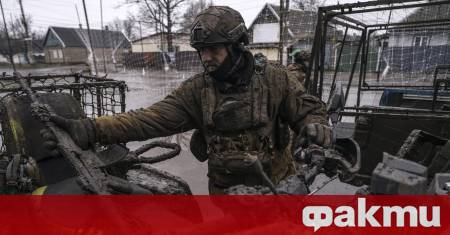
The strategic retreat of Malian army units and Russian mercenaries from Kidal marks a pivotal moment in the ongoing hostilities. Following two days of intense combat against separatist forces, Russian Africa Corps mercenaries—deployed to bolster the military government—and Malian government troops initiated a withdrawal from this northern stronghold.[3][4] The move was confirmed by the Russian fighters themselves, who acknowledged pulling out after a weekend dominated by coordinated assaults from separatist fighters and Islamist militants.[4]
Kidal, long a contested area in Mali's north, became the focal point of these clashes, where separatist groups overwhelmed positions held by the combined Malian-Russian contingent.[3] The withdrawal was not a hasty abandonment but was facilitated through formal negotiations between the opposing factions, enabling an orderly exit.[3] This development allowed the Azawad Liberation Front (FLA), a separatist entity, to assert full administrative control over the city, filling the vacuum left by the departing forces.[3]
The pullback underscores the challenges faced by foreign-backed Malian operations in remote regions. Russian forces, present to protect the junta, found themselves compelled to cede ground amid sustained separatist pressure.[4] Details from reports indicate that the combat was part of a larger pattern of coordinated attacks across Mali, which stretched government resources thin and necessitated this tactical repositioning.[4] For the Malian army, the loss of Kidal represents a symbolic and practical setback, as the city has historically been a flashpoint in separatist struggles.[3] This withdrawal highlights the limitations of current military strategies in holding northern territories against determined insurgent coalitions.
Current Situation in Affected Areas
A fragile calm has settled over key locations in Mali following the weekend's turmoil, though underlying tensions persist.[1] In Bamako and Kati, relative calm returned on Monday after the fierce exchanges between the army and jihadists allied with Tuareg separatists.[1] These areas, central to the junta's power base, experienced a reprieve from the violence that had gripped them over two days, allowing some normalcy to resume amid heightened security measures.[1]
In the north, the situation in Kidal has stabilized under separatist administration, with the Azawad Liberation Front claiming complete control post-withdrawal.[3] The negotiated departure of Malian and Russian forces prevented further bloodshed in the immediate term, but it has shifted authority decisively toward the rebels in this region.[3] Across the country, the attacks have left a landscape of uncertainty, particularly regarding the military government's ability to project power beyond urban strongholds.[1][5]
This current equilibrium is described as precarious, with the potential for renewed clashes looming large.[1] Bamako's streets, previously scenes of combat, now reflect a tentative peace, while Kati's military installations remain on alert.[1] Northern areas like Kidal, now under FLA oversight, illustrate a partitioned reality where government influence has waned.[3] Overall, the post-attack environment reveals a nation grappling with fragmented control, where calm coexists uneasily with the threat of escalation.[1][3]
Implications for the Conflict
The coordinated attacks carry profound implications for Mali's protracted security crisis, potentially heralding a turning point for the military junta in power since the 2020 coup.[5] By targeting army positions near Bamako and in the north, jihadists and Tuareg separatists have exposed systemic weaknesses, intensifying pressure on the government and amplifying doubts about its viability.[5] This new phase involves not just volume of assaults but sophisticated coordination, including covert infiltration and unlikely alliances among rival groups, which could prolong and complicate the conflict.[2]
For the junta, the loss of northern footholds like Kidal signals a contraction of territorial control, undermining claims of stability.[3][5] Analysts point to these events as the gravest challenge since 2012, when similar insurgencies reshaped the country's politics.[5] The involvement of Russian mercenaries, now withdrawing from key sites, raises questions about the sustainability of foreign support amid battlefield reverses.[4] Broader ramifications include a deepening security vacuum that could invite further opportunistic strikes on major cities.[2]
This evolution suggests a more fluid conflict in Mali, where traditional adversaries unite against a common foe, potentially eroding junta authority over time.[2] The uncertainty enveloping the government's future stems directly from these setbacks, positioning the nation at a crossroads in its struggle for cohesion.[1][5]
Analyst Perspectives
Political analyst Josiasse Assemon has characterized the simultaneous attacks as indicative of a new phase in Mali's conflict, marked by unprecedented coordination among armed factions.[2] According to Assemon, the operations targeted major cities through covert infiltration, a tactic that enabled rival groups—including jihadists and separatists—to collaborate effectively despite historical animosities.[2] This alliance represents a strategic realignment, pooling resources to challenge the junta more potently than isolated efforts could achieve.[2]
Assemon's assessment emphasizes the pressure mounting on the military government, as these joint endeavors exploit divisions within state defenses.[2] The analyst views the attacks not as sporadic violence but as a deliberate escalation, signaling intent to reshape power dynamics across Mali.[2] Such perspectives underscore the adaptive nature of insurgent strategies, where former rivals forge temporary pacts to advance shared objectives against Bamako.[2]
Experts like Assemon highlight how this coordination amplifies the threat, potentially drawing in additional actors and complicating stabilization efforts.[2]
What to watch next: Observers will monitor whether the junta can regroup and reclaim northern territories like Kidal, amid ongoing uncertainty over its future and the risk of further coordinated assaults by jihadist-separatist alliances.[1][3][5]