
Conflict in Mali: Army and Russian Forces Withdraw from Kidal After Rebel Assaults
Mali army and Russian mercenaries have withdrawn from the northern city of Kidal following intense rebel attacks.[1] This development marks a significant setback in the ongoing conflict in Mali, where coordinated assaults by separatist fighters and Islamist militants have targeted army positions across the country, including near the capital Bamako.[2][3] The withdrawal has allowed the Azawad Liberation Front to claim full administrative control of Kidal, while the death of Mali's defense minister during the attacks has deepened the security crisis facing the military junta in power since 2020.[1][4] Analysts view these events as a potential turning point for the government.[3]
Overview of the Withdrawal
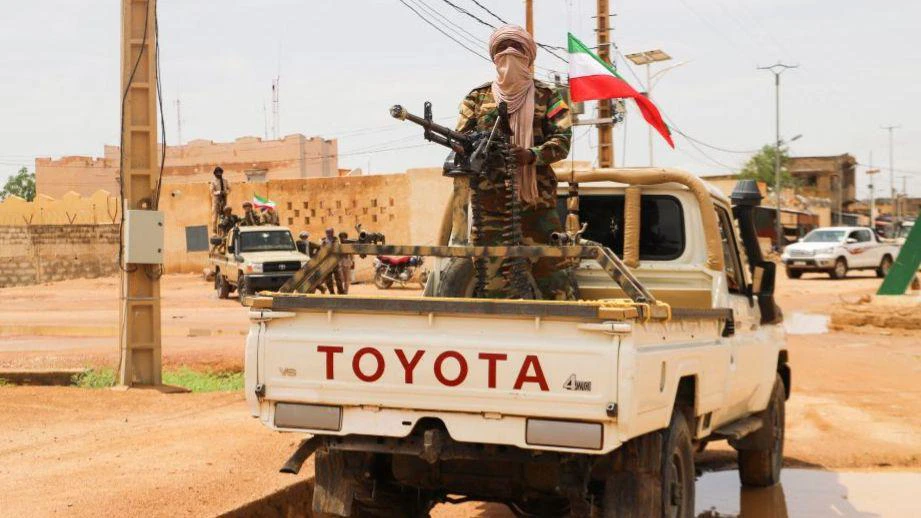
The strategic withdrawal of Malian government troops and Russian Africa Corps mercenaries from the northern stronghold of Kidal represents a pivotal moment in Mali's protracted internal strife.[1] Following two days of intense combat against separatist forces, the combined forces initiated a pullout, confirmed directly by the Russian fighters who have been supporting the military government.[2] This move was not a hasty retreat but appears to have been facilitated through formal negotiations between the opposing factions, underscoring the fluid dynamics of the conflict in northern Mali.[1]
Kidal, long a contested area in the region's separatist struggles, had served as a key position for government and allied forces. The decision to withdraw came amid mounting pressure from rebel advances, highlighting vulnerabilities in the defense strategy employed by the junta.[1][2] Russian mercenaries, deployed to bolster Malian troops against various insurgent groups, acknowledged the pullout after a weekend of sustained engagements, signaling a tactical reassessment in the face of overwhelming rebel momentum.[2] This event disrupts the government's hold on northern territories, where control has oscillated between state forces and non-state actors for years. The immediate trigger was the ferocity of the rebel assaults, which overwhelmed positions in Kidal and forced a reconfiguration of military priorities.[1]
In the broader context of Mali's security challenges, such withdrawals are rare admissions of limitation by the junta, which has relied heavily on foreign support, including from Russia, to maintain territorial integrity.[2] The confirmation from Russian sources adds credibility to reports of the retreat, dispelling initial uncertainties and pointing to a coordinated disengagement rather than disarray.[2] This overview of the withdrawal illustrates how localized battles can cascade into national implications, reshaping the map of influence in Mali's north.[1]
Details of the Attacks
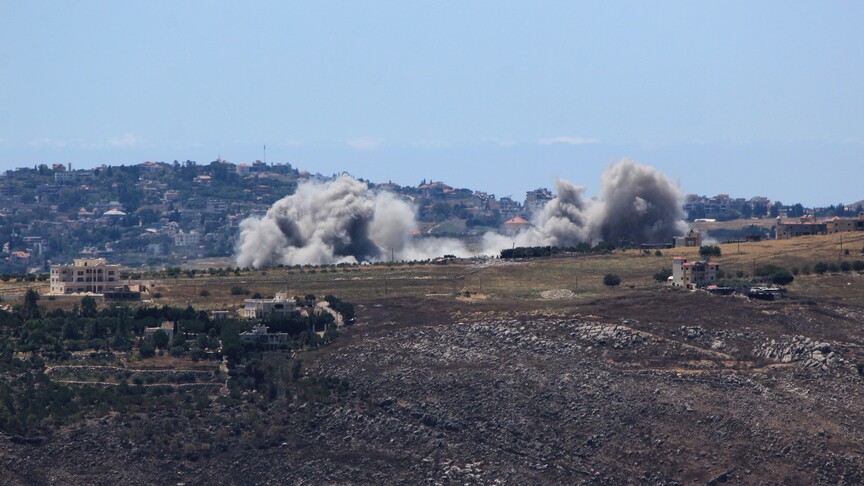
Coordinated attacks across Mali by separatist fighters and Islamist militants over the weekend targeted army positions not only in the north but also near the capital Bamako, plunging the country into heightened turmoil.[2][3] These assaults, described as nationwide in scope, involved jihadist groups and Tuareg separatists striking simultaneously at multiple locations, catching government defenses off guard.[3][4] The intensity of the operations led to significant outcomes, including the reported capture of key northern towns and the deaths of high-ranking officials.[4]
In Kidal specifically, separatist forces engaged Russian-backed troops in prolonged combat, culminating in the confirmed withdrawal.[2] The attacks extended beyond the north, with strikes near Bamako underscoring the rebels' ability to project power across diverse regions.[3] Jihadist fighters and separatists, often operating in loose alliances during such offensives, exploited weaknesses in army deployments, leading to a cascade of losses.[2][4] Reports indicate that these coordinated efforts were meticulously planned, hitting army positions over a compressed timeframe—primarily Saturday and into the weekend—maximizing disruption.[5]
The outcomes were stark: rebels gained ground in strategic areas, while Malian forces suffered casualties, including the defense minister.[4] Russian mercenaries, tasked with protecting junta installations, found themselves withdrawing from Kidal after these assaults, a move they publicly confirmed.[2] This level of coordination among disparate rebel factions—separatists pursuing autonomy and Islamists advancing ideological goals—demonstrates evolving tactics in the conflict in Mali, where opportunistic alliances amplify threats to state control.[3] The attacks' success in overrunning positions near urban centers like Bamako further eroded confidence in the military's defensive posture.[3][4]
Impact on Mali's Government
Mali's military rulers are now confronting a profound security crisis, exacerbated by the killing of the defense minister during the weekend's coordinated nationwide attacks.[4] This loss, alongside the rebels' seizure of a key northern town like Kidal, has left the junta reeling, with reports of Russian mercenaries fleeing occupied areas adding to the narrative of vulnerability.[5] The death of such a senior figure not only creates a leadership vacuum but also signals the penetration of rebel operations into the heart of government defenses.[4]
The junta, which seized power in a 2020 coup, faces what analysts describe as a potential turning point amid this uncertainty.[3] Coordinated strikes by jihadists and separatist rebels have exposed systemic weaknesses, particularly in holding peripheral territories while defending the capital region.[3][4] The defense minister's demise during these assaults underscores the personal risks to junta leadership and the broader instability plaguing the regime.[4][5] With Russian allies withdrawing from critical fronts, the government's reliance on external support is under scrutiny, potentially straining relations and operational capacity.[2][5]
This crisis compounds existing pressures on the military rulers, who have struggled to consolidate control since taking power.[3] The nationwide scope of the attacks, reaching from remote northern outposts to positions near Bamako, illustrates a multi-front challenge that could precipitate shifts in power dynamics.[4] Casualties among top officials and territorial losses threaten the junta's legitimacy, inviting speculation about internal repercussions or renewed international involvement.[3]
Rebel Claims and Negotiations
The Azawad Liberation Front (FLA) has asserted full administrative control over Kidal in the wake of the Malian army and Russian mercenaries' withdrawal.[1] This claim follows the strategic pullout, which was enabled by formal negotiations between the factions, suggesting a negotiated disengagement rather than outright defeat.[1] Rebel groups, including those attacking multiple cities on Saturday, have capitalized on the chaos, with reports of Russian leased soldiers fleeing from an occupied city aligning with the FLA's bold proclamation.[5]
These negotiations highlight a pragmatic undercurrent in the conflict, where battlefield gains are sometimes codified through dialogue.[1] The FLA's declaration of administrative oversight implies not just military dominance but an intent to govern, potentially setting the stage for parallel structures in the north.[1] Amid attacks on several cities, such claims bolster rebel morale and challenge the central government's authority.[5] President Assimi Goïta's administration now grapples with these assertions, as separatist advances reshape territorial realities.[5]
Broader Security Context
Mali is enduring its most serious security crisis since 2012, triggered by the recent coordinated weekend attacks from jihadists and Tuareg separatists on army positions near Bamako and in the north.[3] This escalation builds on years of instability, with the junta—ruling since the 2020 coup—now at a possible inflection point.[3] The involvement of multiple insurgent types underscores the fragmented yet potent opposition to state control, where alliances form to exploit government overextension.[3]
The attacks' reach into central areas near the capital amplifies the threat, reviving memories of earlier upheavals that destabilized the country.[3] Analysts note that such events could redefine the junta's trajectory, pressuring it to adapt amid persistent northern insurgencies.[3] This context frames the Kidal withdrawal and related losses as symptoms of deeper, ongoing challenges to Mali's sovereignty.[3]
What to watch next
Observers will monitor whether the junta can regroup following the defense minister's death and territorial losses, potential escalations in rebel coordination across regions, and any formal responses from Russian allies amid their confirmed withdrawal from Kidal.[2][3][4]