Escalating Conflict in Yemen: Saudi Bombing Campaign and UAE Withdrawal Deepen Tensions

Latest from X
Escalating Conflict in Yemen: Saudi Bombing Campaign and UAE Withdrawal Deepen Tensions
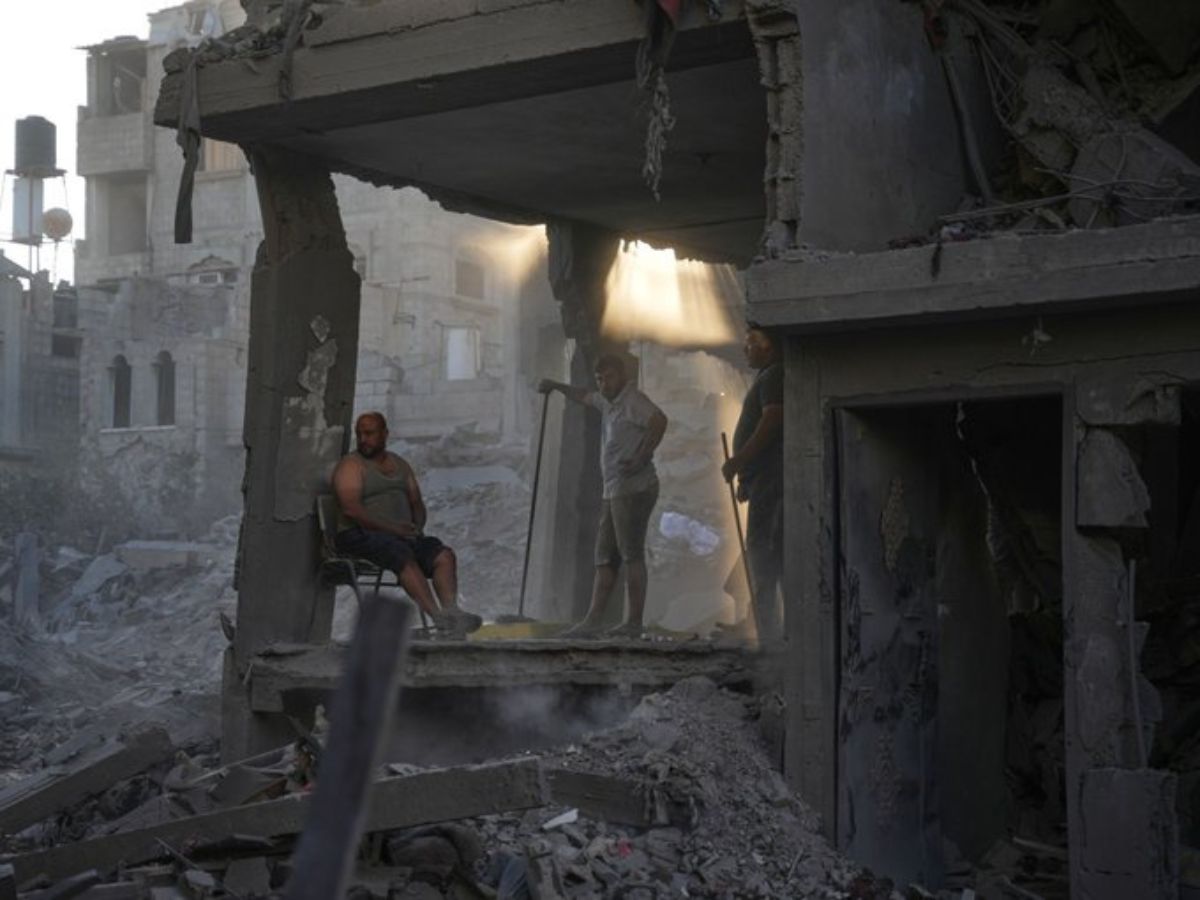
Yemen's protracted conflict has entered a dangerous new phase as Saudi Arabia intensifies its military operations with a bombing campaign targeting separatist forces in the south, while the United Arab Emirates (UAE) prepares to withdraw its troops from the region. The escalation, which began on December 31, 2025, has resulted in significant casualties and heightened tensions between the two Gulf allies, with accusations of supporting rival factions fueling a public rift. Amid the chaos, Yemeni government forces have regained control of key areas, including the eastern province of Hadhramaut, marking a significant shift in the conflict's dynamics.
According to a military official cited by Channel News Asia, at least 80 Yemeni separatists associated with the Southern Transitional Council (STC) have been killed in fighting and airstrikes since Friday, January 2, 2026. The STC, backed by the UAE, has long sought independence for southern Yemen, putting it at odds with the Saudi-supported internationally recognized government. Saudi Arabia has described its recent bombing campaign as a necessary measure to secure strategic military positions and curb separatist advances, though the STC has accused Riyadh of targeting civilian areas with its airstrikes.
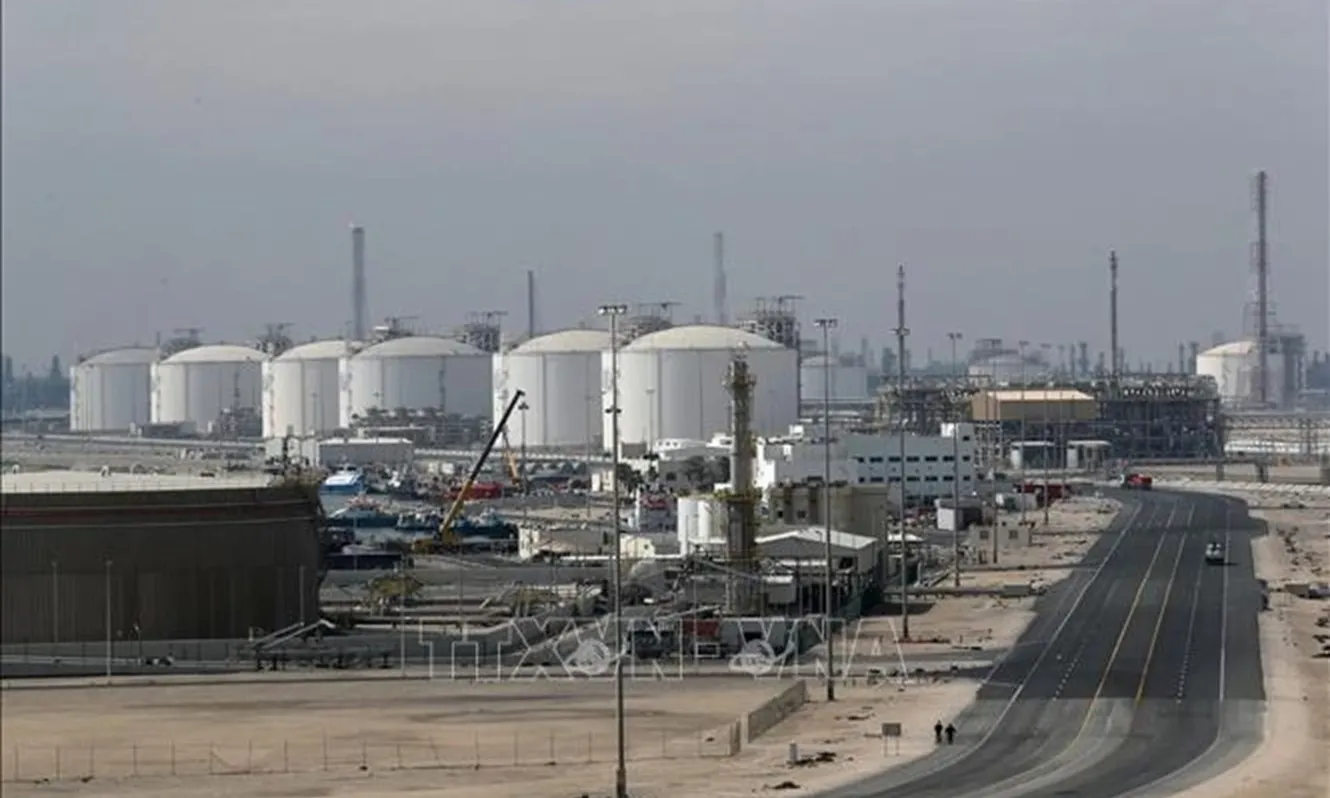
In a significant development on January 4, 2026, Yemeni governor Salem Al-Khanbashi announced that government forces had regained full control of Hadhramaut province in eastern Yemen following the withdrawal of STC troops, as reported by Anadolu Agency. Hadhramaut, an oil-rich region, has been a focal point of contention between separatist forces and the central government. The governor's statement signals a potential setback for the STC's territorial ambitions, though it remains unclear whether this control will hold amid ongoing violence.
Background: A Fractured Alliance and a Complex War
Yemen's civil war, which began in 2014, has pitted the internationally recognized government, supported by a Saudi-led coalition including the UAE, against the Iran-backed Houthi rebels who control much of the north, including the capital, Sanaa. While Saudi Arabia and the UAE have been key allies in this coalition for nearly a decade, their interests have increasingly diverged, particularly over the issue of southern separatism. The UAE's support for the STC has clashed with Saudi Arabia's commitment to maintaining a unified Yemen under the recognized government, leading to infighting among coalition-backed forces.
The recent escalation follows a series of clashes in southern Yemen, with the STC attempting to solidify control over key regions like Hadhramaut. Saudi Arabia's bombing campaign, which intensified at the end of December 2025, marks a rare instance of direct military action against UAE-backed forces, exposing deep cracks in the coalition. Meanwhile, the UAE's decision to withdraw its forces, announced in late December according to reports from the BBC, has been interpreted as a response to both the growing rift with Saudi Arabia and domestic pressures to reduce military involvement in Yemen.
Rising Casualties and Regional Implications
The human toll of this latest escalation is stark. The deaths of at least 80 separatist fighters in recent days highlight the intensity of the conflict, with unconfirmed reports of civilian casualties adding to the humanitarian crisis in Yemen, already one of the world's worst. Posts on X from verified accounts, including journalists and conflict analysts, have noted the unprecedented nature of Saudi airstrikes targeting UAE-backed forces, with some suggesting that the STC now controls significant portions of Yemen's oil reserves despite recent losses in Hadhramaut.
The public confrontation between Saudi Arabia and the UAE also raises broader concerns for regional stability. Analysts warn that a fractured coalition could embolden the Houthis, who have continued to launch attacks on Saudi territory and maritime targets in the Red Sea. Moreover, the power vacuum left by the UAE's withdrawal could further destabilize southern Yemen, creating opportunities for other armed groups to assert influence.
Outlook: A Path to Dialogue or Further Conflict?
Despite the escalating violence, there are tentative signs of de-escalation. On January 4, 2026, Reuters reported that the STC welcomed a Saudi call for dialogue to address the military escalation, suggesting a possible willingness to negotiate. However, the underlying tensions between Saudi Arabia and the UAE, compounded by their competing visions for Yemen's future, are unlikely to be resolved quickly.
As the conflict in Yemen continues to evolve, the international community faces renewed calls to push for a comprehensive ceasefire and political solution. For now, the people of Yemen remain caught in the crossfire of a war that shows no signs of abating, with the latest escalation serving as a grim reminder of the challenges in achieving lasting peace.
Track this story live
Live World Map
Monitor global events in real time with a live activity map and hotspot summaries.
Global Conflict Map
Follow active conflict zones, strike activity, and emerging geopolitical hotspots.
Current Wars
Track all active wars and armed conflicts happening in the world right now.
Iran War
Track the Iran war in real time with proxy network monitoring, Strait of Hormuz risk, and market impact.
Original Sources
- •
- •
Editorial process: This article was synthesized from the original sources cited above using The World Now's AI editorial system, with byline accountability from our editorial team. We grade every story for source grounding, factual coherence, and on-topic match before publication. Read more about our editorial standards and contributors. Spot something inaccurate? Let us know.
Last updated: June 8, 2026