
Earthquakes Today Shake Peru Colombia and New Zealand Regions
Multiple earthquakes struck several countries on September 19-20 2026 including a magnitude 5.2 event in Peru a swarm of eight tremors in Colombia and magnitude 5.1 and 4.7 quakes in New Zealand. These earthquakes today continued patterns of seismic activity reported across the Pacific region with details drawn from official monitoring agencies.
Recent Seismic Activity in Peru
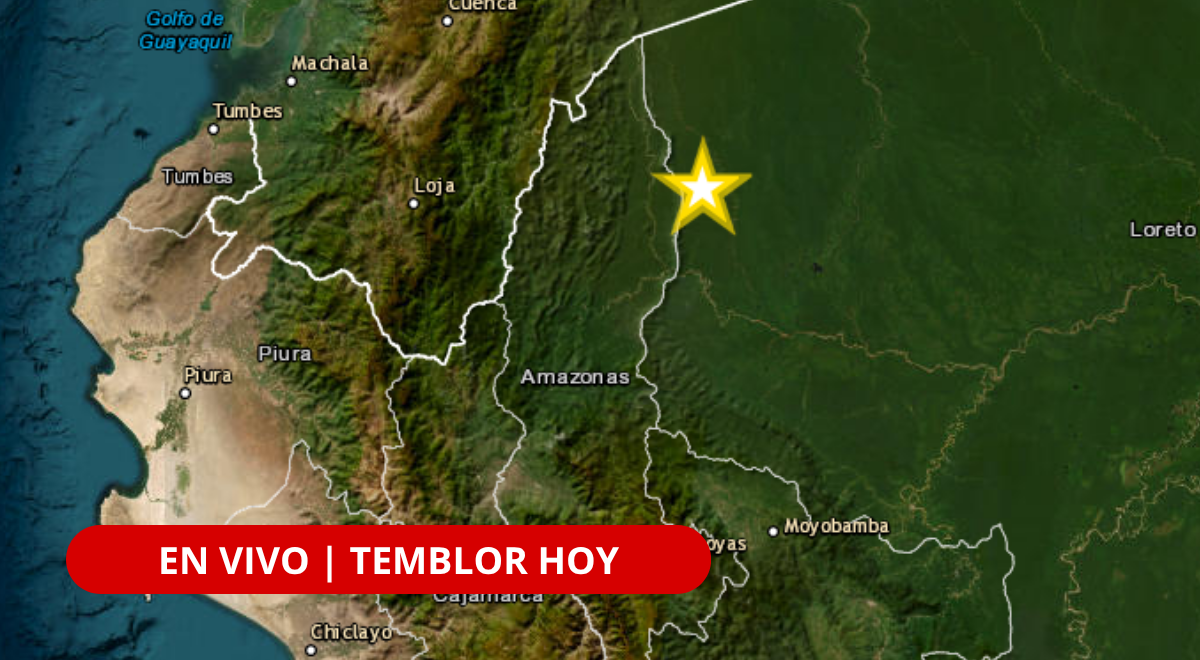
Peru recorded at least 15 earthquakes between 15-20 September 2026 with the largest a magnitude 5.2 in Amazonas on 19 September followed by a magnitude 4.9 in La Libertad on 20 September. [1] The Instituto Geofísico del Perú reported the magnitude 5.2 event at 02:12:30 on 19 September located 96 km al NE de Santa María de Nieva in Condorcanqui Amazonas. [1] Additional events on that date included a magnitude 4.5 quake at 07:46:37 located 87 km al N de Santa María de Nieva. [1] On 20 September the magnitude 4.9 tremor struck at 22:58:23 located 26 km al SO de Salaverry in Trujillo La Libertad. [1] Other recorded events that day included a magnitude 4.0 at 20:07:32 located 12 km al E de Cusco and a magnitude 3.4 at 21:02:51 located 11 km al E de Cusco. [1] Earlier activity from 15 to 18 September featured events such as a magnitude 4.2 on 15 September in Áncash a magnitude 3.6 on 16 September in Piura and a magnitude 3.7 on 17 September in Piura along with multiple magnitude 3.4 to 4.0 events in regions including Lima Arequipa Ucayali Tumbes and Lambayeque. [1] The IGP maintains ongoing monitoring to provide official data on magnitude depth epicenter location and estimated intensity for each event. [1]
Earthquake Swarm in Colombia
Colombia experienced a swarm of eight shallow earthquakes in Chaparral Tolima on 20 September with magnitudes ranging from 2.0 to 4.1 all sharing nearly identical epicenters and continuing into the evening with additional events up to magnitude 3.9. [2] The sequence began at 4:52:31 a.m. with a magnitude 4.1 event at coordinates 3.84° latitude and -75.61° longitude with depth less than 30 km. [2] Subsequent events included a magnitude 2.2 at 5:24 a.m. a magnitude 2.0 at 6:21 a.m. a magnitude 2.4 at 6:24:14 a.m. a magnitude 3.1 at 7:38 a.m. a magnitude 2.5 at 7:42 a.m. a magnitude 2.3 at 8:40 a.m. and a magnitude 3.1 at 10:15 a.m. all with the same epicenter area near Chaparral and depths classified as superficial. [2] An additional magnitude 3.9 event occurred at 11:30 a.m. with coordinates adjusted slightly to 3.85° latitude and -75.61° longitude. [2] Further activity extended into the afternoon and evening with a magnitude 2.6 at 5:04 p.m. a magnitude 3.0 at 7:17 p.m. a magnitude 3.4 at 8:57 p.m. a magnitude 2.5 at 10:16 p.m. and a magnitude 2.6 at 11:02 p.m. all remaining superficial and centered in the same sector. [2] The Servicio Geológico Colombiano noted perceptions reported from areas including Ibagué Armenia Cali and other nearby municipalities. [2]
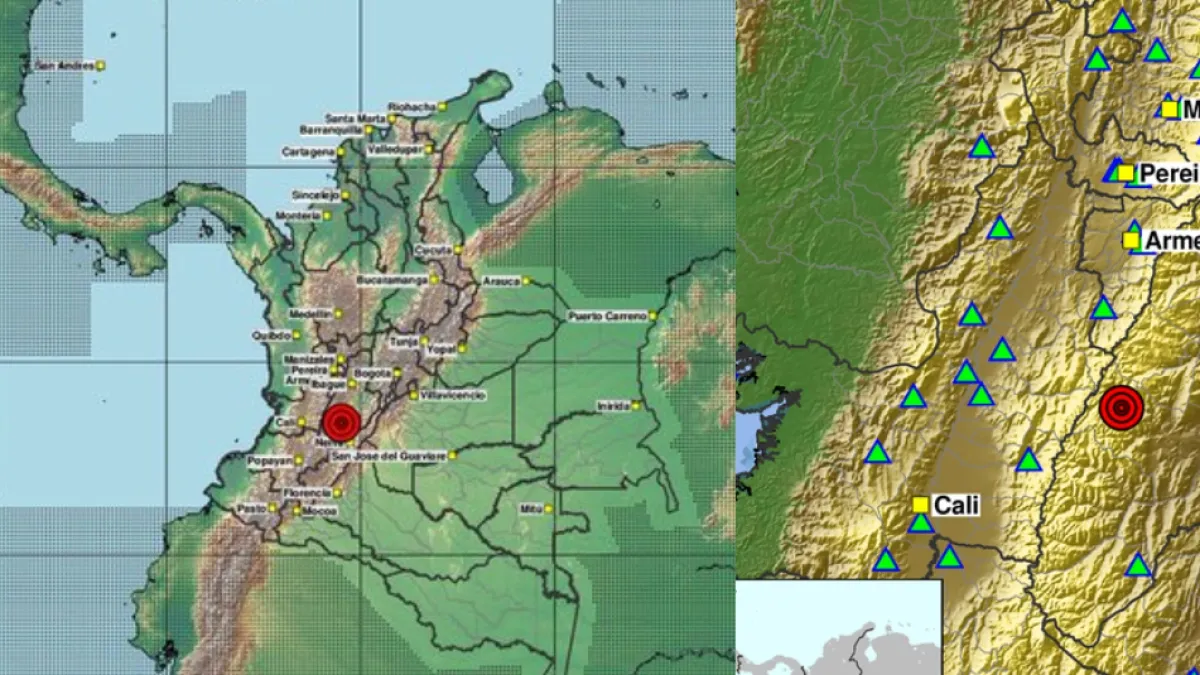
Colombia reports swarm of seven earthquakes with same epicenter on September 20 2026. — Source: gdelt
Earthquakes Today Reported in New Zealand
A magnitude 5.1 earthquake struck 155 km north of Te Araroa New Zealand at a depth of 195 km and was felt across the North Island East Coast with nearly 1000 reports. [4] The event occurred at 4:28 p.m. and was classified as weak by GeoNet with reports submitted within the first 10 minutes. [4] The USGS reported a magnitude 4.7 earthquake 156 km NNW of Hicks Bay New Zealand at a depth of 213 km. [5] This separate event contributed to the sequence of tremors affecting the East Coast region during the same period. [4] [5]
Additional Global Events
The USGS reported a magnitude 2.6 quake 50 km WNW of Nanwalek Alaska at 90.6 km depth. [3] This minor event was recorded alongside the activity in other regions on the same dates. [3]
Geological Context in Peru
Peru lies on the Pacific Ring of Fire where the Nazca Plate subducts under the South American Plate causing frequent seismic activity and the formation of the Andes. [1] The IGP explains that this subduction process concentrates near 85 percent of global seismic activity in the belt and leads to energy accumulation that releases as seismic waves. [1] The ongoing movement of the Nazca Plate beneath the South American Plate also influences the evolution of the Andes mountain range. [1]
Safety Recommendations
IGP and official advice on emergency preparedness includes maintaining an updated family emergency plan identifying evacuation routes in advance preparing an emergency backpack and participating in national drills while consulting only official sources. [1] Emergency numbers in Peru include Bomberos at 116 Policía Nacional del Perú at 105 SAMU at 106 and INDECI through local and regional authorities. [1] The Servicio Geológico Colombiano encourages citizens who felt events to submit reports through official digital channels. [2]
What to watch next includes continued monitoring by the IGP and SGC for any further events in the same epicenter areas as activity extended into the evening hours on 20 September.