
DRC's Evolving Drone Conflicts: The Role of Non-State Actors in Escalating Violence
By Viktor Petrov, Conflict & Security Correspondent, The World Now
March 12, 2026 – In the volatile eastern Democratic Republic of Congo (DRC), a drone strike on March 12 killed a UNICEF aid worker in Goma, highlighting the rapid rise of unmanned aerial vehicles (UAVs) in regional conflicts. Attributed to M23 rebels, this incident shows how non-state actors are using advanced drone technology to challenge state forces, disrupt humanitarian efforts, and fuel proxy wars, reshaping power dynamics in the DRC.
Introduction to the Current Strike Situation
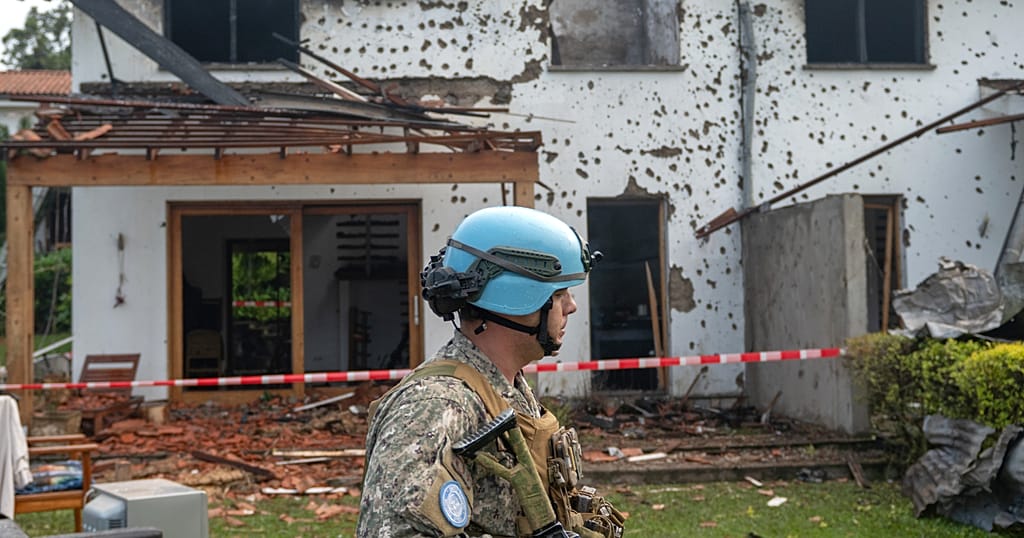
The March 12 drone strike targeted a UNICEF convoy in Goma's Karisimbi district, killing one aid worker and injuring two others, as reported by UN Secretary-General António Guterres and APNews. This attack, likely involving a loitering munition or FPV drone, underscores M23's shift to aerial tactics, backed by Rwandan interests. With over 7 million displaced in North Kivu, these strikes threaten humanitarian operations and civilians, forcing a reevaluation of conflict strategies in the DRC.
Historical Context and Analysis of Drone Warfare
Drone warfare in the DRC escalated rapidly in 2026, starting with M23's public response to FARDC strikes in January. Social media footage from Rutshuru showed M23 vowing retaliation, leading to incidents like the March 11 attack in Buhimba, which killed civilians. Non-state actors, including M23 and ADF, source affordable COTS drones from gray markets, modifying them for strikes and evening the odds against DRC's outdated air forces. This evolution turns local ethnic conflicts into high-tech proxy wars involving regional powers.
Impact on Regional Stability and Looking Ahead
Non-state drone use strains DRC sovereignty, inviting meddling from Rwanda and Uganda while eroding UN peacekeeping efforts. With drones securing smuggling routes for minerals like coltan, instability risks spreading to neighboring countries. Looking ahead, drone strikes could become weekly by Q3 2026, potentially involving AI-guided swarms and drawing international interventions like UN sanctions. Without export controls and enhanced monitoring, these conflicts may escalate, prolonging displacement and hindering peace talks.
Conclusion and Recommendations
Non-state actors like M23 are transforming DRC's conflicts with affordable UAVs, normalizing aerial violence. Recommendations include: (1) EU satellite tracking of drone activities; (2) multilateral bans on lethal COTS drones; (3) OSINT training for local monitors; and (4) drone-jamming for aid convoys. Kinshasa must strengthen its arsenal to prevent further escalation and protect civilians.
The World Now provides source-driven analysis; views are editorial.
Sources: Africanews, APNews, and verified social media posts.