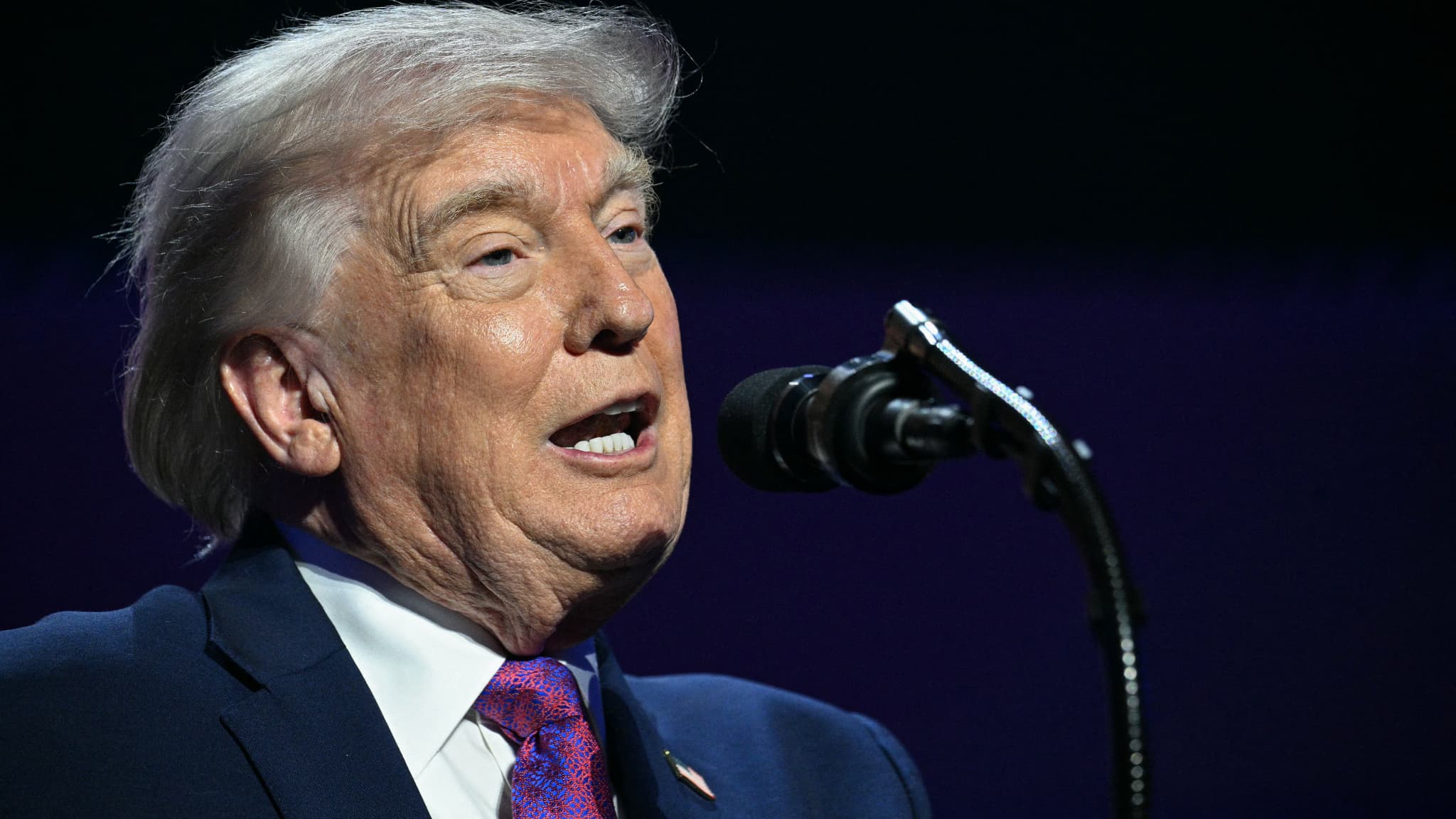
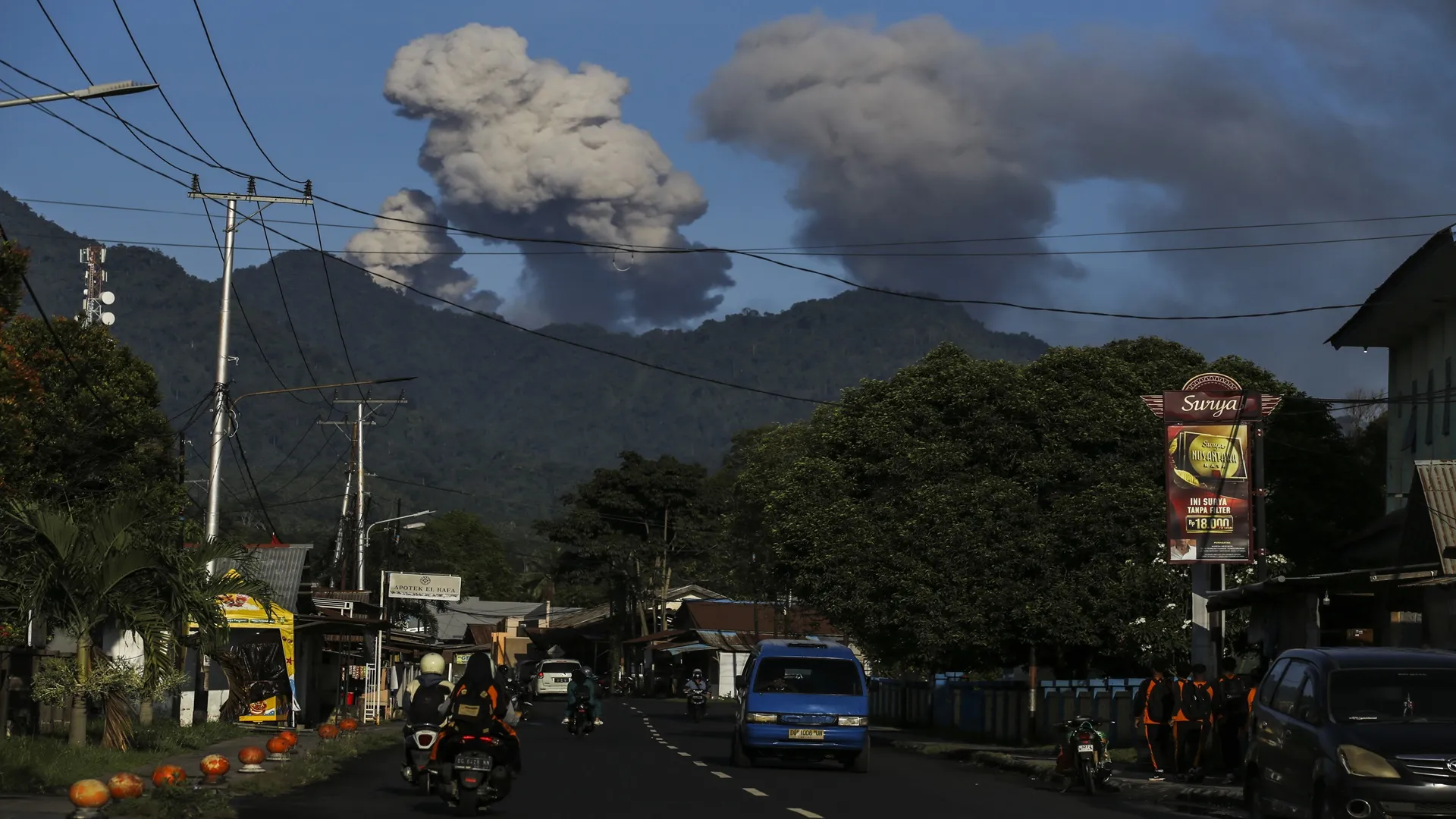
Doomsday Clock Ticks Closer as US and Israel Plan Iran Strikes After Midterms
The United States and Israel are preparing plans for renewed strikes on Iran after the US midterm elections, with targets including nuclear facilities, energy infrastructure, and missile capabilities. As the doomsday clock ticks closer amid these developments, the two countries have developed plans for renewed strikes on Iran after elections, even as President Donald Trump remains undecided. [1]
US and Israel Advance Post-Election Strike Plans
Washington and Israel have devised new plans to strike Iran again after the U.S. midterm elections, citing senior U.S. officials and other sources. [5] The planning comes as the armed forces of both countries have stepped up military maneuvers in the region to rehearse bombing missions. [5] The United States and Israel are preparing plans for renewed strikes on Iran, with potential targets including nuclear facilities, energy infrastructure and missile capabilities. [1] The United States and Israel have developed plans for renewed strikes on Iran after elections. [1]
Recent Netanyahu-Trump Friction and Hegseth Meeting
On October 21, the Financial Times reported that Benjamin Netanyahu had instructed his military to prepare a multi-day bombing campaign against Iran for the weekend of October 10—only for Donald Trump to block it until after the November 3 midterms. [4] The operation would have targeted electricity plants, nuclear facilities, and regime sites, surpassing the intensity of the joint offensive launched in February. [4] US Defense Secretary Pete Hegseth met secretly with Netanyahu this week at a military base in Israel to discuss new strikes. [5] Israeli officials presented an updated target bank that included civilian infrastructure not struck earlier in the year. [4] The Financial Times earlier reported that Netanyahu ordered his military to plan a bombing campaign against Iran at the start of the month, but did not carry it out after U.S. President Donald Trump rejected restarting hostilities before his country’s midterm elections on November 3. [5]
Economic Pressure and Iranian LPG Surplus
Iran's LPG exports have collapsed since the US naval blockade began in mid-July, leaving Tehran to find domestic uses for millions of tons of propane and butane that would normally be sold abroad. [3] The rationale behind the possible strikes is the belief that Iran’s economy is so weakened that another round of bombings would collapse it entirely and force its leadership to make concessions they have resisted through eight months of conflict. [5] It is an idea Washington has held throughout the war — that military and economic pressure, including sanctions, would eventually compel Tehran to yield — but it has never shown signs of happening. [5]
Sanctions Enforcement in Europe
The Greek finance ministry said on Thursday it was implementing sanctions in place linked to Iran and that it backed efforts to effectively combat money laundering and the financing of terrorism. [2] The statement comes after the US Treasury Department said on Wednesday it imposed sanctions on Karnakis & Karnakis, a law firm based in Greece and Panama, saying it had for years provided legal assistance to Iranian shipping networks. [2] The Treasury also said that the US Financial Crimes Enforcement Network issued an administrative subpoena to advance an investigation into a Greek bank, which it did not name. [2] The Greek finance ministry said it had taken note of the US Treasury statement, adding that “all available information is being evaluated, and appropriate measures are being taken in accordance with established procedures and applicable national, EU, and international law.” [2]
Risks and Iranian Response Warnings
Instead, U.S. and Israeli strikes in the early months of the conflict, between February and April, triggered a spike in global energy prices and, with them, inflation worldwide; undermined security in the Middle East; created tensions between the United States and its allies; and drastically depleted the Pentagon’s reserves of missile interceptors. [5] Iranian officials have vowed that if their country is attacked again as it was in the opening months of the war, they will respond in kind. [5] And not only — as has been the case in recent months — against merchant ships in the Strait of Hormuz or energy infrastructure in neighboring countries. [5] They would also consider targeting data centers or undersea internet cables. [5] Over recent months the United States has reinforced its military presence in the Persian Gulf region, where a third aircraft carrier recently arrived in a deployment that will be completed in early November. [5] Washington is demanding that Tehran reopen the strategic Strait of Hormuz, through which one-fifth of the world’s oil and gas flowed before the conflict, and which Iran closed after the outbreak of hostilities. [5] The U.S. also demands that the Islamic Republic permanently abandon development of its nuclear program, a step the regime has so far refused, arguing that the issue should be addressed in a later phase of negotiations. [5]
Doomsday Clock and Electoral Timelines in Washington and Jerusalem
The midterms themselves are a powerless-ballot exercise in war governance. [4] Voters are being told the election is about affordability. [4] Gasoline has reached $4.28 a gallon, $1.20 higher than a year ago, and half of registered voters name the cost of living as their top concern. [4] Trump’s approval sits at a record-low 31%. [4] The House has passed war powers resolutions three times, and the Senate approved one on its tenth attempt—only for Republican senators to reverse course the next day after Trump berated them. [4] The cost of the conflict has reached at least $38 billion, with the Congressional Budget Office estimating an additional $3 billion for every month it continues. [4] The stockpile of interceptor missiles is so depleted that rebuilding it could take five years. [4] Netanyahu’s own calendar is just as cynical. [4] Israel votes on October 27. [4] Netanyahu has said a preemptive strike before the election would be “inconvenient”. [4] Israeli commentators have reported that he fears a military campaign in the final stretch could cost Likud power. [4] The alliance leash runs in both directions. [4] Washington pulls it to protect Republican seats. [4] Jerusalem pulls it to protect Likud seats. [4] The war is paused not because either capital has decided it should end, but because both leaders have decided the timing is wrong for their own electoral survival. [4] Next Tuesday’s Israeli elections, with their uncertain outlook, also pose an unknown factor for the future of the conflict. [5] If Netanyahu loses, he will become merely an interim head of government, and it will be difficult for him to reignite the war. [5] Some analysts believe, however, that the prime minister might try to capitalize on the prospect of a new wave of attacks to pressure his opponents into forming a national unity government to manage the country during wartime and thus remain in power. [5] U.S. forces will not be fully deployed in the area at the levels Washington desires until next month. [5] And by then, the nights will also be longer in the area, which the Pentagon prefers in the event that a decision is made to launch an attack. [5]
What to watch next: It is not yet clear that Trump will greenlight a resumption of attacks, and the war is deeply unpopular in the United States and has been a major factor in driving down the incumbent’s approval rating to roughly 34%, the lowest of his term. [5]