
Doomsday Clock Ticks Closer as UN Warns of Ukraine's Toughest Winter
The UN has warned that Ukraine faces its toughest winter since Russia's full-scale invasion, with a race against the clock to repair energy infrastructure amid systematic Russian attacks that risk a humanitarian catastrophe as the doomsday clock ticks closer to severe conditions for civilians.
UN Warning on Approaching Winter
Ukraine is facing its "toughest winter" since Russia's full-scale invasion in 2022, a top United Nations official told the BBC. Alexander De Croo, head of the UN development agency, said there was a risk of "humanitarian catastrophe" if Russian attacks cut off access to power and water. [2] De Croo accused Russia of systematically targeting the country's energy infrastructure and described a "race against the clock" to repair the power network before winter sets in. [2] He said Ukraine started "from a very weak base going into this winter" and added that the UN were "very, very worried... about what this winter could become." [2] Winter temperatures in Ukraine can drop to -20C, and if power supplies and critical infrastructure were severely damaged it could lead to "quite some human suffering," De Croo said. [2] The UN Development Programme is helping to rebuild parts of Ukraine's energy system damaged last winter while establishing more sustainable and decentralised energy plants that are less vulnerable to attack. [2] De Croo said completing the difficult and dangerous work was "almost an impossible task" because reconstruction occurs under constant air alarms at sites that remain targets. [2]
Russian Casualties and Economic Impact
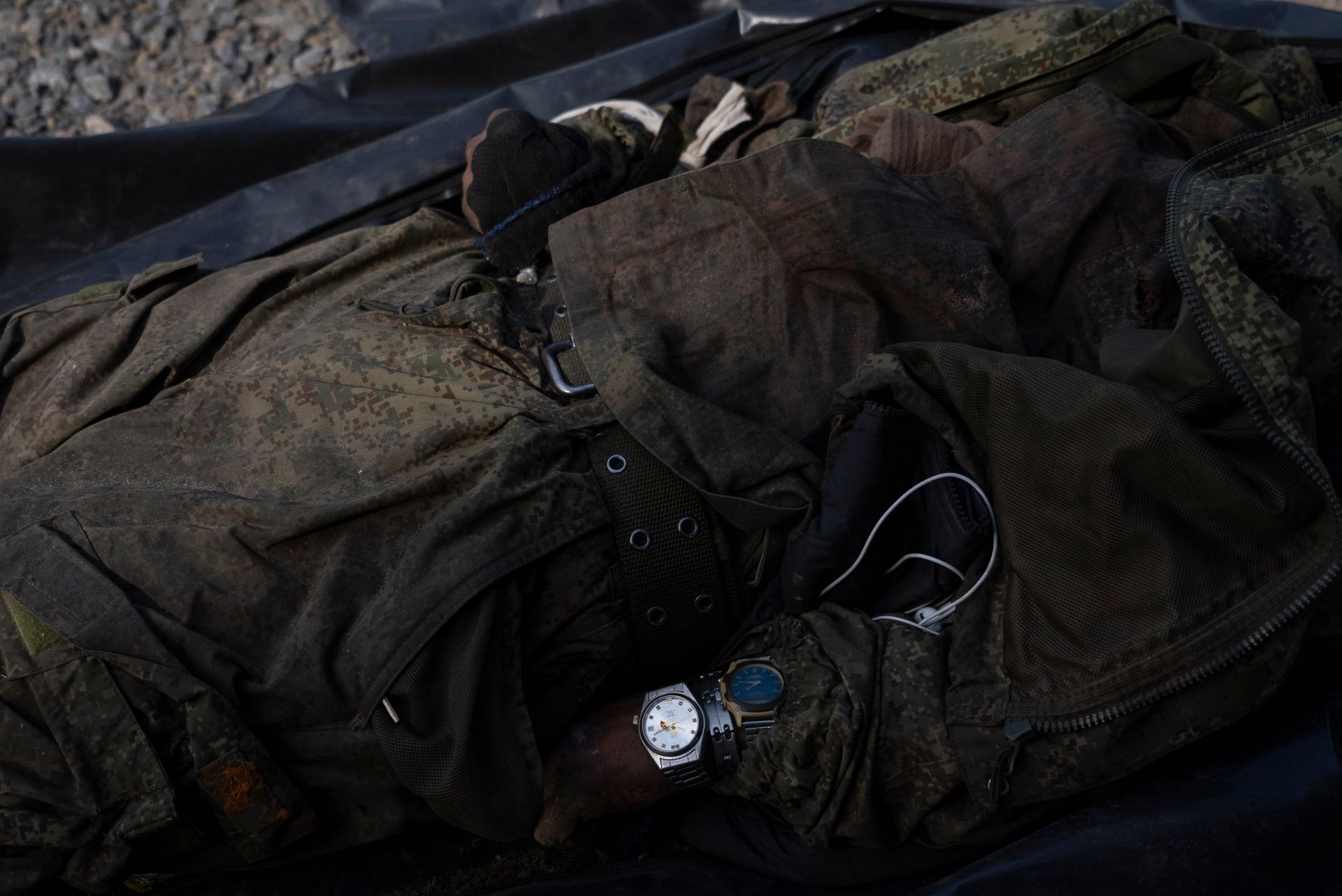
An estimated 500,000 Russian troops have been killed so far in Moscow's full-scale war against Ukraine, British intelligence officials announced on Sept. 11. [3] The head of the U.K's military Sir Rich Knighton stated that these numbers illustrate "the senseless and futile waste of human life for such little progress, and against such an illegitimate aim of President (Vladimir) Putin." [3] The majority of Russia's losses occurred since Jan. 2023, during which time Russia gained only 2% of Ukrainian territory. [3] The number of Russian casualties, meaning killed, wounded, and missing, is thought to be 1.5 million since February 2022. [3] Knighton said the war was beginning to impact Russia's economic outlook, resulting in slowing growth, weakening consumer demand and stubbornly high inflation. [3] Due to heightened inflation risks from Ukrainian drone strikes on oil facilities, the Russian Central Bank's board of directors on Sept. 11 decided to keep the key rate at 14%, the first time the regulator has opted not to cut it since mid-June 2025. [3]
Government Plans for Business Insurance Fund
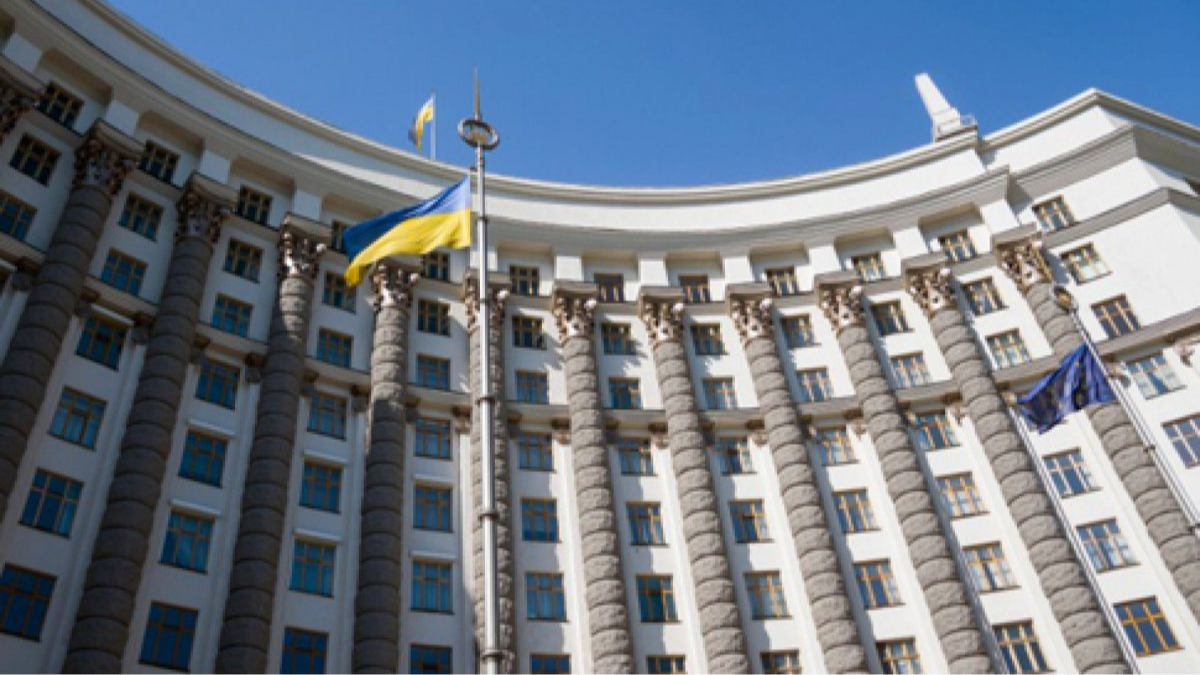
The Cabinet of Ministers plans to establish a special fund to insure businesses against war-related risks, although funding it may require a 1-percentage-point increase in value-added tax (VAT). [1] According to estimates, business losses from attacks could reach US$10 billion this year. [1] The government is proposing to establish an insurance fund to compensate businesses for the first US$10 million in losses from a Russian attack, with the insurance premium planned at 2% of the value of the asset. [1] The programme could launch in early 2027 and would cover the whole of Ukraine while bringing private insurers into the programme. [1] At the outset the fund needs capital of US$2-3 billion, and the Ministry of Economy considers raising VAT from 20% to 21% the best solution. [1] In addition to the long-term insurance fund, the existing war-risk insurance programme allowing businesses in frontline oblasts to receive up to UAH 30 million (US$674,000) in compensation is planned to be extended to Kyiv and Kyiv Oblast. [1] The government also plans to expand the 5-7-9 preferential lending programme to large businesses. [1]

UN official warns of Ukraine's toughest winter since Russia's full-scale invasion. — Source: bbc
Recent Strikes and Civilian Toll
UN official warns of humanitarian risks from Russian attacks on Ukraine energy infrastructure ahead of winter. — Source: kyivindependent
Many of the strikes have targeted Ukraine's infrastructure, including businesses, warehouses, factories, petrol stations, as well as energy infrastructure. [2] Five people were killed and 67 others were wounded in a daytime Russian drone strike on a shopping mall in Pavlohrad on Thursday. [2] Earlier in the week two other shopping malls were targeted by Russian air strikes, killing two people and injuring 28 people in the attacks on the cities of Zaporizhzhia and Sumy. [2] Two people were also killed earlier this week when Russian drones hit a border crossing between Ukraine and Moldova. [2] De Croo said there is no justification for Russia's "very systematic" targeting of Ukraine's civilian infrastructure. [2] Ukraine continues to launch drone strikes deep into Russian territory, largely against gas, oil and business distribution facilities. [2]
AI Involvement in the Conflict
Anthropic published a comprehensive report on the illegal misuse of its Claude AI model by Russian groups. [5] Anthropic identified three Russian groups, of which at least one is considered state-backed. [5] One group linked to Midnight Blizzard monitored around 20 Ukrainian government and military organisations and obtained disturbingly precise information about drones. [5] Using the US AI model, the group managed to steal development documentation for a system through which a drone surveys its surroundings and uses AI to recognise what it sees. [5] Another group known as DronDoc and Serafim, which claims it is financed partly through grants from Russian state organisations including the defence ministry, downloaded Ukrainian combat videos from the internet to try to create a machine-vision programme for controlling swarms of attack drones. [5]
Frontline Developments and Territorial Changes
Military analyst Konrad Muzyka of Rochan Consulting published a map comparing the situation in mid-January with that at the beginning of September. [5] It is striking how little territory the Russians managed to occupy over eight months of an offensive that was meant to lead to the occupation of the whole Donbas. [5] The liberated area in the south of Dnipropetrovsk region is the largest contiguous territory to have changed hands in 2026. [5] Russian forces have lost control of approximately 240 km² near Lyman after a Ukrainian counterattack that thwarted Russia’s attempt to envelop the Slovyansk–Kramatorsk agglomeration from the north. [5] Russian forces have redeployed a large part of the 41st Combined Arms Army and the 90th Guards Tank Army northeast of Pokrovsk and Myrnohrad to reinforce the Dobropillia direction. [5]
What to watch next: Russian forces are moving substantial reinforcements directly opposite Ukrainian positions near Dobropillia while continuing attempts to develop AI-controlled drone swarms, and the government continues discussions on a possible VAT increase to capitalise the new business insurance fund.