
Doomsday Clock Tensions Rise as Iran’s Guards Call Trump ‘Big Liar’ Over Hormuz Blockade
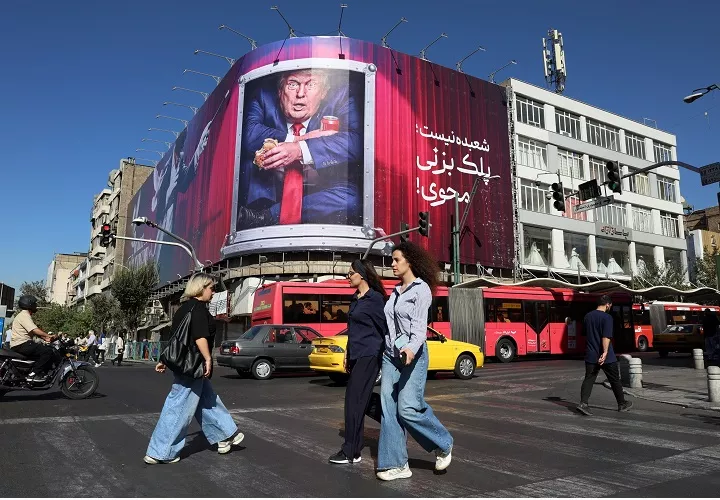
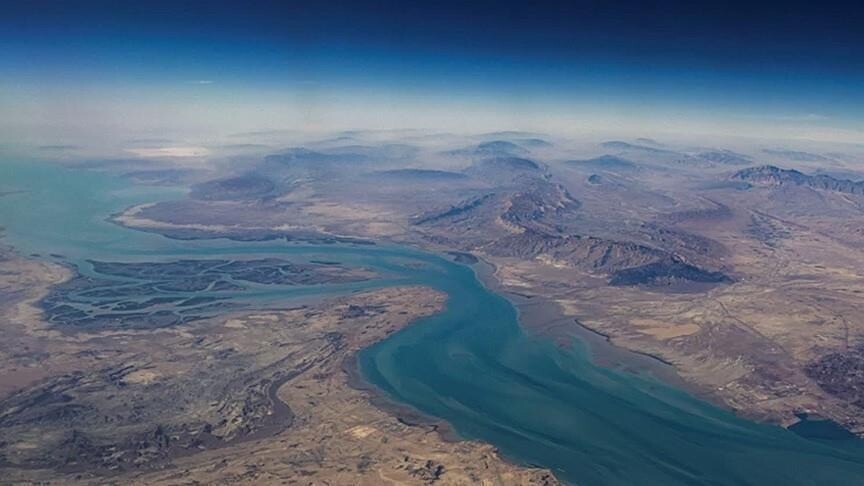
Iran’s Revolutionary Guards have called US President Donald Trump a “big liar” while disputing American claims that the Strait of Hormuz has been reopened, as oil flows partially recover and Iran’s rial falls past 2.5 million to the dollar, raising doomsday clock tensions in the region. Gulf countries are seeking alternative export routes amid the Hormuz crisis, with Kuwait, Qatar and Bahrain paying the steepest price; oil exports from Hormuz-reliant nations dropped over 36 percent and cost $15.2 billion in lost revenue in the first month. [1] Oil shipments from the Persian Gulf are rebounding toward prewar levels as U.S.-protected tankers resume voyages through the Strait of Hormuz while Iran faces pressure from an American naval blockade. [2] Iran is awaiting a US response to its proposal for reopening the Strait of Hormuz; the rial has slid past 2.5 million to the dollar. [3]
Revolutionary Guards Denounce Trump
The Revolutionary Guards spokesman accused Trump of concealing the truth about Iran’s nuclear programme and the effectiveness of its blockade, stating that Iran is not seeking nuclear weapons and that the US wants to destroy Iran’s vastness. [4] The Guards challenged US assertions that Iran has lost leverage over the Strait, noting that small quantities of oil sneaked through at great expense do not mean the Strait is open. [4] September oil exports via Hormuz are set to reach almost 10 million barrels per day, about half the pre-war volume. [4] The Revolutionary Guard urged Americans ahead of US midterm elections to protest against Trump, claiming his war in the Middle East has failed. [5]
Dispute Over Hormuz Blockade Effectiveness
The Guards challenged US assertions that Iran has lost leverage over the Strait, noting that small quantities of oil sneaked through at great expense do not mean the Strait is open. [4] The fact that the Americans might manage, at great expense, considerable trouble, and high risk to sneak a small vessel through the Strait of Hormuz under cover of darkness to export, say, 100 or 200 barrels of oil does not mean the Strait is open, according to the spokesman. [4] Among his reasons for waging war on Iran, Trump has cited the need to ensure that it will never be able to build a nuclear weapon. [4]
Partial Recovery of Persian Gulf Oil Flows
Oil shipments from the Persian Gulf are recovering toward prewar levels as U.S.-protected tankers resume voyages through the Strait of Hormuz, while Iran faces pressure from an American naval blockade, according to analysts and U.S. officials. [2] September has seen a recovery of oil exports via the Strait of Hormuz, which are set to hit almost 10 million barrels per day, about half the pre-war volume. [4] Iran awaited a US response to its proposal for reopening the Strait of Hormuz, with regional oil flows recovering. [3]
Economic Toll on Gulf States and Iran
Gulf countries seek alternative export routes amid Hormuz crisis. [1] Kuwait, Qatar, and Bahrain pay steepest price for lack of alternative access, and Hormuz-reliant Gulf nations’ oil exports drop over 36% and cost $15.2B in lost revenue in 1st month alone. [1] The rial has slid past 2.5 million to the dollar on Tuesday. [3]
Iran Awaits US Reply on Hormuz Proposal
Iran awaited a US response to its proposal for reopening the Strait of Hormuz, with regional oil flows recovering and the rial sinking past 2.5 million to the dollar on Tuesday. [3] Oil shipments from the Persian Gulf are recovering toward prewar levels as U.S.-protected tankers resume voyages through the Strait of Hormuz, while Iran faces pressure from an American naval blockade. [2]
Guard’s Call for US Public Action
Iran's Revolutionary Guard urged Americans in a message ahead of U.S. midterm elections to take to the streets and rally against Donald Trump, claiming the U.S. president's war in the Middle East has failed. [5] The Guard's spokesman said such street protests should denounce the conflict. [5]
What to watch next: Iran awaits a US response to its proposal for reopening the Strait of Hormuz while oil shipments from the Persian Gulf continue recovering toward prewar levels.