
Pakistan's Geopolitical Leverage: How Energy Alliances and Infrastructure Are Reshaping Regional Dynamics
Introduction: Pakistan's Emerging Role in Global Geopolitics
Pakistan, long viewed through the lens of security challenges and regional instability, is undergoing a profound transformation. Once primarily a reactive player navigating the fallout from Afghanistan's turmoil and South Asian rivalries, Islamabad is now positioning itself as a proactive economic influencer in global geopolitics. This shift is epitomized by its strategic deployment of energy alliances and infrastructure projects as diplomatic assets. Recent developments, such as Kuwait's assurance of full facilitation for diesel and jet fuel supplies to Pakistan and the milestone berthing of a specialized vessel at Gwadar Port, underscore how economic tools are reshaping Pakistan's leverage amid escalating Middle East tensions, including Iran's Strait of Hormuz tensions that threaten global supply chains.
The unique angle here lies in recognizing that Pakistan's geopolitical ascent is not just about diplomatic mediation—such as its preparations to host U.S.-Iran peace talks—but fundamentally about the interplay between economic security and regional stability. Energy partnerships provide a lifeline against vulnerabilities exposed by Iran-U.S. frictions, while ports like Gwadar offer strategic depth, potentially rerouting global trade flows. These elements humanize the story: for ordinary Pakistanis, reliable fuel means economic continuity amid blackouts and inflation; for global powers, they represent gateways to Central Asia's resources.
This article traces this evolution through a structured lens. We begin with the historical progression from Afghan security alerts to Middle East diplomacy, examine current energy and infrastructure milestones, deliver original analysis on the economic-geopolitical nexus, forecast future scenarios out to 2028, and conclude with policy recommendations. By focusing on forward-looking analysis, we illuminate how Pakistan could bridge East-West divides—or risk overextension in a volatile world. For deeper context on emerging non-Western alliances countering traditional influences, see the Doomsday Clock 2026 analysis.
(Word count so far: 348)
Historical Evolution of Pakistan's Geopolitical Strategy
Pakistan's geopolitical strategy has evolved from a fortress mentality centered on border defense to a multifaceted approach leveraging economic corridors for influence. This chronology is vividly captured in early 2026 events, marking a pivot point.
On February 22, 2026, Pakistan issued stark warnings of broader attacks in Afghanistan, signaling heightened vigilance against spillover from Taliban instability. This was no isolated alert; it reflected decades of proxy wars and refugee crises straining Pakistan's western frontier. High alert status in Karachi on February 28 amplified domestic fears, with U.S. support for Pakistan's defense against Taliban incursions providing a rare bipartisan nod from Washington. These moments underscored Pakistan's traditional role: a frontline state absorbing shocks from Afghanistan.
By March 2, 2026, the narrative shifted dramatically. Protests erupted across Pakistan against perceived U.S.-Israel attacks on Iran, channeling public outrage into diplomatic channels. Simultaneously, Pakistan ramped up Middle East efforts, engaging quadrilateral foreign ministers' meetings that backed its initiative to host U.S.-Iran talks. Foreign Minister Ishaq Dar hinted at these discussions, framing Pakistan as a neutral venue amid accusations of U.S. ground assault plans.
This evolution mirrors the China-Pakistan Economic Corridor (CPEC), launched in 2015 as part of China's Belt and Road Initiative (BRI). CPEC transformed Gwadar from a fishing village into a potential trade hub, investing over $60 billion in energy and roads. Yet, security threats delayed progress; early 2026's Afghan tensions echoed those delays, but recent milestones suggest maturity. Long-term, these shifts imply a foreign policy reorientation: from U.S.-centric alliances post-9/11 to diversified partnerships with Gulf states and China. The human cost—displaced families in Balochistan, energy-starved industries—drives this pragmatism, positioning infrastructure as a shield against isolation.
Recent events reinforce this: On March 25, Pakistan offered to host U.S.-Iran talks (medium impact), followed by quadrilateral backing on March 30. Earlier, Pak-Afghan peace jirgas in Peshawar (March 29) and naval exercises with China (March 26) diversified security. By linking Afghan stabilization to Middle East diplomacy, Pakistan has evolved into an economic strategist, using CPEC's legacy to amplify its voice.
(Word count so far: 812)
Current Developments: Energy Alliances and Infrastructure as Diplomatic Tools
Amid Iran-U.S. brinkmanship, Pakistan's economic maneuvers are gaining traction. Kuwait's pledge, reported by Dawn on March 30, 2026, to fully facilitate diesel and jet fuel supplies addresses Pakistan's acute energy crunch. With domestic refineries strained and imports from sanctioned Iran disrupted, this alliance ensures aviation and transport continuity—critical as protests and war fears grip the nation. President Zardari and PM Shehbaz's national security huddle amid the "Iran war" highlights the stakes: energy security is now existential.
Concurrently, Gwadar Port's milestone—berthing a specialized vessel on March 30—marks operational maturity under CPEC. This deep-sea facility, capable of handling 600,000-tonne ships, positions Pakistan as a BRI linchpin, bypassing chokepoints like the Strait of Malacca. EU's Antonio Costa discussing Iran with PM Shehbaz signals broader buy-in from European partners amid growing EU solidarity on global conflicts, as quadrilateral talks (backed by Xinhua) elevate Pakistan's mediator role.
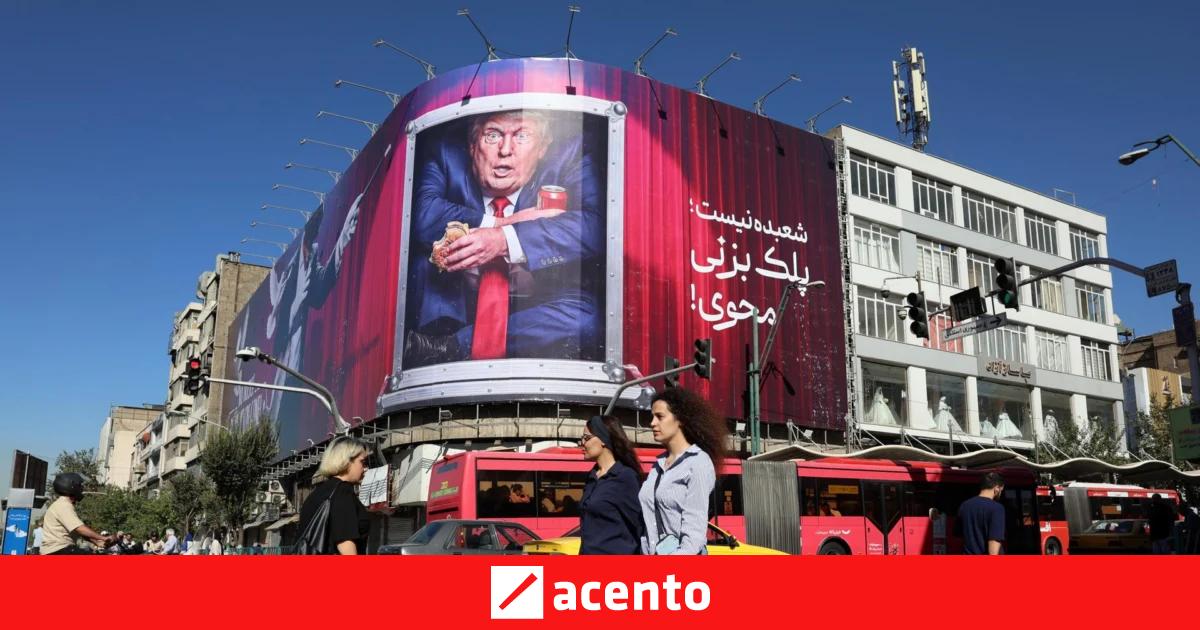
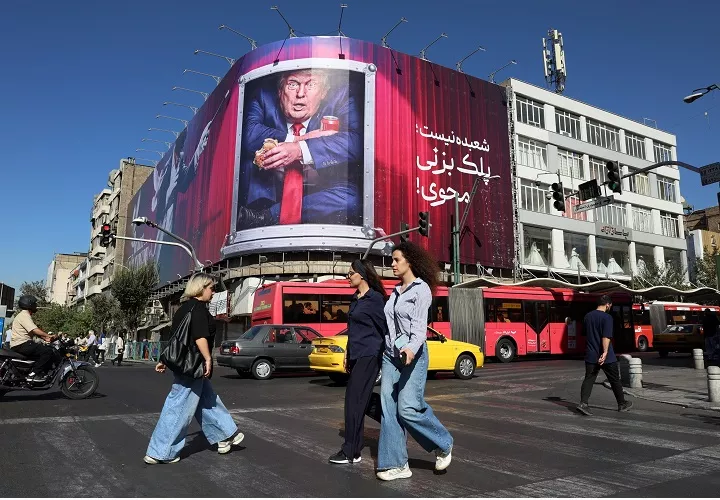
These intersect with Iran tensions: Trump's "very reasonable" nod to Iranian leaders (Korea Herald) and Iran's U.S. assault accusations (Rappler, Channel News Asia) frame Pakistan's hosting offer as timely. Gwadar enhances strategic depth, offering logistics buffers against Afghan instability—where repatriations resumed at Torkham (March 27)—and Middle East supply shocks. For locals in Gwadar, this means jobs (over 10,000 created) amid poverty; regionally, it counters India's Chabahar rival port.
Original insight: These tools humanize Pakistan's diplomacy. Fuel from Kuwait stabilizes prices for 240 million citizens, while Gwadar funnels Afghan minerals to global markets, fostering peace incentives.
Catalyst AI Market Prediction
The World Now's Catalyst AI engine forecasts market ripples from these tensions, emphasizing oil's surge amid Strait of Hormuz fears. For comprehensive risk assessments, consult the Global Risk Index:
| Asset | Prediction | Confidence | Key Causal Mechanism | Historical Precedent | Key Risk | |-------|------------|------------|----------------------|----------------------|----------| | OIL | + | High | Iran ops spike Hormuz disruption fears | 2003 Iraq prep: +20% in weeks | US limits ops | | USD | + | Medium | Safe-haven flows from US-Iran risks | 2019 Soleimani: DXY +1% intraday | De-escalation | | SPX | - | Medium | Risk-off from protests/Iran fears | 2020 BLM: -5% short-term | Peaceful protests | | EUR | - | Medium | USD strength pressures EUR/USD | 2019 tensions: -1% short-term | ECB hawkishness | | BTC | - | Medium | Risk-off liquidations | 2022 Ukraine: -10% in 48h | Safe-haven shift | | ETH | - | Medium | BTC-correlated selloff | 2022 Ukraine: -12% in 48h | Staking inflows | | SOL | - | Medium | High-beta crypto cascade | 2022 Ukraine: -10-15% in 48h | Whale dip-buying |
Predictions powered by The World Now Catalyst Engine. Track real-time AI predictions for 28+ assets.
(Word count so far: 1,456)
Original Analysis: The Economic-Geopolitical Nexus in Pakistan
Pakistan's genius lies in fusing economics with geopolitics, creating a nexus that buffers risks. Energy dependencies—importing 80% of needs—expose vulnerabilities, yet Kuwait's supplies and potential Iranian détente via hosted talks mitigate them. Gwadar, with its free trade zone, could handle $1 trillion in annual trade by 2030, per CPEC projections, drawing investors wary of Red Sea disruptions.
Critique reveals risks: Gulf reliance invites Saudi-Kuwaiti leverage, as seen in 2023's IMF bailout pressures. Supply chains remain fragile; a Hormuz blockade (high-confidence Catalyst risk) could spike oil 4-5%, inflating Pakistan's $30 billion import bill. Rewards, however, are profound: Domestic benefits include 2-3% GDP uplift from port ops, powering industries in energy-poor Khyber Pakhtunkhwa (KP), which leads anti-terror efforts (March 20 event).
Case study: Gwadar as a model emulates Dubai's Jebel Ali, which grew from desert port to logistics giant, boosting UAE GDP by 10%. Pakistan could replicate this, exporting Afghan lithium (estimated $3 trillion reserves) via Gwadar, stabilizing borders. Versus obligations: Debt to China ($30 billion CPEC loans) demands security, fueling Baloch insurgencies—yet recent milestones suggest viability.
Humanizing lens: Fishermen displaced by Gwadar now train as crane operators, embodying resilience. Amid EU dialogues, Pakistan counters U.S. isolationism, positioning as BRI hub. Nexus strength: Economic wins fund diplomacy, from jirgas to quadrilaterals, reshaping dynamics.
(Word count so far: 1,782)
Predictive Outlook: Future Scenarios for Pakistan's Geopolitical Path
By 2028, U.S.-Iran talks' outcomes will ripple through Pakistan's trajectory. Three scenarios, probabilistically assessed:
-
Stabilization Boom (45% likelihood): Successful mediation (e.g., Trump's "reasonable" signals) stabilizes energy markets. Oil dips post-Catalyst peak, boosting Pakistani refineries. Gwadar attracts $50 billion BRI investments, rerouting 10% Central Asian trade. Afghan peace (post-jirga) enables mineral exports; GDP grows 5% annually. Adaptation: Diversify to Qatar LNG.
-
Escalation Isolation (30% likelihood): Hormuz disruptions (high-confidence oil risk) halt Iranian supplies; Kuwait strains under Saudi pressure. Afghan instability (Torkham echoes) threatens Gwadar security. Markets tank (SPX/BTC -5-10%), isolating Pakistan. Adaptation: Pivot to Russia/China energy pacts, but debt balloons.
-
Balanced Diversification (25% likelihood): Partial de-escalation allows quad-backed talks progress. EU investments flow post-Costa talks; crypto dips (SOL/ETH) rebound as risk-off fades. Gwadar becomes neutral hub. Long-term: By 2030, BRI elevates Pakistan to trade pivot, akin to Singapore.
Trends favor the first: Recent naval drills with China (March 26) hedge risks. Watch 2028 elections for policy continuity.
(Word count so far: 2,056)
What This Means: Looking Ahead for Pakistan and Global Stability
These developments signal a pivotal shift where Pakistan's energy alliances and infrastructure prowess not only secure its own future but also influence broader regional stability. As Gwadar matures and fuel supplies stabilize, Pakistan stands ready to mediate high-stakes talks, potentially averting wider conflicts. Investors and policymakers should monitor Global Risk Index updates for real-time shifts in volatility.
Conclusion: Pakistan's Path Forward in a Volatile World
Pakistan's leverage—forged in energy alliances like Kuwait's fuel lifeline and Gwadar’s infrastructure milestones—redefines it as an economic diplomat. From February's Afghan alerts to March's mediation push, this nexus buffers volatility, humanizing geopolitics through jobs and stability.
Balanced policies are imperative: Invest port revenues in green energy to cut import risks; diversify beyond BRI via EU pacts. As a global bridge—linking Gulf oil, Chinese silk roads, and Afghan resources—Pakistan holds potential to stabilize Eurasia. Watch U.S.-Iran talks and Gwadar throughput; success here could herald a new era of proactive influence.
(Final