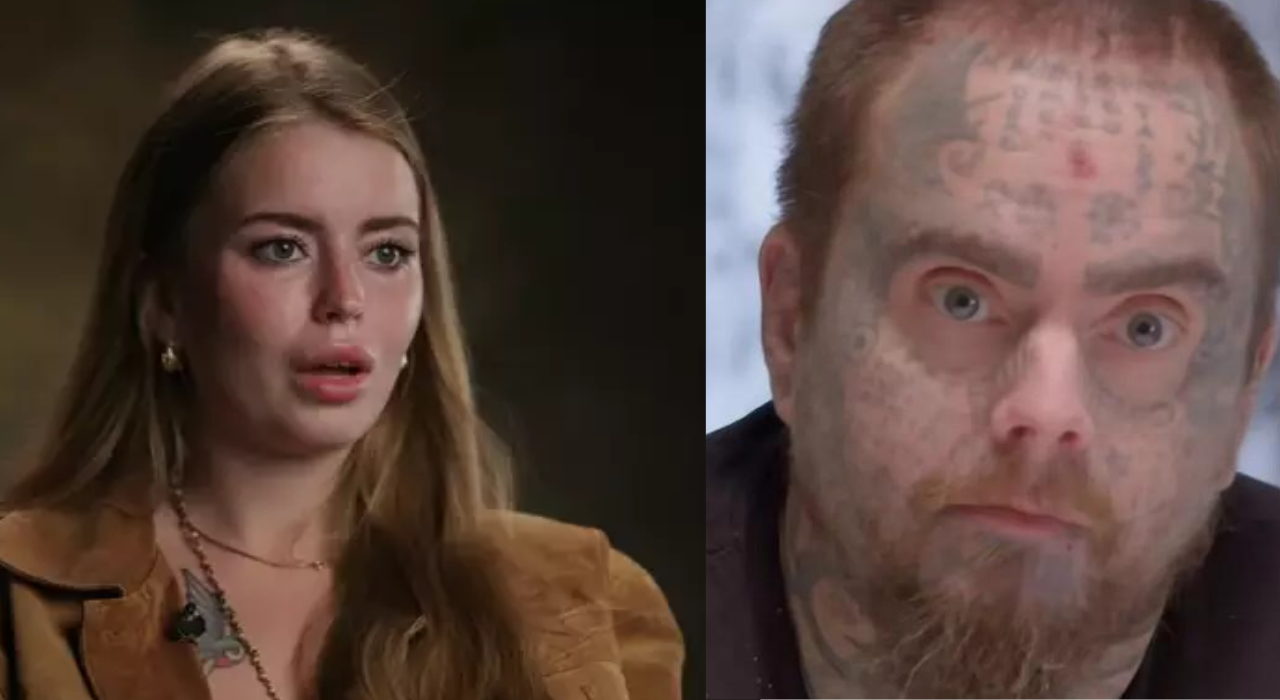

Daughter of Sweden's 'Skara Cannibal' Shares Story of Abuse, Love, and Severed Ties in Chilling Family Revelation
SKARA, Sweden — In a poignant and harrowing account, Jamie-Lee Arrow, the daughter of notorious Swedish killer Isakin Drabbad — known as the "Skara Cannibal" — has publicly discussed her complex love for her father despite his gruesome murder and cannibalization of her stepmother, Helle Christensen. Arrow's revelations, drawn from interviews and featured in the true-crime series Evil Lives Here: The Killer Speaks, highlight years of psychological abuse she endured as a child, a final desperate warning she issued before the crime, and her ultimate decision to cut ties while forging a path toward personal recovery.
The story resurfaced prominently on January 6, 2026, amid ongoing interest in Sweden's most shocking cannibalism cases, underscoring the lingering trauma within families affected by extreme violence. Arrow's narrative provides rare insight into the personal fallout of the infamous Skara case, which horrified the nation and drew international attention for its brutality.
Details of the Family's Dark Legacy
Isakin Drabbad earned the moniker "Skara Cannibal" after committing the unthinkable in the small western Swedish town of Skara, where he murdered his girlfriend, Helle Christensen, and consumed parts of her body. The crime, which occurred years prior, shocked Sweden's relatively low-crime society, where homicide rates have historically hovered around 1.1 per 100,000 people annually, according to Statistics Sweden data. Cannibalism cases remain exceedingly rare globally, making Drabbad's actions a stark anomaly even in Europe's progressive Nordic region.
Jamie-Lee Arrow, Drabbad's daughter from a previous relationship, has now broken her silence in detail through media appearances and the Investigation Discovery series Evil Lives Here: The Killer Speaks. She describes a childhood marred by severe psychological abuse at the hands of her father. "He would manipulate and torment," Arrow recounts in segments highlighted from the series, painting a picture of emotional control that left deep scars. This abuse, she explains, created a toxic bond that persisted into adulthood, complicating her feelings toward the man who would later kill her stepmother.
In a particularly chilling detail, Arrow revealed she issued a final warning to her father shortly before the murder. Sensing escalating tensions in his relationship with Christensen, she urged him to seek help or change course. Despite this intervention, the killing proceeded, leading to Drabbad's conviction and imprisonment. Swedish courts handed down a life sentence equivalent — in practice, a minimum of 18 years before parole consideration — reflecting the severity of the desecration involved.
Psychological Toll and Path to Resilience
Arrow's account emphasizes the duality of her emotions: a lingering love for her father rooted in shared history, juxtaposed against the horror of his actions. "I still love him, but I had to protect myself," she articulates, according to excerpts from the interviews. This confession has sparked discussions among psychologists and true-crime observers about the long-term effects of familial abuse and the challenges of breaking free from manipulative relationships.
Sweden, known for its robust social welfare system and emphasis on mental health, has seen increased focus on domestic violence and psychological trauma in recent years. The National Council for Crime Prevention (Brå) reports that emotional abuse affects thousands annually, often underreported due to its insidious nature. Arrow's story aligns with broader patterns, where victims of childhood manipulation struggle with loyalty to abusers even after heinous acts.
Following the murder, Arrow made the difficult choice to sever all contact with Drabbad. This decision, she says, was pivotal in rebuilding her life. Today, she portrays a picture of resilience, focusing on personal growth and stability. Her public sharing serves not only as catharsis but also as a cautionary tale, encouraging others in similar situations to prioritize self-preservation.
Background on the Skara Case and Swedish Crime Context
The Skara Cannibal case dates back to the early 2000s, though exact timelines have been revisited in recent documentaries. Skara, a quaint municipality of about 18,000 residents in Västra Götaland County, became synonymous with the tragedy, much like other small towns overshadowed by notorious crimes. Drabbad's acts defied Sweden's image as one of the world's safest countries, with homicide rates significantly lower than the European average.
Swedish authorities handled the investigation with forensic precision, confirming cannibalism through evidence that included human remains prepared for consumption. The case contributed to public discourse on mental health, as Drabbad's defense cited possible personality disorders, though the court prioritized the crime's gravity.
In the years since, true-crime media has kept the story alive, with series like Evil Lives Here humanizing the periphery figures — victims' families, in this instance — often overlooked in favor of the perpetrator.
Outlook: Healing Amid Public Scrutiny
Jamie-Lee Arrow's willingness to speak out marks a step toward closure for a family fractured by unimaginable violence. As Sweden continues to grapple with rising discussions on intimate partner violence — up 10% in reported cases from 2020 to 2023 per Brå statistics — her story resonates as a testament to survival.
While Drabbad remains incarcerated, Arrow's focus on resilience offers hope. Her narrative, though rooted in tragedy, underscores the human capacity for detachment and renewal, even in the shadow of one of Sweden's most grotesque crimes.
(Word count: 728)






