
Cyprus Drone Strike: How Everyday Tech Fuels Asymmetric Warfare
A drone strike on March 9, 2026, targeted a UK military base in Cyprus, with allegations that Hezbollah used Google Maps for precise targeting. This incident highlights the growing role of commercial technology in asymmetric warfare, raising critical concerns about cybersecurity and civilian privacy globally.
What's Happening
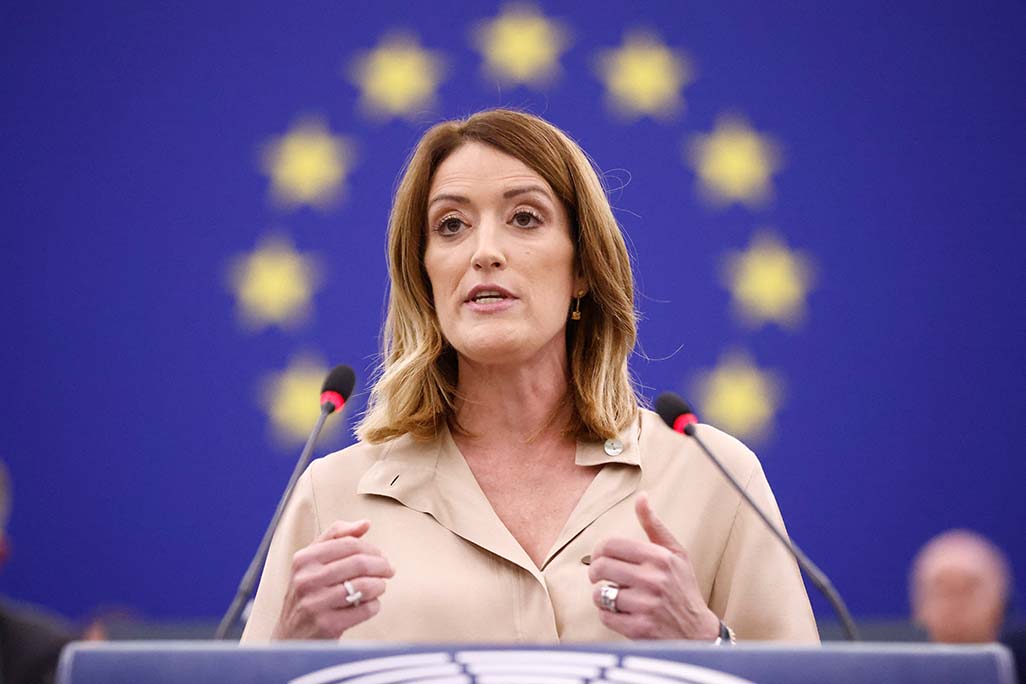
Confirmed reports indicate an Iranian drone struck the Akrotiri Royal Air Force base in Cyprus on March 9, following earlier attacks on March 1 and 2. Hezbollah operatives allegedly utilized Google Maps to obtain coordinates, allowing for accurate strikes despite the base's defenses. No casualties were reported, but infrastructure was damaged. International leaders, including European Parliament President Roberta Metsola and French President Emmanuel Macron, have expressed strong solidarity with Cyprus, emphasizing unified Western support against such aggressions.
Context and Background
This event escalates ongoing tensions that began with protests against US airstrikes in Venezuela on January 5, 2026. Tensions intensified on February 28 with global flight cancellations due to US-Israel actions against Iran. Cyprus, due to its strategic Mediterranean location and hosting of British military bases, has become a key target in Iran-Hezbollah proxy conflicts, marking a series of drone strikes in early March.
Why This Matters and Looking Ahead
The weaponization of everyday tools like Google Maps blurs the lines between civilian and military domains, democratizing precision warfare for non-state actors. This raises urgent ethical and cybersecurity issues, as open-source data exposes vulnerabilities and endangers global privacy. Looking ahead, expect increased EU and UK investments in counter-drone technologies and stricter mapping app regulations. Potential retaliatory strikes from the US and UK could escalate Middle East conflicts, while Cyprus may enhance AI defenses and NATO presence to prevent future incidents.
This is a developing story and will be updated as more information becomes available. (Word count: 612)







