
Conflict in Ukraine: UN Calls for Action as Attacks Intensify
In the ongoing conflict in Ukraine, the UN Deputy Relief Chief has urged the Security Council to take immediate action to protect civilians as attacks intensify across the country.[3] This call comes amid reports of escalating violence, significant Russian military losses, rising internal tensions within Ukraine, and innovative defensive measures on the front lines. Ukraine's military has reported thwarting Russian advances while grappling with war fatigue evidenced by a sharp increase in attacks on draft officers.[1][2][4]
UN Deputy Relief Chief Urges Security Council to Act
The humanitarian situation in Ukraine has reached a critical juncture, prompting a direct appeal from the United Nations. Joyce Msuya, the UN Deputy Relief Chief and Assistant Secretary-General for Humanitarian Affairs, addressed the Security Council on the worsening conditions.[3] Her statement emphasized the urgent need for international intervention to safeguard Ukraine's people amid intensifying attacks. This plea underscores the growing threats to civilian life and infrastructure, as Russian forces continue their operations, leading to heightened risks for non-combatants.
Msuya's remarks highlight the broader context of the conflict in Ukraine, where daily assaults have compounded the humanitarian crisis. The UN's involvement through the Office for the Coordination of Humanitarian Affairs (OCHA) includes delivering aid, such as in regions like Kherson, where relief efforts persist despite dangers.[3] The intensification of attacks has strained resources and endangered aid workers, making protection mechanisms a priority. This call aligns with ongoing patterns of violence that have persisted, drawing global attention to the need for diplomatic and protective measures from the Security Council.
The Deputy Relief Chief's address on April 20, 2026, at 6:14 p.m., serves as a formal reminder of the international community's responsibilities. It reflects the UN's consistent monitoring of the conflict, where attacks not only target military positions but also impact civilian areas, exacerbating displacement and suffering.[3] As the conflict in Ukraine enters another phase of escalation, such appeals aim to mobilize support for safe access to aid and robust safeguards for vulnerable populations.
Overview of Escalating Attacks and Humanitarian Concerns
The intensification of attacks in the conflict in Ukraine has prompted the UN Deputy Relief Chief to urge the Security Council for protective action.[3] This overview captures the humanitarian dimensions, where civilian protection has become paramount amid relentless military engagements. Joyce Msuya's statement to the Council details the deteriorating situation, emphasizing that attacks are not only increasing in frequency but also in their impact on non-military targets.[3]
OCHA's efforts, including aid delivery in areas like Kherson, illustrate the challenges faced by humanitarian operations.[3] The UN's reporting points to a pattern where intensified Russian offensives have led to greater risks for civilians, infrastructure, and relief workers. Msuya's call is grounded in real-time assessments, noting that the scale of violence demands immediate international response to prevent further casualties and displacement.
This escalation provides critical context for the ongoing conflict in Ukraine, where military actions intersect with humanitarian needs. The Security Council's role is pivotal, as protective resolutions could facilitate safer aid corridors and deterrence against indiscriminate attacks.[3] The UN's advocacy reflects a comprehensive view of the crisis, balancing military developments with the human cost, and urging member states to prioritize civilian safety in their deliberations.
{IMAGE_2}
Rising Internal Tensions and War Fatigue
Attacks on Ukraine's military draft officers have surged dramatically, signaling deepening war fatigue among the population.[1] According to reports, these assaults almost tripled to 341 last year compared to 2024, with over 100 incidents recorded so far this year.[1] This sharp increase points to growing internal strains as the conflict in Ukraine prolongs, affecting recruitment efforts and societal cohesion.
The Japan Times coverage details how assaults on military recruiters have become a barometer for public sentiment.[1] What began as sporadic incidents has evolved into a notable trend, with the tripling in numbers last year and continued momentum this year. This rise is attributed to war fatigue, where prolonged fighting has led to resistance against conscription, manifesting in physical attacks on those enforcing the draft.
These events highlight broader challenges within Ukraine's mobilization strategy. Recruiters face heightened dangers in carrying out their duties, which could impact the military's ability to replenish forces.[1] The data—341 attacks last year versus far fewer in 2024, plus over 100 this year—paints a picture of escalating domestic tensions. As the conflict persists, such indicators suggest that sustaining troop levels amid public exhaustion is increasingly difficult, potentially influencing the pace of operations on the front lines.
Recent Russian Military Losses
Ukraine's General Staff has reported substantial Russian casualties and equipment losses over the past day, underscoring the intensity of engagements.[2] Specifically, Russia suffered 1,040 soldiers killed and wounded, alongside the destruction of 82 artillery systems.[2] These figures, updated by Ukrainska Pravda, reflect the toll of recent operations on Russian forces.
The daily loss tally of 1,040 personnel represents a significant drain on Moscow's manpower reserves.[2] Coupled with 82 artillery systems neutralized, this hampers Russia's capacity for sustained artillery barrages, a key component of their tactics. Ukraine's General Staff compiles these statistics methodically, drawing from battlefield intelligence to quantify enemy setbacks.
In the context of the broader conflict, such losses accumulate over time, straining Russian logistics and morale. The precision of these reports—focusing on both human and material costs—provides a snapshot of the attritional nature of fighting.[2] As Ukraine counters advances, these numbers illustrate the effectiveness of defensive measures in inflicting high costs on the aggressor.
Front-Line Developments in Donetsk Oblast
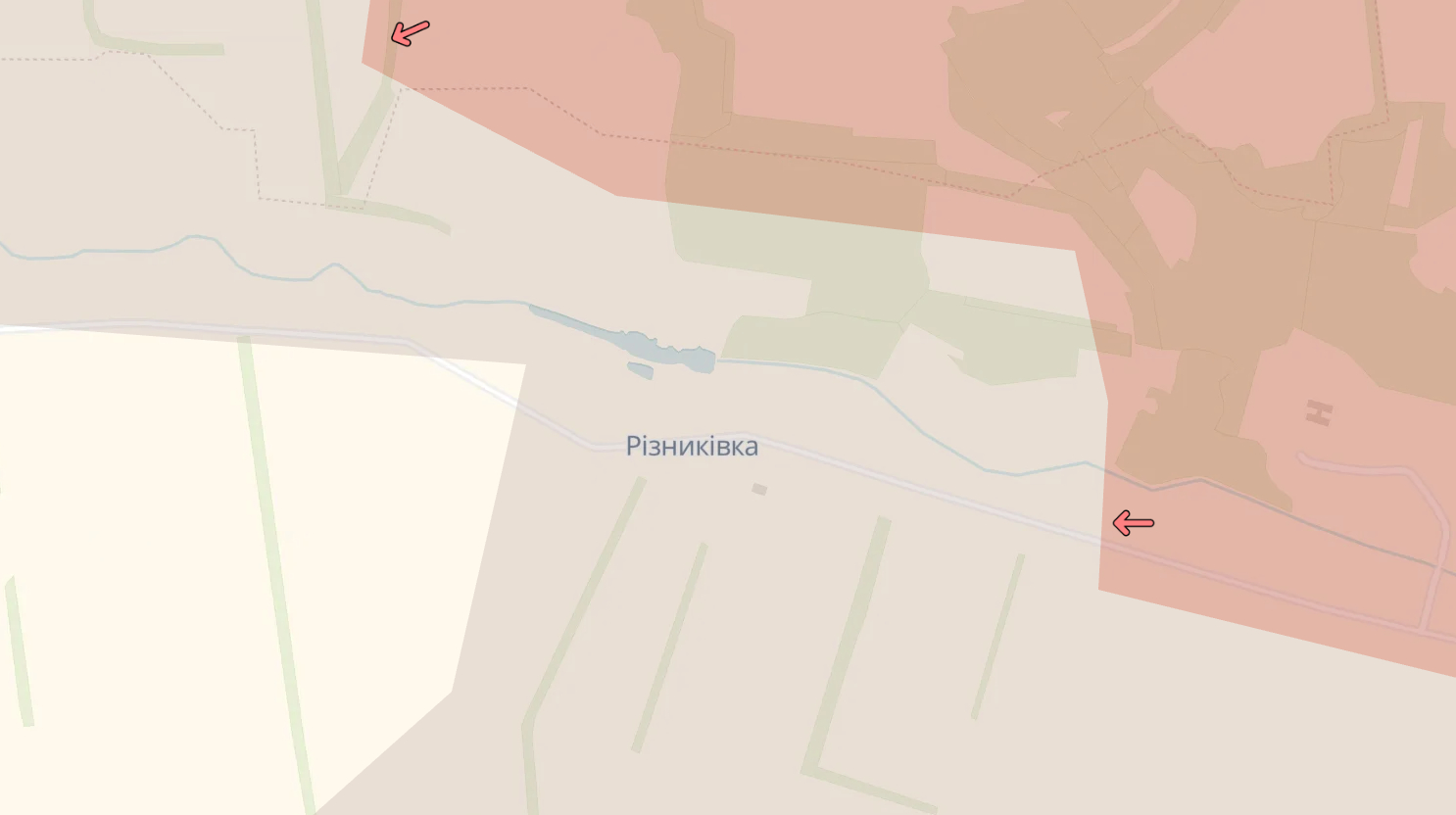
Russian forces are intensifying efforts to entrench in Hryshyne, located in the Pokrovsk agglomeration of Donetsk Oblast, but Ukrainian defenses are effectively countering these moves.[4] Reports indicate that Moscow's troops have ramped up pressure, attempting to establish positions in the settlement's center and northern areas.[4] However, Ukraine's forces are thwarting these assaults and targeting enemy clusters.
Ukrainska Pravda details how Russian attempts to dig in are being met with resolute resistance.[4] The focus on Hryshyne exemplifies broader dynamics in Donetsk, where incremental gains are contested fiercely. Ukrainian strikes on troop concentrations prevent consolidation, maintaining defensive lines.
These developments highlight the grinding nature of positional warfare in the region. Russian pressure tests Ukrainian resolve, yet successful thwarting preserves key terrain.[4] As part of the Pokrovsk sector, Hryshyne's status remains fluid, with Ukraine leveraging local advantages to repel incursions.
{IMAGE_3}
Ukraine's Technological Defense Strategies
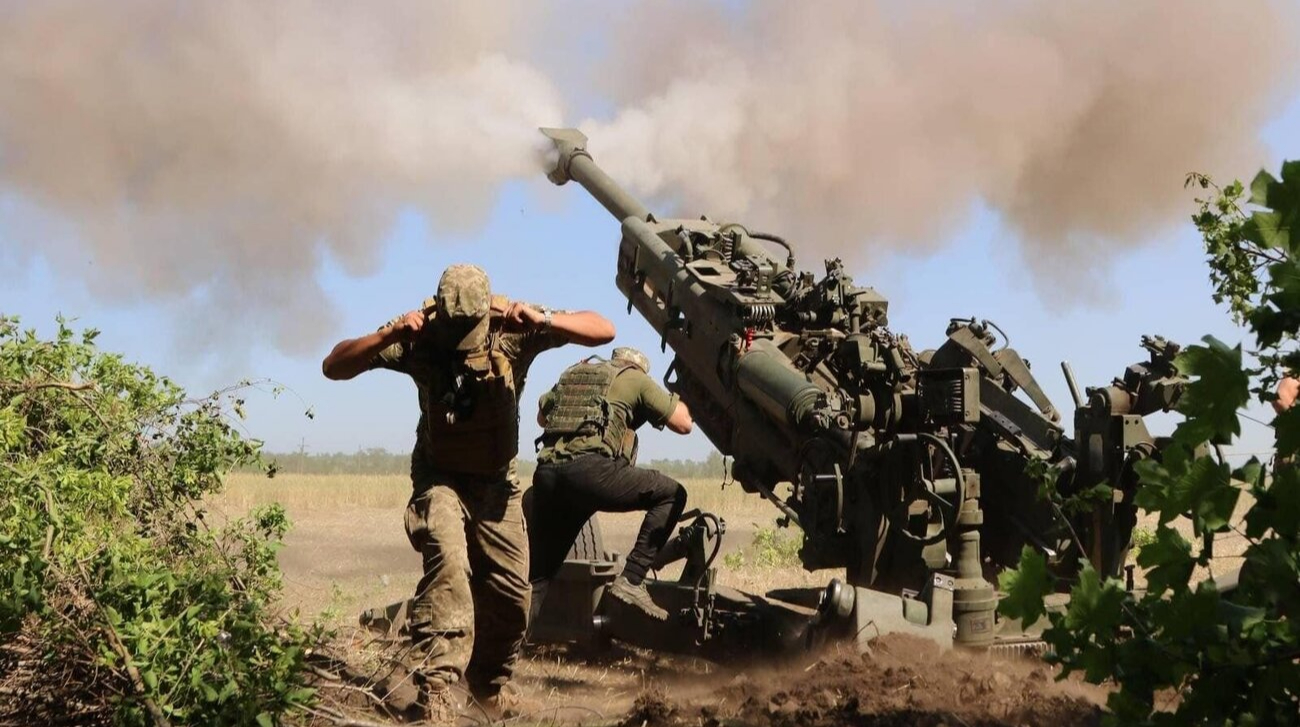
Ukraine is employing drones, robots, and precision fire to counter Russian advances, producing millions of these systems to strike behind enemy lines and preserve its troops.[5] This approach, detailed by the Times of India, showcases the country's innovative defense industry defying a numerically superior foe.[5]
The production of millions of drones, long-range missiles, and robotic systems enables deep strikes, minimizing exposure of ground forces.[5] Precision fire complements these tools, allowing targeted engagements that disrupt Russian logistics and command structures. This technological shift represents a new model of resistance, where innovation offsets disparities in conventional forces.
Ukraine's resilience stems from scaling up domestic manufacturing, ensuring a steady supply of advanced weaponry.[5] Drones and robots extend reach into enemy rear areas, while precision munitions enhance lethality without risking soldiers. This strategy not only thwarts juggernauts but also sustains prolonged defense, demonstrating adaptability in the conflict.
Integrating Key Front-Line and Humanitarian Insights
Drawing from multiple reports, the interplay of military losses, technological counters, and humanitarian appeals paints a multifaceted picture of the conflict in Ukraine. Russian casualties exceeding 1,000 in a single day, combined with Ukrainian drone offensives, illustrate a battlefield where innovation meets attrition.[2][5] Meanwhile, internal war fatigue via draft attacks adds pressure on Kyiv's home front.[1]
These elements converge in areas like Donetsk, where thwarting entrenchments in Hryshyne prevents breakthroughs.[4] The UN's urgent call amplifies the need for protection amid such dynamics.[3] This synthesis reveals how tactical successes coexist with societal strains, shaping the conflict's trajectory.
What to watch next: Monitor Security Council responses to the UN Deputy Relief Chief's appeal for civilian protection, alongside updates on Russian losses and Ukrainian technological deployments, as these could influence front-line momentum in Donetsk and recruitment challenges.[2][3][4][5]