
Strike in Ukraine Kills Worker at Zaporizhzhia Nuclear Plant
A worker at the Zaporizhzhia nuclear plant was killed in a Ukrainian drone attack, according to Russian-installed management.[4][5] This incident occurred amid a series of cross-border strikes between Ukraine and Russia, with both sides reporting actions against military and infrastructure targets.[3] The strike Ukraine targeted the facility, which is under Russian control, highlighting escalating tensions in the region.[1][3]
Zaporizhzhia Nuclear Plant Worker Killed
The death of a worker at the Zaporizhzhia nuclear power plant has drawn significant attention as part of recent military exchanges. According to management installed by Russia at the captured facility, a Ukrainian drone attack resulted in the fatality of one employee.[4][5] This report from the Russian-installed administration specifies that the strike Ukraine carried out directly impacted the power plant, leading to the loss of life.[3][4]
Details from the management indicate that the worker was a power plant employee killed during the drone attack.[3][5] The Zaporizhzhia nuclear power plant, located in an area under Russian control, has been a focal point in the ongoing conflict, with both sides accusing each other of endangering critical infrastructure.[4] The Russian-installed managers emphasized the Ukrainian origin of the attack, framing it as a direct assault on the facility's operations.[5]
This event underscores the risks to personnel at nuclear sites amid active hostilities. Reports confirm the worker's death occurred specifically in the context of a drone strike attributed to Ukrainian forces.[4][5] The management’s statement serves as the primary account of the incident, noting the precision and impact of the drone on the plant's premises.[3] Such occurrences raise concerns about safety protocols at nuclear installations during wartime, though official responses from Ukrainian sources on this specific claim were not detailed in available reports.[4]
Further context from Russian reports links this strike to broader patterns of Ukrainian actions against Russian-held assets.[3] The power plant employee's death is listed among casualties from cross-border activities, illustrating the human cost at strategic locations.[3][5] Management at the plant has publicly attributed the attack to Ukraine, calling attention to the vulnerability of the site.[4] This incident fits into a sequence of strikes where Ukraine has targeted various Russian positions, including radar systems and refineries elsewhere.[1][2]
The Russian-installed oversight at Zaporizhzhia provides the key narrative on the worker's death, with consistent reporting across outlets confirming the drone attack's role.[5] No additional casualties at the plant were mentioned, focusing solely on the one fatality.[4] This event contributes to the tally of losses reported by Russia in recent exchanges.[3]
Overview of Ukrainian Strikes on Russian Targets
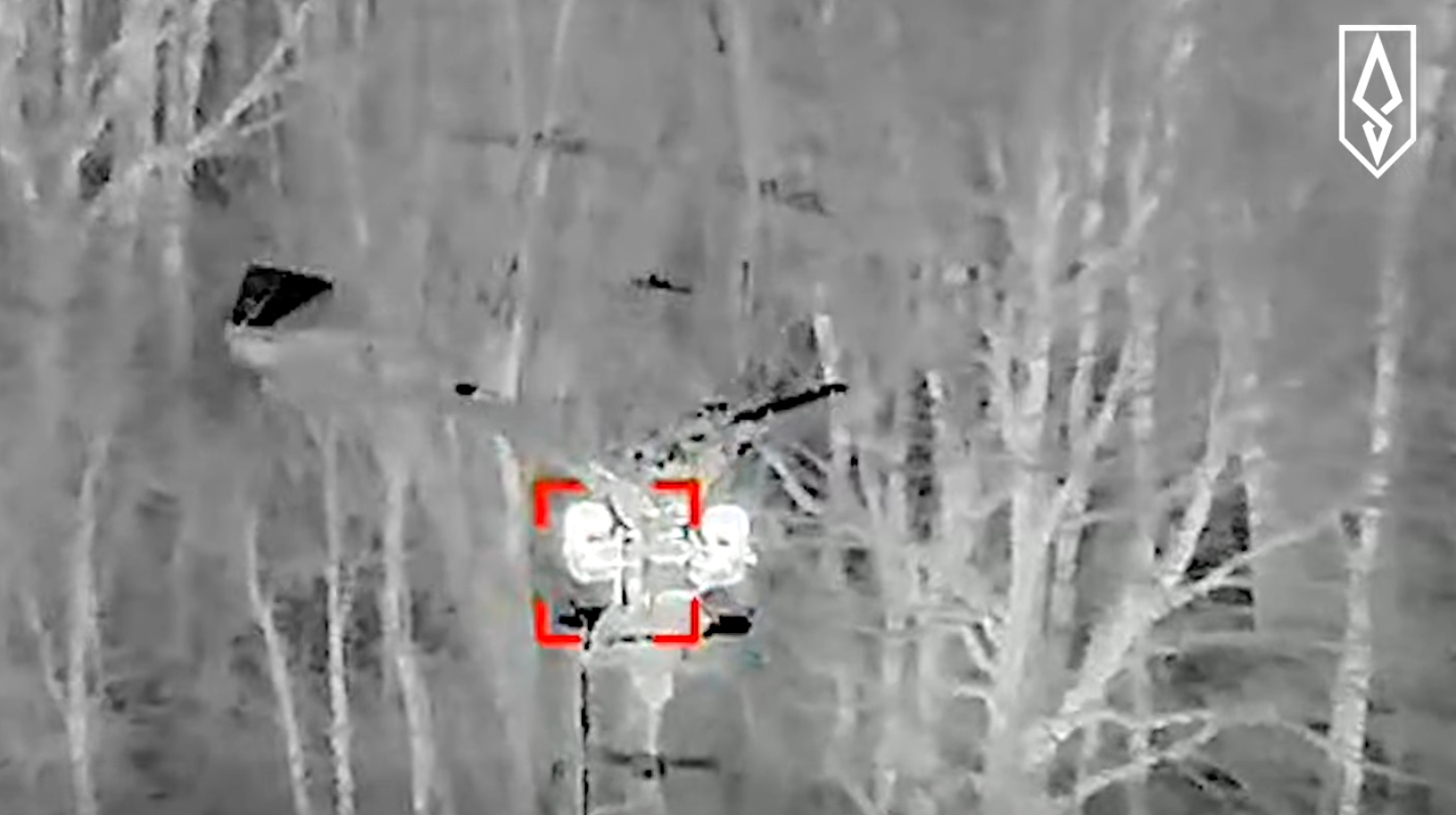
Ukrainian forces have conducted targeted strikes against Russian military and industrial assets, as detailed in recent operational updates. One notable action involved fighters from the Achilles unit of Ukraine's 429th Brigade using a drone to hit a Russian Kasta-2E radar system in Russia's Belgorod Oblast.[1] The radar was struck approximately 80 km from Ukraine's state border, demonstrating the reach of Ukrainian drone capabilities into Russian territory.[1]
This strike on the Kasta radar highlights Ukraine's focus on disrupting Russian surveillance and air defense systems.[1] The involvement of the 429th Brigade's Achilles unit underscores specialized drone operations aimed at high-value targets deep within Belgorod Oblast.[1] The distance of 80 km from the border indicates the strategic depth of the operation, targeting assets critical for Russian monitoring of Ukrainian movements.[1]
In parallel, Ukraine's General Staff has provided clarification on the results of strikes against Russian oil refineries located in the cities of Tuapse and Yaroslavl.[2] These facilities represent key components of Russia's energy infrastructure, and the strikes were part of a broader campaign against economic and logistical support for military efforts.[2] The General Staff's statement addresses the outcomes of these attacks, offering official Ukrainian assessment of damage inflicted.[2]
The refinery strikes in Tuapse, on the Black Sea coast, and Yaroslavl, further inland, reflect a pattern of targeting Russia's fuel production capacity.[2] Ukraine's military leadership has taken the step to publicly outline the impacts, which may include disruptions to refining operations essential for sustaining Russian forces.[2] Combined with the radar strike, these actions illustrate a multi-front approach by Ukrainian forces, employing drones for precision hits on both military hardware and industrial sites.[1][2]
Reports from Ukrainian sources emphasize the success of these operations in challenging Russian defenses at extended ranges.[1] The Kasta-2E radar, known for its role in early warning, was specifically neutralized about 80 km inside Russian territory, potentially creating gaps in coverage.[1] Similarly, the refinery clarifications from the General Staff provide transparency on how these strikes affect Russia's wartime logistics.[2] These developments are part of ongoing Ukrainian initiatives to degrade Russian capabilities across various oblasts.[1][2]
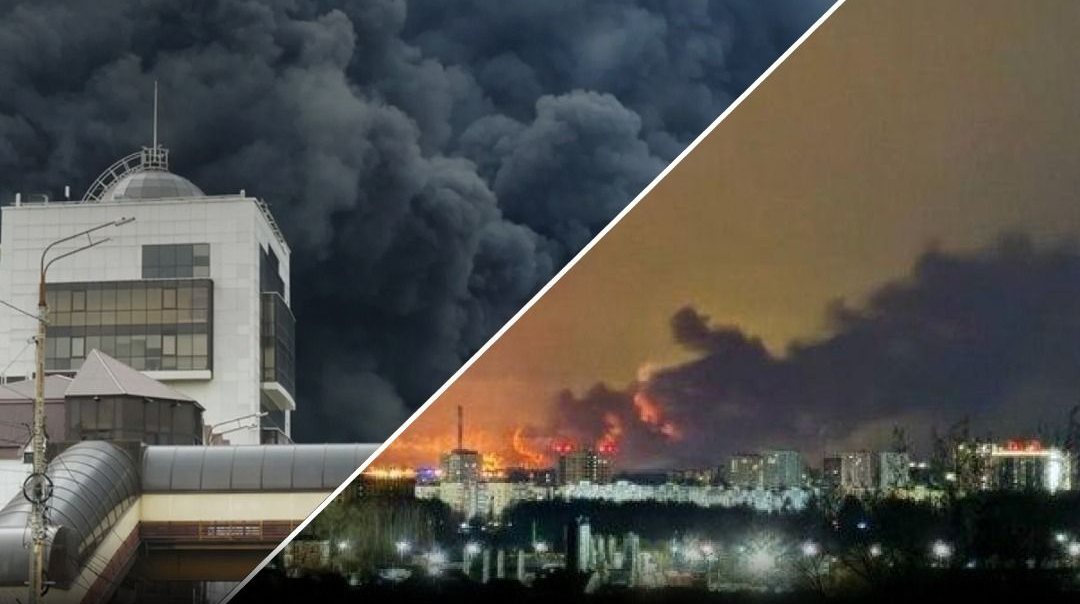
Ukrainian strikes damage Russian oil refineries in Tuapse and Yaroslavl. — Source: ukrainskapravda
Russian Responses and Counter-Attacks
Russia has responded to Ukrainian strikes with its own military actions and territorial claims. Reports indicate that Russia carried out attacks on Odesa, a key Ukrainian port city, amid the exchange of strikes.[4] This counter-action follows Ukrainian operations against Russian targets, signaling a tit-for-tat escalation.[3][4]
Additionally, Moscow has claimed control of two settlements as Ukrainian and Russian forces trade deadly strikes.[3] This assertion comes in the context of ongoing hostilities, where Russia reports advances despite cross-border attacks.[3] The control of these two locations is presented by Russian sources as a gain amid the intensified exchanges.[3]
The attack on Odesa aligns with Russia's pattern of targeting Ukrainian infrastructure and urban areas in response to strikes on its own assets.[4] Russian claims regarding the Zaporizhzhia nuclear plant strike further frame Ukrainian actions as provocative, justifying retaliatory measures.[4] Management at the plant, installed by Russia, has highlighted the drone attack's severity, tying it to broader Russian narratives of Ukrainian aggression.[4]
Russia's reporting on these responses includes emphasis on maintaining territorial positions, with the two settlements cited as recent achievements.[3] This comes alongside reports of casualties and infrastructure issues, positioning Russian actions as defensive.[3] The Odesa strikes, in particular, demonstrate Russia's use of long-range capabilities to hit back at Ukrainian territory.[4]
Overall, Russian statements integrate counter-attacks like those on Odesa with claims of operational successes, such as settlement control, to counter Ukrainian advances.[3][4] These responses are embedded in a cycle of mutual accusations and military engagements.[3]
Reported Casualties from Cross-Border Incidents
Cross-border attacks have resulted in casualties reported by both Russia and Ukraine. Russia has reported two deaths from these incidents, while Ukraine has stated that 14 people were injured.[3] These figures reflect the human toll from the continuing exchanges along the border regions.[3]
Among the Russian-reported deaths is the power plant employee killed in a drone attack at Zaporizhzhia.[3][5] This fatality is specifically tied to the strike on the nuclear facility, as confirmed by Russian-installed management.[3][4] The second death is part of the broader cross-border context, though specifics are aggregated in reports.[3]
Ukraine's casualty figures focus on injuries, with 14 individuals affected by Russian actions.[3] These injuries stem from the ongoing attacks, including those on areas like Odesa.[3][4] The discrepancy in reporting—deaths versus injuries—highlights differing emphases from each side on the impacts of the strikes.[3]
The Zaporizhzhia worker's death stands out as a confirmed loss in Russian accounts, directly linked to a Ukrainian drone.[3][5] This incident contributes to the total of two deaths claimed by Russia.[3] Ukrainian reports, conversely, quantify harm from Russian cross-border activities in terms of injuries sustained.[3]
These casualty reports provide a snapshot of the exchanges' intensity, with both sides documenting losses to support their narratives.[3] The power plant death, in particular, is repeatedly cited in connection with infrastructure vulnerabilities.[3][5]
{IMAGE_3}
Impact on Critical Infrastructure
Strikes have affected key facilities, including oil refineries and nuclear plants. Ukraine's General Staff clarified the results of attacks on refineries in Tuapse and Yaroslavl, indicating assessments of damage to these energy hubs.[2] Oil spills have been reported on both sides of the Black Sea, linked to the refinery incidents.[3]
At the Zaporizhzhia nuclear power plant, the drone attack resulted in a worker's death, as stated by management.[5] This strike Ukraine executed impacted operations at the captured facility, raising questions about safety at nuclear sites.[4][5]
The refinery strikes in Tuapse, near the Black Sea, align with reports of oil spills affecting maritime areas.[2][3] Yaroslavl's facility, further from the coast, was also targeted, with Ukraine providing official clarification on outcomes.[2] These actions aim to disrupt Russia's fuel supply chain.[2]
The nuclear plant incident demonstrates risks to personnel and potential hazards at power generation sites.[3][5] Russian-installed management detailed the worker's death from the drone strike, noting direct hits on the premises.[4][5]
Oil spills reported across the Black Sea add an environmental dimension to the infrastructure impacts.[3] Combined, these effects on refineries and the nuclear plant illustrate the strikes' reach into critical sectors.[2][3][5]
Broader Context of Ongoing Conflicts
The recent strikes fit into a pattern of sustained military exchanges between Ukraine and Russia.[1][3] Ukrainian actions, such as the radar strike in Belgorod Oblast 80 km from the border, demonstrate operational depth.[1] Russia's responses, including Odesa attacks and claims of settlement control, reflect reciprocal escalation.[3][4]
Cross-border incidents continue with reported casualties and infrastructure effects.[3] The Zaporizhzhia drone attack, killing a worker, exemplifies the risks at strategic sites.[3][5] Oil refinery clarifications by Ukraine's General Staff further contextualize efforts against Russian logistics.[2]
These events occur amid deadly strikes traded by both sides, with Russia noting two deaths and Ukraine 14 injuries.[3] Moscow's control claims over two settlements provide a territorial angle to the conflicts.[3]
The involvement of specialized units like Achilles in radar strikes shows tactical evolution.[1] Overall, the exchanges maintain a cycle of actions targeting military, energy, and occupied assets.[1][3]
What to watch next
Monitor Russian claims of control over the two settlements and further clarifications from Ukraine's General Staff on refinery strikes, as both sides continue trading attacks amid reports of casualties and infrastructure impacts.[3][2]