War in Ukraine: Russia Reports 960 Soldier Losses in a Single Day
Russia has lost 960 soldiers and 76 artillery systems over the past day, bringing its total personnel losses to 1,325,650 as of 26 April 2026.[3] These figures, reported by Ukraine's General Staff, underscore the intensifying attrition in the war Ukraine conflict, where daily casualties continue to mount amid ongoing military engagements.
Key Developments in the War Ukraine
The war Ukraine remains marked by a series of critical developments that highlight both military pressures and diplomatic tensions. Ukrainian President Volodymyr Zelensky has accused Russia of nuclear terrorism, a serious charge leveled amid concerns over the conflict's impact on critical infrastructure.[2] In a related international dimension, Russia has expressed thanks to North Korea, signaling deepening alliances that complicate the geopolitical landscape of the war Ukraine.[2]
Recruitment strategies on the Russian side have evolved, with Central Asians increasingly drawn into the fray. What began as reports of forced recruitment has shifted toward economic incentives, raising questions about whether Russia's war Ukraine efforts are intertwining with the migrant labor economy prevalent among Central Asian workers.[1] This change reflects broader efforts to sustain manpower amid heavy losses.
Efforts to resolve the conflict face significant hurdles, as noted by observers close to the situation. A former adviser has indicated that Russian President Vladimir Putin is continuing to block initiatives aimed at ending the war Ukraine, even as humanitarian gestures like a recent prisoner swap occur.[4] These swaps are viewed positively on humanitarian grounds but do not indicate any movement toward resolution.[4]
Adding to the precarious dynamics are the conditions at Ukraine's nuclear facilities. A reporter's notebook provides firsthand insight into the ongoing situation at these plants during the war Ukraine, where operations persist under the shadow of conflict.[5] These elements collectively paint a picture of a protracted struggle with high stakes across military, diplomatic, and infrastructural fronts.
Recent Military Losses
Russia's military has sustained substantial losses in recent operations, with Ukraine's General Staff reporting 960 soldiers killed or incapacitated and 76 artillery systems destroyed or disabled over the past day.[3] This daily toll contributes to a cumulative figure of 1,325,650 personnel losses as of 26 April 2026, a milestone that illustrates the scale and persistence of attrition in the war Ukraine.[3]
These numbers reflect the intensity of frontline engagements, where Russian forces continue to face significant equipment degradation alongside human costs. Artillery systems, critical for supporting infantry advances and defensive positions, represent a key capability that has been repeatedly targeted. The loss of 76 such systems in a single day points to effective Ukrainian counter-battery fire and precision strikes, diminishing Russia's ability to maintain fire superiority in contested areas.[3]
The total personnel losses approaching 1.33 million underscore a grinding war of attrition. Over the course of the conflict, these figures have accumulated through a combination of direct combat, artillery duels, drone strikes, and other tactical actions. Each day's report builds on the previous, indicating no respite in the pace of operations. For context, the recent 960-soldier loss aligns with patterns observed in prior updates, where daily casualties often hover in the high hundreds, straining Russian recruitment and replacement efforts.[3]
This data from Ukraine's General Staff serves as a primary indicator of the war Ukraine's human cost on one side. While verification of exact figures remains challenging in active combat zones, the consistent reporting provides a window into the operational tempo. The emphasis on artillery losses further highlights vulnerabilities in Russia's material reserves, as replenishing such specialized equipment requires substantial industrial output and logistics under sanctions.[3] These developments suggest that sustained pressure could impact Russian offensive momentum, though the conflict shows no signs of abating.
Accusations and International Alliances

Russian President Vladimir Putin meets North Korean leader Kim Jong-un. — Source: gdelt
Ukrainian President Volodymyr Zelensky has directly accused Moscow of nuclear terrorism in the context of the ongoing war Ukraine, a grave allegation that elevates concerns about the conflict's potential escalation.[2] This statement, reported on 26 April 2026, frames Russian actions as deliberately endangering nuclear safety, possibly in reference to operations near or involving Ukraine's atomic facilities.[2]
Compounding the tensions, Russia has publicly expressed thanks to North Korea amid the war Ukraine, hinting at collaborative support that bolsters Moscow's position.[2] This acknowledgment underscores emerging international alignments, where Pyongyang's involvement—whether through munitions, technology, or other aid—serves as a counterweight to Western assistance for Ukraine. Such partnerships expand the conflict's scope beyond Europe, drawing in actors with their own strategic interests.
Zelensky's accusation of nuclear terrorism carries weight given the proximity of fighting to Ukraine's six operational nuclear power plants, which generate over half the country's electricity. Any perceived threats to these sites risk catastrophic consequences, prompting international monitoring by bodies like the International Atomic Energy Agency. Russia's response, including gratitude toward North Korea, may signal confidence in its alliances amid these pressures.[2]
These elements illustrate the diplomatic fault lines in the war Ukraine. Accusations from Kyiv aim to galvanize global support and isolate Russia, while Moscow's overtures to Pyongyang reflect efforts to diversify supply chains strained by isolation. The timing of these reports on 26 April 2026 aligns with heightened rhetoric, potentially tied to recent military setbacks or infrastructural incidents.[2] Overall, this interplay of claims and alliances complicates pathways to de-escalation.
Recruitment of Central Asians
The involvement of Central Asians in the Russia-Ukraine war has transitioned from patterns of forced recruitment to economic incentives, as detailed in analyses of Russia's manpower strategies.[1] This shift marks a pragmatic adaptation, leveraging the large migrant labor population from countries like Uzbekistan, Tajikistan, and Kyrgyzstan who work in Russia.
Initially, reports highlighted coercive measures to enlist Central Asians, often targeting migrant workers with limited legal recourse. However, recent trends emphasize financial lures, such as high salaries, signing bonuses, and promises of citizenship or residency benefits.[1] This economic recruitment taps into the migrant labor economy, where millions of Central Asians fill low-wage jobs in construction, services, and industry, making them a readily accessible pool for military needs.
The Diplomat's examination poses a poignant question: Has Russia’s war become an extension of the migrant labor economy for Central Asians?[1] This framing suggests that enlistment contracts mirror labor migration deals, with war service positioned as a pathway to economic stability. Payments reportedly exceed standard wages, attracting individuals facing unemployment or debt at home, though risks of death or injury loom large.
This recruitment evolution addresses Russia's personnel shortages amid high losses, like the recent 960 soldiers reported.[3] Central Asians now form a notable contingent in Russian units, deployed to high-risk areas. The change from force to incentives may reduce immediate backlash but raises long-term issues, including societal strains in Central Asia and potential diplomatic friction with those governments.[1]
In the broader war Ukraine context, this strategy sustains Russian numbers without full mobilization at home. However, it introduces cultural and linguistic barriers, potentially affecting unit cohesion. The intertwining of war with migrant economics highlights the conflict's far-reaching socioeconomic ripples.[1]
Status of Ukraine's Nuclear Facilities
{IMAGE_3}
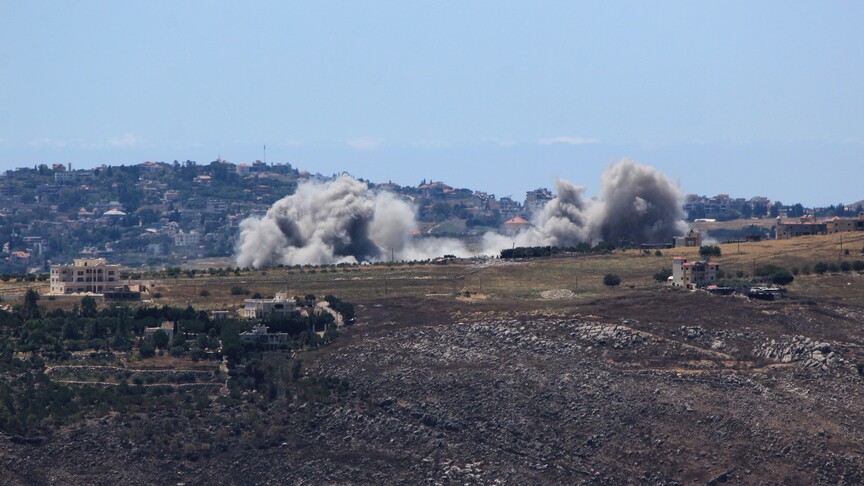
A reporter’s notebook offers a detailed look inside Ukraine’s nuclear plants at war, capturing the tense operational environment amid the conflict.[5] These facilities, including major sites like Zaporizhzhia and Rivne, continue functioning despite the surrounding hostilities, with staff managing safety protocols under extraordinary pressures.
The Kyiv Independent's account emphasizes the "inside" perspective, detailing daily challenges such as power fluctuations, security threats, and maintenance hurdles.[5] Nuclear plants require uninterrupted cooling, monitoring, and fuel handling, all complicated by blackouts, shelling risks, and restricted access. The notebook likely chronicles how engineers and technicians adapt, ensuring no meltdowns despite the war Ukraine's disruptions.
This reporting aligns with Zelensky's accusations of nuclear terrorism, suggesting Russian actions heighten risks at these sites.[2] Ukraine's nuclear infrastructure, inherited from Soviet times, remains vital for energy independence, powering cities and industry even as grids suffer damage.
The ongoing situation underscores global concerns, with IAEA teams present at key plants to verify compliance. The reporter's insights humanize the stakes, portraying workers navigating militarized zones to prevent accidents that could rival Chernobyl.[5] In the war Ukraine, these facilities symbolize resilience but also vulnerability, where any incident could prompt international intervention.
Obstacles to Conflict Resolution
Efforts to end the war Ukraine encounter persistent blocks from Russian President Vladimir Putin, according to Dan Rice, a former special adviser to Ukraine's commander in chief and current president of American University Kyiv.[4] Speaking to Newsmax, Rice highlighted how Putin continues to obstruct peace initiatives, maintaining aggressive postures despite opportunities for dialogue.
A recent prisoner swap exemplifies this dynamic: welcomed on humanitarian grounds for reuniting families and alleviating suffering, it does not signal the war's conclusion.[4] Such exchanges provide temporary relief but fail to address core territorial, security, and political demands separating the parties.
Rice's assessment, delivered on a Saturday prior to 26 April 2026 reports, reflects insider knowledge of negotiation attempts. Putin's strategy appears to prioritize maximalist goals, rejecting compromises that might preserve Ukrainian sovereignty.[4] This stance prolongs the conflict, contributing to casualties like the 960 Russian soldiers lost that day.[3]
These obstacles manifest in stalled talks, mismatched proposals, and military escalations. Prisoner swaps, while positive, underscore the humanitarian toll without advancing ceasefires.[4] In the war Ukraine, resolution hinges on overcoming such intransigence, amid alliances like Russia's ties to North Korea.[2]
What to watch next: Monitor developments at Ukraine's nuclear plants as detailed in reporter notebooks[5], potential escalations from nuclear terrorism accusations[2], and whether recruitment shifts sustain Russian forces amid ongoing losses[1][3]. Prisoner swaps may continue humanely, but Putin's blocking remains a key barrier[4].