
War in the Middle East: Jet Fuel Prices Surge 84% Since February 28 Conflict
The war in the Middle East, described as a US-Israel conflict with Iran, is escalating and exerting significant pressure on global energy supplies, leading to sharp increases in jet fuel prices that are disrupting industries worldwide.[1][3] Since the conflict began on February 28, jet fuel prices have risen nearly 84 percent, creating substantial challenges for airlines even as many have employed hedging strategies to mitigate some cost impacts.[1] This situation is particularly affecting European airlines, clouding their summer holiday plans and posing the most serious test for the sector since the Covid-19 pandemic.[1] Meanwhile, the prolonged hostilities are triggering oil shocks across Asia, a region previously seen as the primary engine of global economic growth, fundamentally altering its economic trajectory.[3]
Overview of the Conflict
The ongoing war in the Middle East centers on the US-Israel military actions against Iran, which have extended well beyond initial expectations.[1][3] Reports indicate that the conflict erupted on February 28, marking the start of a period of heightened tensions and military engagements in the region.[1] As detailed in recent updates, this war has evolved into a sustained campaign, with developments continuing to unfold amid broader regional instability.[2] The hostilities, now spanning approximately two months, have introduced unprecedented disruptions to energy flows and travel routes through the Middle East.[3]
This conflict's dynamics are reshaping strategic considerations for involved parties and observers alike. The US-Israeli operations against Iran have persisted indefinitely, preventing any quick resolution and amplifying concerns over escalation.[3] Coverage of the war in the Middle East highlights its status as a focal point for latest developments, including military advancements and diplomatic maneuvers, though specific tactical details remain centered on the core belligerents.[2] The prolongation of these engagements underscores the challenges in achieving de-escalation, with each passing day intensifying ripple effects far beyond the immediate battlegrounds.[3]
In contextualizing the war's scope, it is essential to note its characterization as a pivotal event disrupting established geopolitical norms. The involvement of major powers like the United States and Israel against Iran has drawn international attention, with implications for alliances and security frameworks across the Middle East.[1] Updates on the situation emphasize the fluid nature of the conflict, where new reports emerge regularly to track progress or setbacks.[2] This ongoing nature ensures that the war remains a dominant storyline in global news cycles, influencing policy decisions and market sentiments.[3]
Impact on Global Energy Markets
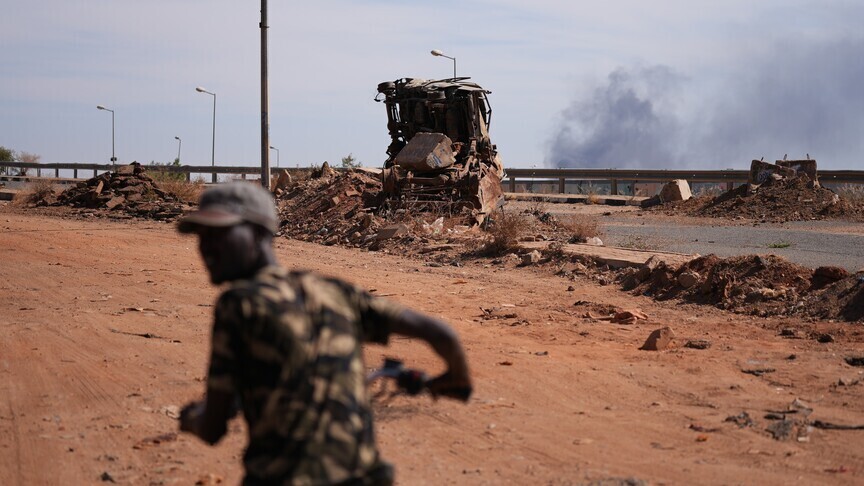
A military scene from the US-Israel conflict with Iran in the Middle East. — Source: bangkokpost
The war in the Middle East has profoundly unsettled global energy markets, primarily through its role in sparking oil shocks that radiate outward from the conflict zone.[3] Jet fuel prices, a critical benchmark for aviation and related sectors, have surged nearly 84 percent since February 28, reflecting the direct fallout from disrupted supply chains in the region.[1] This escalation in costs is not isolated but part of a broader pattern where hostilities in the Middle East buffet energy commodities, leading to volatility that affects pricing worldwide.[1][3]
Asia, in particular, is grappling with what has been termed an oil shock nightmare, as the US-Israeli war on Iran drags on without resolution.[3] The region's dependence on Middle Eastern oil imports amplifies the impact, turning a regional conflict into a continental economic strain. Two months of sustained fighting have altered supply dynamics, pushing prices higher and straining refineries and distributors.[3] This situation marks a departure from previous stability, where Asia served as the main driver of global growth, a view endorsed by the International Monetary Fund.[3]
The mechanics of this market disruption involve interruptions in key transit routes and production facilities tied to the war zones. As energy flows through the Middle East are impeded, alternative sourcing becomes costlier and logistically complex, sustaining elevated prices.[1] For jet fuel specifically, the 84 percent rise since the conflict's onset illustrates the sensitivity of refined products to crude oil fluctuations induced by the war.[1] Globally, this translates to higher operational expenses across transportation and manufacturing, with energy markets exhibiting heightened risk premiums due to uncertainty over the war's duration.[3]
Analysts tracking these developments note that the indefinite prolongation of the US-Israeli war on Iran exacerbates supply tightness, potentially leading to further price spikes if chokepoints like straits or pipelines remain contested.[3] The Asia Times characterization of this as the beginning of an oil shock nightmare underscores the early-stage nature of the crisis, with markets bracing for prolonged effects.[3] In tandem, reports from Dawn highlight how these energy market pressures are compounding, directly linking Middle East hostilities to tangible price increases felt in distant corners of the globe.[1]
Effects on the Aviation Industry
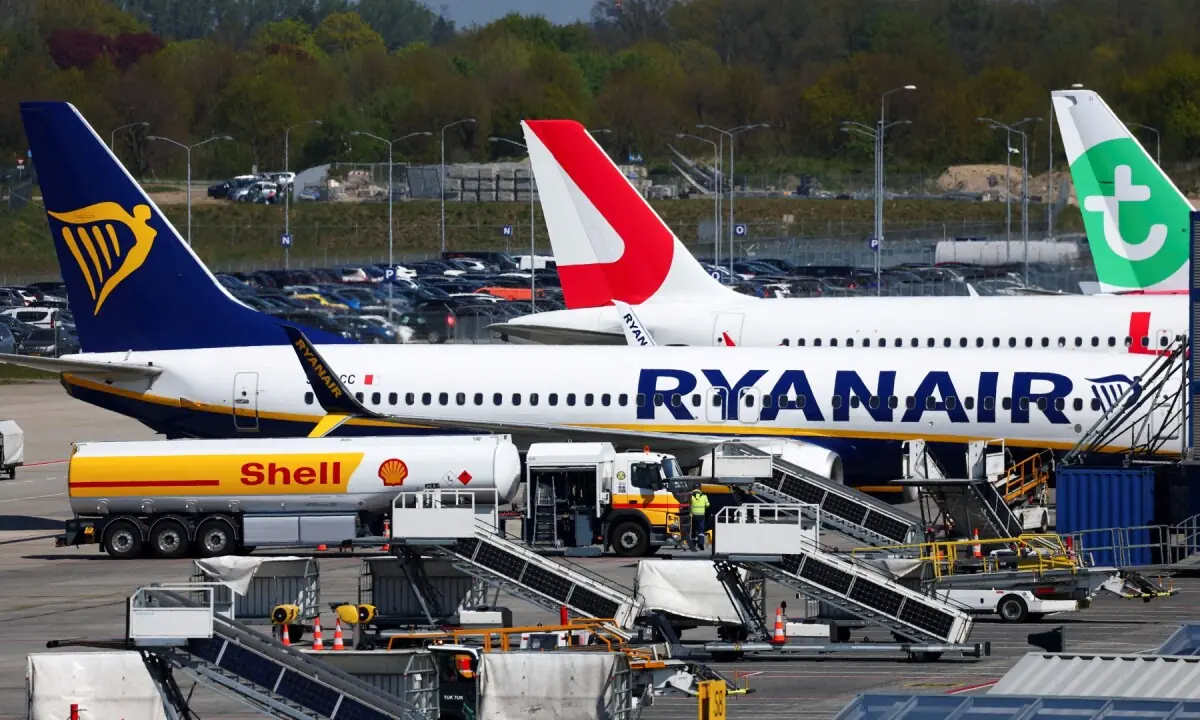
European airlines are confronting their most formidable challenge since the Covid-19 pandemic, driven by the war's impact on jet fuel availability and costs.[1] The nearly 84 percent increase in jet fuel prices since February 28 has cast a long shadow over operations, even as carriers leverage hedges to cap expenses at pre-conflict levels.[1] These financial instruments, which lock in fuel costs ahead of time, have provided a buffer, allowing many airlines to absorb the surge without immediate fare hikes or route cuts.[1]
However, the aviation sector's vulnerability extends beyond pricing to the specter of outright shortages. If the US-Israel war on Iran persists, supplies could dwindle, forcing cancellations and rerouting that would severely hamper summer holiday travel plans.[1] The Middle East's role as a vital corridor for transcontinental flights means that buffeting travel through the region—due to airspace closures or security risks—compounds fuel woes with operational disruptions.[1] European carriers, gearing up for peak season demand, now face clouded prospects, with profitability margins squeezed despite hedging protections.[1]
This scenario evokes memories of pandemic-era groundings, positioning the current crisis as a comparable existential threat. The Dawn report emphasizes that while hedges have tamed costs thus far, their expiration or inadequacy in a prolonged shortage could unravel this stability.[1] Airlines must navigate not only elevated fuel bills but also insurance premiums and maintenance delays tied to regional instability. Summer holiday plans, traditionally a revenue boon, risk being derailed as families and businesses reconsider long-haul trips amid uncertainty.[1]
In depth, the 84 percent jet fuel price escalation reflects refined product premiums amid crude volatility, hitting low-margin airlines hardest.[1] Hedging coverage varies, with some carriers protected into late 2025, but others exposed sooner, heightening sector-wide anxiety. The potential for shortages introduces supply chain frailties, reminiscent of Covid disruptions but rooted in geopolitical conflict rather than health measures.[1]
Regional Economic Implications

An oil spill in Indonesian waters amid Asia's rising energy shocks. — Source: asiatimes
Asia's economic landscape is undergoing a seismic shift due to the war, with oil shocks emerging as a defining feature of what was anticipated to be a transformative year.[3] The region, long hailed by the International Monetary Fund as the main driver of global growth, now confronts a reality altered by two months of Middle East hostilities.[3] The US-Israeli war on Iran, dragging on indefinitely, has initiated an oil shock nightmare that threatens to undermine industrial output, consumer spending, and investment flows.[3]
This conflict's energy market reverberations hit Asia acutely, given its heavy reliance on imported oil from the Persian Gulf. Elevated prices filter through to manufacturing hubs, inflating production costs and eroding competitiveness in export markets.[3] The Asia Times analysis posits 2026—amid ongoing war effects—as a major game-changer, where Asia's growth engine role is tested and potentially diminished.[3] Two months into the hostilities, the extent of this realization is dawning, with policymakers monitoring how sustained high energy costs could dampen recovery momentum.[3]
Broader economic implications include currency pressures, as oil import bills balloon, straining trade balances in oil-dependent economies like Japan and India.[3] The indefinite nature of the war amplifies these risks, potentially curtailing infrastructure projects and consumer durables demand sensitive to fuel prices.[3] IMF's prior optimism about Asia's centrality now contrasts sharply with the conflict-induced headwinds, marking a pivot point in global economic narratives.[3]
Potential Risks and Future Outlook
If the war persists, the risk of jet fuel shortages looms large, representing a critical tipping point for airlines worldwide.[1][3] Carriers have managed the 84 percent price hike through hedges, but prolonged conflict could overwhelm these measures, leading to grounded fleets and widespread disruptions.[1] The Dawn assessment warns of this exact scenario, noting that an extended US-Israel war on Iran endangers supply continuity.[1]
In Asia, the oil shock's escalation could deepen the nightmare, with indefinite hostilities threatening energy security and growth projections.[3] Two months in, the conflict has already reshaped market outlooks, and further duration risks cascading shortages across refineries and distribution networks.[3] Globally, aviation faces its sternest test post-Covid, with summer plans vulnerable to both cost and availability crunches.[1]
Future outlook hinges on de-escalation, but current trajectories suggest sustained volatility. Energy markets remain on edge, with Asia's economic primacy at stake amid these pressures.[3]
Latest Developments in the War in the Middle East
Ongoing coverage underscores the war in the Middle East as a hub for evolving events, with latest developments tracked closely by international outlets.[2] The Bangkok Post's focus on these updates highlights the conflict's dynamic progression, from initial strikes to entrenched positions.[2] Tied to the US-Israel actions against Iran, recent reports capture the breadth of military and diplomatic activity.[1][3]
This section of reporting emphasizes the war's persistence, mirroring broader narratives of indefinite prolongation.[3] As new information emerges, it reinforces the conflict's centrality to regional and global affairs, influencing everything from energy pricing to travel advisories.[2] The repetition in headlines signals heightened media scrutiny, ensuring stakeholders stay informed on shifts that could alter trajectories.[2]
What to watch next
Monitor for signs of jet fuel shortages if the war continues, alongside potential hedging breakdowns for airlines and deepening oil shocks in Asia as hostilities extend beyond two months.[1][3]