Conflict in Chad: At least 42 killed in clashes over water resources
At least 42 people were killed in clashes over water resources in eastern Chad, with the army intervening to control the situation.[1][2] This conflict in Chad stemmed from a dispute over a water well between two families that escalated into reprisal attacks and intercommunal fighting, leaving at least 10 people injured.[2][3] Officials have reported that the government views the situation as under control following the military's response.[1]
Overview of the Incident
The clashes in eastern Chad represent a significant outbreak of violence centered on access to vital water resources, resulting in at least 42 deaths.[1][2][3] According to reports, the incident unfolded as a dispute over a water well that quickly spiraled beyond its initial scope, drawing in broader community involvement through a cycle of reprisal attacks.[1][3] Al Jazeera detailed how fighting over water access led to this high death toll, with the army stepping in to restore order.[1] Africanews confirmed the location in eastern Chad and described the events as intercommunal fighting over water resources, with officials announcing the casualty figures on Sunday.[2] The BBC further outlined the progression, noting that what began as a localized disagreement escalated dramatically.[3]
This overview highlights the rapid intensification of the conflict, where disagreements over shared water points turned deadly. The involvement of multiple parties transformed a family-level issue into widespread confrontations, as evidenced by the consistent reporting across sources on the reprisal nature of the attacks.[1][3] The army's intervention marked a critical turning point, aimed at halting further violence and securing the area.[1] Such dynamics are captured in the sources, which emphasize the water resource dispute as the core trigger, leading to the intervention by security forces.[1][2][3] The scale of the response underscores the severity, with government assurances following shortly after.[1] Reports align on the minimum death toll of 42, reinforcing the incident's gravity without variation in the key figures provided.[1][2][3] This summary draws directly from the outlined events, illustrating how a resource scarcity issue precipitated large-scale clashes requiring official military action.[1][2][3]
Background of the Dispute

At least 42 people killed in clashes over water resources in eastern Chad. — Source: africanews
The origins of the conflict in Chad trace back to a specific disagreement over a water well between two families, which set off the chain of events leading to the deadly clashes.[3] This initial dispute, as reported by the BBC, escalated into a cycle of reprisal attacks, broadening the scope from familial tensions to wider confrontations.[3] Water resources emerged as the central point of contention, with access to the well becoming the flashpoint that ignited the violence.[3] The sources pinpoint this family-level origin as the starting point, highlighting how personal claims over essential water points can rapidly expand when unmet.[3]
Further detail from the reporting indicates that the dispute's nature—rooted in competition for water—provided fertile ground for escalation, as each side sought retribution following initial confrontations.[3] Al Jazeera's coverage complements this by noting how the water access fight spiraled into reprisals, aligning with the BBC's account of the progression.[1][3] No additional triggers are specified beyond the well itself, but the pattern of reprisals suggests a tit-for-tat dynamic that prolonged and intensified the fighting.[1][3] This background context, drawn exclusively from source descriptions, illustrates the vulnerability of water wells in communal settings, where disputes can quickly draw in extended networks.[3] The focus remains on the water resource issue, as consistently framed across the available reports.[1][3] Understanding this foundation is essential to grasping the full incident, as the initial family involvement provided the spark for the subsequent intercommunal dimensions noted elsewhere.[2][3]
Escalation and Intercommunal Nature
The conflict in Chad took on an intercommunal character as the initial water well dispute expanded, involving broader groups in the fighting over water resources.[2] Africanews explicitly describes the clashes as intercommunal, indicating participation from different communities vying for the same resources.[2] This escalation from a two-family disagreement to wider reprisal attacks is corroborated by multiple accounts, where the cycle of retaliation pulled in additional parties.[1][3] The sources collectively depict a progression where the core water access issue fueled ongoing hostilities.[1][2][3]
Details from the reports emphasize the reprisal element, with Al Jazeera noting how the dispute spiraled into repeated attacks.[1] The BBC's reporting on the family origins underscores the rapid broadening, transforming a localized issue into one affecting dozens.[3] This intercommunal fighting aligns with the injury reports, suggesting sustained engagements across community lines.[2] The consistency in describing reprisals points to a pattern of vengeance that amplified the violence.[1][3] Water resources remained the undisputed catalyst, as all sources tie the clashes directly to access struggles.[1][2][3] This phase of the incident reveals the interconnectedness of family and community ties in such resource disputes, leading to the high casualties observed.[2]
Casualties and Injuries
At least 42 people were killed and 10 injured in the intercommunal fighting over water resources in eastern Chad, according to officials cited in Africanews.[2] This human toll reflects the intensity of the clashes, with the death count confirmed across reports as the minimum figure.[1][2][3] The injuries add to the impact, indicating not only fatalities but also significant harm among survivors from the reprisal attacks.[2] The source specifies that these numbers were announced on Sunday, providing a timeline for the official tally.[2]
The reporting on casualties remains precise, with no discrepancies in the 42 deaths figure, lending credibility to the scale.[1][2][3] Intercommunal elements likely contributed to the extent of the losses, as broader participation escalated the confrontations.[2] Details from the sources do not break down the casualties by side or specifics, but the aggregate underscores the tragedy of the water dispute's fallout.[2] The 10 injuries highlight ongoing risks even after initial clashes, possibly from sustained fighting before army arrival.[1][2] This section details the reported toll as the direct result of the resource-based violence, with officials' statements anchoring the data.[2]
Response from Authorities
The army intervened in the clashes over water resources in Chad, playing a pivotal role in addressing the violence that claimed at least 42 lives.[1] Al Jazeera reports this military action as a direct response to the fighting, aimed at regaining control amid the reprisal attacks.[1] The government's involvement through the army marks a structured effort to de-escalate the situation stemming from the water access dispute.[1]
This response is framed in the sources as effective in halting the immediate cycle of violence.[1] The intervention followed the escalation from the initial family dispute, with security forces deploying to the eastern Chad location.[1][2] Officials' actions align with the need to protect communities amid intercommunal tensions.[2] The army's presence addressed the spiraling reprisals noted in reports.[1][3] Government coordination is implied in the unified response, leading to subsequent statements on stability.[1]
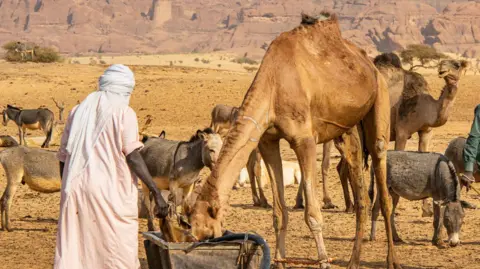
Clashes over a water well in eastern Chad result in at least 42 deaths. — Source: bbc
Current Status
The government has stated that the situation is under control following the army's intervention in the water-related clashes.[1] Al Jazeera quotes this assessment directly, indicating that measures taken have stabilized the area after the at least 42 deaths.[1] This official position comes in the wake of the reprisal attacks and intercommunal fighting, signaling a return to order in eastern Chad.[1][2]
The current status, as per the sources, reflects successful containment, with no further escalations reported in the immediate aftermath.[1] The government's declaration aligns with the military's role, providing reassurance amid the resource dispute's resolution efforts.[1] Ongoing monitoring by authorities is inherent in such statements, though specifics beyond control are not detailed.[1] This update caps the incident's progression from dispute to managed stability.[1]
What to watch next: Observers should monitor the government's continued assessment of control and any potential for renewed reprisal attacks over water resources, as indicated in official reports.[1][3]