Colombia Recognizes Israeli Sovereignty Over Golan Heights, Drawing Arab Condemnations
Colombian Recognition of Golan Heights
Colombia's Foreign Ministry announced on August 10 that the government recognizes Israeli sovereignty over the Golan Heights, citing ongoing regional instability in the Middle East and the strategic importance of the area to Israel's security. [1] Colombia thus became the second UN member state after the US to recognize Israeli sovereignty over the area. [1] The decision by Colombia's new president, Abelardo de la Espriella, to recognize Israeli sovereignty over the Golan Heights sparked a sharp diplomatic crisis between Bogotá and a number of Arab countries within days. [1] Spanish media have already described the move as a diplomatic crisis with Arab countries, while Colombian media have reported extensively on the wave of condemnations from Damascus, Riyadh, Cairo, Doha, and other capitals. [1]
Arab States' Condemnations
The Arab response was swift. [1] The Arab League rejected the move, saying the Colombian declaration has no legal effect, and called on Bogotá to reverse its decision. [1] Egypt said the recognition was contrary to international law and UN resolutions, stressing that it continues to regard the Golan Heights as Syrian territory. [1] Saudi Arabia issued a similar statement and warned that recognizing annexation does not contribute to achieving peace in the region. [1] Syria also strongly condemned the decision. [1] The Foreign Ministry in Damascus said the Golan Heights are an integral part of Syrian territory and that the country would use diplomatic and legal means to defend its sovereignty. [1] Qatar, Kuwait, and Iraq also joined the condemnations, while the Gulf Cooperation Council described Colombia's recognition as null and void. [1]
Broader Policy Shift in Bogotá
Spanish newspaper El País noted that the move is part of a much broader shift being led by de la Espriella in Colombia's relations with Israel. [1] The new president intends to strengthen security and intelligence cooperation, move Colombia's embassy to Jerusalem, resume coal exports to Israel, and withdraw his country's participation in proceedings against Israel at the International Court of Justice in The Hague. [1] The moves represent an almost complete reversal of the policies pursued by his predecessor, Gustavo Petro, who was considered one of Israel's harshest critics in Latin America. [1] Colombian media outlets, including Semana and Caracol Radio, emphasized that the decision has placed Colombia at odds with a broad coalition of Arab and Muslim countries. [1]
Israeli Defence Minister's Vow on Occupations
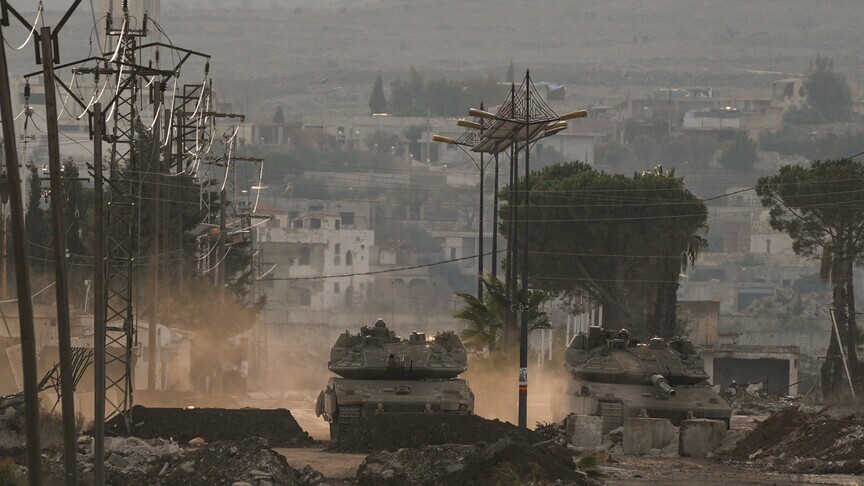
Israel's Defence Minister Israel Katz visited southern Lebanon on Wednesday, vowing to destroy infrastructure and keep troops in a so-called security zone as well as in Syria and Gaza. [2] Katz and Prime Minister Benjamin Netanyahu have repeatedly vowed not to withdraw from the security zone in southern Lebanon. [2] As the prime minister and I have clearly stated, we are not withdrawing from this security zone, Katz said during a visit to troops, according to a statement from his office. [2] The Israeli military is here to protect the northern communities and its own forces, Katz added. [2] We will clear this area and guarantee the security of the residents of the north, he said. [2] We will in no way withdraw from the security zones: not in Lebanon, not in Syria, and not in Gaza, he added. [2] In southern Lebanon, Katz said the military was destroying the underground infrastructure in the area and destroying all the houses. [2] Israel has also carried out repeated incursions and bombings in Syria since the overthrow of longtime ruler Bashar al-Assad, saying it sought to establish a demilitarised zone in the country's south. [2] In Gaza, Israeli forces occupy more than 60 percent of the war-battered territory. [2]
Current Status of the Diplomatic Crisis
However, as of today, there have been no reports of ambassadors being recalled, diplomatic relations being severed, or economic punitive measures being imposed. [1] For now, the dispute remains a developing political and diplomatic crisis, the scope of which may depend on whether Bogotá continues taking additional pro-Israel steps, foremost among them moving its embassy to Jerusalem. [1]
What to watch next is whether Colombia proceeds with plans to move its embassy to Jerusalem, which sources indicate could expand the scope of the ongoing diplomatic dispute with Arab states.