Colombia Earthquake Leaves Widespread Damage as Project HOPE Team Assesses Needs in Valle del Cauca
A magnitude 7.4 earthquake struck 240 kilometers west of Bogotá on or around 10 August 2026, causing widespread damage, landslides, and impacts to critical infrastructure across a large area of Colombia, with Project HOPE's emergency response team on the ground in Valle del Cauca and Risaralda conducting rapid needs assessments. [1]
Overview of the 7.4 Magnitude Earthquake
The Colombia earthquake registered a magnitude of 7.4 and was centered 240 kilometers west of Bogotá. [1] It produced widespread damage, landslides, and effects on critical infrastructure over an extensive geographic zone. [1] The event ranks as the strongest earthquake in Colombia this century according to reports of its reach and consequences. [4]
Emergency Response and Needs Assessment
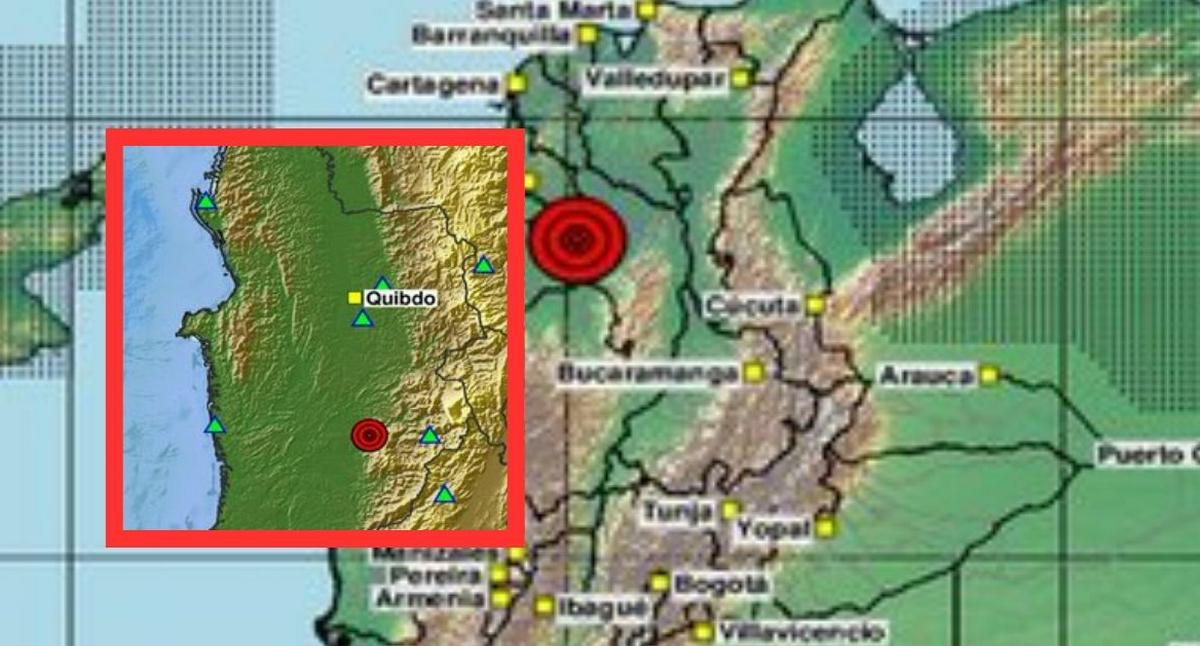
Project HOPE team conducts earthquake needs assessment in Valle del Cauca Colombia. — Source: gdelt
Project HOPE's Emergency Response Team is actively assessing needs in the departments of Valle del Cauca and Risaralda following the earthquake. [1] The team arrived on the ground to conduct rapid needs assessments in those areas after the magnitude 7.4 event. [1] Broader response measures include rental subsidies, shelters, humanitarian aid, and structural reviews of homes in affected zones such as Manizales. [2]
Aftershocks and Continued Seismic Activity
A magnitude 4.0 aftershock occurred on 13 August 2026 at 10:21 p.m. local time with its epicenter in Nóvita, Chocó, at a depth of 87 kilometers. [2] The aftershock was felt in multiple cities including Quibdó, Pereira, Armenia, Manizales, La Tebaida, and Medellín. [2] The Servicio Geológico Colombiano maintains monitoring of seismic activity and allows people who felt the movement to register their experience through the Sismo Sentido platform. [2] Authorities recommend maintaining calm, moving to a safe location away from windows and falling objects, and checking conditions afterward while following emergency guidance. [2]
Local Impacts in Manizales and Cali

Experts warn of a possible major earthquake striking Bogotá. — Source: gdelt
In Manizales, authorities have announced rental subsidies, shelters, humanitarian aid, structural reviews of homes, a curfew from 10:00 p.m. to 5:00 a.m., and suspension of classes for the week due to damage to educational infrastructure. [2] The earthquake has affected Venezuelan migrant teenagers Deivi and Winder Delfín in Cali, who had recently fled deadly quakes in Venezuela that killed over 6,300 people including three family members; they experienced the Colombia quake shortly after arriving. [4] The brothers described the recent shaking as haunting and noted that they no longer felt like children after witnessing the prior devastation. [4]
Seismic Risk Outlook for Bogotá
Experts from Colombia's Geological Service state that Bogotá faces a probable risk of a significant earthquake based on seismic theory and historical events, though prediction is not possible, urging preparedness without alarm. [3] The geologist Lina Aguirre noted that seismic theory indicates a probable major event capable of generating large effects in Bogotá, while emphasizing that no prediction of exact timing or location is feasible. [3] Historical records show major earthquakes in Bogotá dating to 1743, with additional events in the 19th century, a series in 1917, one in 1966 centered near Usme, and the strongest in 1967 with an epicenter in Huila that caused 13 deaths and more than 100 injuries. [3] Colombia sits on major tectonic plates in constant movement, placing the entire territory including Bogotá under ongoing seismic threat, and experts call for active emergency plans to reduce risks. [3]
International Relief Support
Mobilization of emergency equipment and personnel by organizations such as Zoomlion has occurred for relief efforts in response to the Colombia earthquake. [5] These actions supplement local assessments and aid distribution in the affected departments. [1]
What to watch next: Continued monitoring by the Servicio Geológico Colombiano of aftershocks and public reports via the Sismo Sentido platform, alongside ongoing needs assessments by Project HOPE in Valle del Cauca and Risaralda.