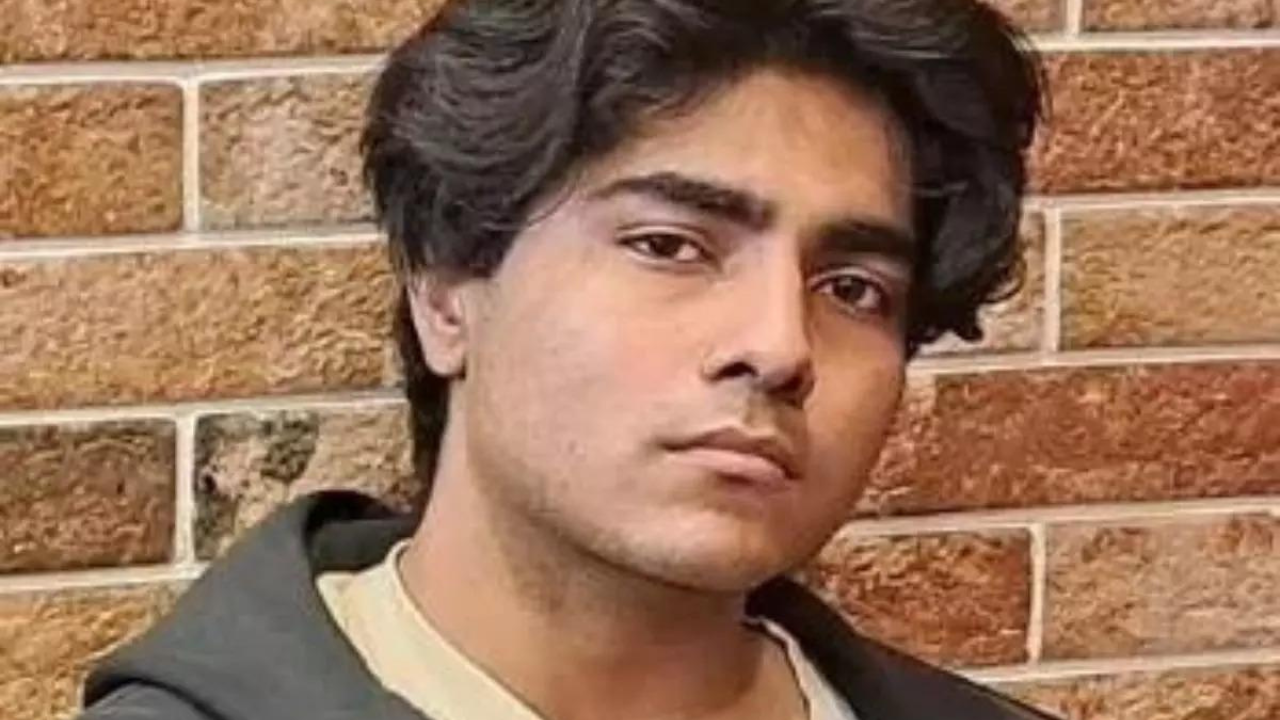

Canadian Police Arrest Suspect in Random Murder of Indian Student Shivank Avasthi
In a breakthrough in a high-profile homicide case, Canadian authorities have arrested Babatunde Afuwape on charges related to the murder of Shivank Avasthi, an Indian international student. Police have stated that the attack appears to have been random, with no prior relationship between the accused and the victim, raising fresh concerns about public safety amid a spate of seemingly unprovoked violent incidents.
The arrest was announced on Thursday, January 8, 2026, marking a significant step forward in the investigation into Avasthi's death. According to reports, Afuwape, whose background details remain limited in public disclosures, was taken into custody by law enforcement in Canada. Investigators have emphasized that the suspect targeted Avasthi without any personal motive or acquaintance, characterizing the incident as a random act of violence. This development comes after weeks of intensive police work following the student's killing, though specific details on the location of the crime or the arrest have not been fully elaborated in initial reports.
Shivank Avasthi, a student from India pursuing studies in Canada, was fatally attacked in what authorities now describe as an opportunistic assault. International students like Avasthi form a vital part of Canada's educational landscape, with the country hosting hundreds of thousands of such learners annually. In recent years, Canada has been a top destination for Indian students, who numbered over 300,000 in 2023 before federal caps on study permits were introduced in 2024 to address housing pressures and program integrity. Avasthi's case underscores the vulnerabilities faced by this demographic, even in a nation renowned for its relative safety.
Canadian police have not released additional specifics on the circumstances of the attack, such as the weapon used or the exact timeline leading to Avasthi's death. However, their determination that the murder was random aligns with patterns observed in some urban violent crimes across the country. Investigators indicated that Afuwape did not know the victim, dispelling early speculation of targeted harassment or interpersonal disputes. The accused is expected to face formal murder charges, with court proceedings to follow standard protocols under Canada's Criminal Code.
Broader Context of Crime Trends in Canada
Canada maintains one of the lowest homicide rates among developed nations, with Statistics Canada reporting a national rate of 2.3 per 100,000 people in 2023, up slightly from pre-pandemic levels but still far below rates in the United States. However, random violent attacks, including stabbings and assaults in public spaces, have garnered attention in major cities like Toronto, Vancouver, and Calgary. These incidents often involve mental health issues, substance use, or impulsive acts, contributing to public unease despite overall declining violent crime severity indexes in many provinces.
The case echoes other recent tragedies involving international students. In 2024, several high-profile incidents highlighted safety challenges, including assaults on South Asian students in British Columbia and Ontario amid rising tensions over immigration and housing shortages. While not indicative of widespread targeting, such events have prompted community advocacy groups, like the Indian diaspora organizations in Canada, to call for enhanced campus security and police patrols near student accommodations. Federal and provincial governments have responded with initiatives like the 2024 International Student Emergency Support program, offering counseling and safety resources.
In Avasthi's case, the random nature of the attack amplifies its impact on the Indian student community, which contributes billions to Canada's economy through tuition and living expenses. The Council of International Education Agents of India has previously voiced concerns over isolated but publicized crimes deterring prospective students, potentially affecting enrollment numbers already pressured by visa restrictions.
Investigation and Community Response
Law enforcement agencies involved have yet to provide a full timeline or forensic details, but the swift arrest suggests robust evidence gathering, possibly including witness statements, surveillance footage, or digital traces. Afuwape's detention halts any immediate flight risk and allows for deeper probing into potential motives or patterns in his behavior. Canadian police protocols emphasize thorough investigations in homicide cases, often involving specialized units like the homicide squads in provinces such as Ontario or British Columbia—though the precise jurisdiction remains unspecified.
Reactions from Avasthi's family and the broader Indian community in Canada have not been detailed publicly, but similar past cases have led to vigils and appeals for justice. Indian consular services in Canada routinely assist families in such tragedies, facilitating repatriation of remains and legal support.
Outlook
As Afuwape awaits arraignment, the case will likely draw scrutiny from both Canadian and Indian media, testing public confidence in urban safety measures. Prosecutors will need to prove intent under Canada's first- or second-degree murder frameworks, with random violence potentially qualifying for aggravated sentencing. For international students, this incident serves as a stark reminder of the need for vigilance, even in low-crime environments.
Authorities continue to urge witnesses with information to come forward, signaling that the probe remains active. In the interim, community leaders advocate for collaborative efforts between police, universities, and student groups to mitigate risks. This arrest, while providing some closure to Avasthi's loved ones, highlights ongoing challenges in preventing isolated but devastating acts of violence in Canada's diverse urban centers.
(Word count: 712)