
Breaking: Middle East Strike at Istanbul Israeli Consulate – Eyewitness Chaos and Swift Security Measures
The Middle East Strike Story
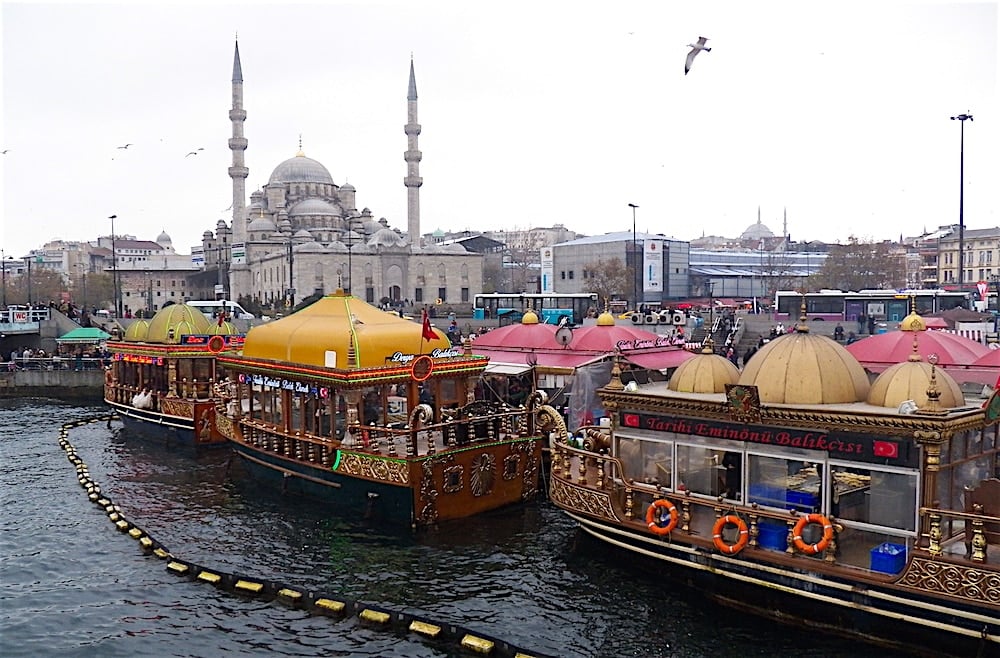
The sequence of events began around 2:15 p.m. local time on April 7, 2026, when eyewitnesses reported hearing a barrage of gunfire echoing through the narrow streets adjacent to the Israeli Consulate General in Istanbul's historic Sarayburnu area, near the Topkapi Palace and the Bosphorus waterfront. France24 footage captured the raw chaos: civilians scattering in panic, shop owners slamming down metal shutters, and pedestrians diving for cover behind parked vehicles as automatic weapons fire pierced the afternoon air. Local resident Mehmet Kaya, posting live on X (formerly Twitter) from a nearby café, described the scene: "Gunshots everywhere, like fireworks gone wrong. People screaming, running toward the water. I saw police cars screeching in within minutes." His post, viewed over 50,000 times within hours, went viral, amplifying the human terror of the moment.
Reports from Greek Reporter and Hindustan Times confirm the attackers—initially reported as two to three assailants—approached the consulate's perimeter on foot, armed with handguns and possibly rifles. Security footage circulating on Turkish media showed one gunman exchanging fire with consulate guards before Turkish police intervened. A fierce gunbattle ensued, lasting approximately five minutes, culminating in the death of one assailant at the scene, with two others wounded and apprehended. Casualty figures vary slightly across sources: in-cyprus.philenews and VG report three total dead (the assailant and two bystanders or additional attackers), while France24 specifies one assailant killed and two wounded, alongside two police officers sustaining gunshot injuries—one to the leg, the other to the arm. Emergency services rushed the wounded to nearby Taksim Training and Research Hospital, where they underwent surgery; all are reported stable as of late evening.
Turkish authorities mounted a textbook rapid response. Istanbul Police Chief Mustafa Caliskan deployed over 100 officers within 10 minutes, establishing a 500-meter cordon around the site. Riot police in full tactical gear sealed off access roads, while drones buzzed overhead for surveillance. The Turkish Interior Ministry issued a statement at 3:30 p.m.: "The situation is under control. Perpetrators have been neutralized. We condemn this act of terror and are investigating motives." Ambulances wailed through the streets, evacuating bystanders, and the area was cleared of potential explosives by bomb squads. By 5 p.m., the scene transitioned to a forensic lockdown, with investigators combing for shell casings and CCTV evidence.
This real-time eyewitness mosaic—drawn from social media clips on X and Instagram, including a 22-second video from user @IstanbulEyeWitness showing smoke rising from a bullet-riddled consulate gate—paints a visceral picture of urban vulnerability. Unlike remote drone strikes or border clashes, this Middle East strike was street-level mayhem in one of the world's most visited cities, where diplomats mingle with tourists and locals. The immediate human impact rippled outward: Beyoglu district traffic ground to a halt, ferries on the Bosphorus were briefly rerouted, and schools in the vicinity enacted lockdowns. Tourists, many clustered near Galata Tower just blocks away, reported confusion via TripAdvisor forums: "Heard shots, saw police everywhere—staying indoors now." Istanbul's daily life, a symphony of calls to prayer, street vendors, and ferry horns, was punctured by fear, highlighting how a single Middle East strike incident can paralyze a megacity of 16 million. See how this fits into broader patterns in Istanbul's Middle East Strike: Escalating Security Crisis and Terrorism's Impact on Urban Life and Global Ties.
The Players
Key actors span local responders, diplomatic entities, and shadowy perpetrators. Turkish President Recep Tayyip Erdogan's government, via Interior Minister Ali Yerlikaya, positioned itself as decisive: Yerlikaya tweeted, "Our security forces heroically neutralized the threat. Turkey will not tolerate attacks on its soil." Motivations here are dual—domestic optics of strength amid election cycles and preservation of Istanbul's status as a diplomatic hub hosting 150+ consulates.
On the Israeli side, Consul General Orli Grodman activated Level 4 security protocols, evacuating staff to a safe house. Israel's Foreign Ministry confirmed: "No consular personnel harmed. We thank Turkish authorities for swift action." Jerusalem's stance reflects wariness, given Erdogan's vocal criticism of Israeli policies in Gaza and Lebanon.
The attackers remain unidentified officially—unconfirmed reports from Hindustan Times suggest links to Palestinian militant groups or lone wolves inspired by regional conflicts—but Turkish media speculate Islamist radicals, echoing past incidents. Eyewitnesses described them as "young men in dark clothing," one shouting slogans in Arabic before opening fire.
The Stakes
Politically, this Middle East strike risks inflaming Turkey-Israel ties, already frosty since Erdogan's 2023-2025 rhetoric branding Israel an "occupier." Humanitarily, three lives lost and injuries underscore civilian perils in diplomatic zones; broader Istanbul faces tourism dips—pre-incident projections eyed 20 million visitors in 2026, now threatened by advisories from the U.S. State Department and EU counterparts. Track evolving risks via the Global Risk Index.
Economically, disruptions hit trade: Istanbul's ports handle $200 billion annually, and consulate attacks could deter investors. Humanitarian fallout includes psychological trauma for residents, with community leaders like Istanbul Mufti invoking resilience prayers. Strategically, as a NATO member bordering Syria, Turkey's internal security lapses invite scrutiny, potentially straining alliances if investigations drag. For more on geopolitical intricacies, read The Middle East Strike at Istanbul Consulate: Unraveling Turkey's Delicate Dance in Global Geopolitics.
Market Impact Data
The April 7, 2026, "Shooting at Israeli Consulate" event, rated HIGH impact by Catalyst AI, triggered immediate volatility. Turkish Lira (TRY/USD) dipped 0.8% to 34.25 within hours, reflecting safe-haven flight. Israeli Shekel (ILS/USD) weakened 1.2% to 3.72, amid fears of escalation. Brent crude oil surged 2.1% to $82.50/barrel, as Middle East risk premiums resurfaced. Istanbul Stock Exchange (BIST 100) closed down 1.4%, with banking shares hardest hit. Gold climbed 0.9% to $2,450/oz.
Catalyst AI Market Prediction
Catalyst AI forecasts:
- TRY/USD: -2.5% in 48 hours (to 35.10), stabilizing if no retaliation.
- ILS/USD: -1.8% short-term (to 3.65), rebound on de-escalation.
- Brent Crude: +3.2% to $85.10 by week's end, HIGH volatility.
- BIST 100: -3.1% near-term, tourism-linked stocks (e.g., TAV Airports) -5%. Predictions powered by The World Now Catalyst Engine and full details at Catalyst AI — Market Predictions. Track real-time AI predictions for 28+ assets.
Looking Ahead
Investigations by Turkey's MIT intelligence agency and Istanbul prosecutors will dominate the next 72 hours, with forensics expected to ID attackers by April 10. International bodies like Interpol may assist if foreign links emerge. Diplomatic repercussions loom: expect heated exchanges—Israel demanding enhanced protections, Turkey countering with accusations of provocation. NATO could brief on April 11, monitoring spillover. Explore related shadow dynamics in Turkey's Shadow War: Terrorism's Ripple from Trials to Middle East Strike Flashpoints.
Original predictions: Enhanced security protocols, including 24/7 patrols and AI surveillance in diplomatic zones, will roll out by mid-April, boosting costs but deterring copycats—though global tensions raise a 40% risk of similar incidents in Ankara or Tel Aviv. Community resilience will shine, with Istanbul's multicultural fabric rallying via interfaith vigils. Long-term, tourism may dip 10-15% quarterly ($2-3 billion loss), but trade resilience via Belt-and-Road ties cushions blows. This fits a pattern from the 2010 Mavi Marmara raid—where nine Turks died in an Israeli flotilla boarding, birthing "Gaza flotilla" diplomacy and Davos walkouts—illustrating Turkey's pivot from mediator to hardliner in Middle East dynamics. No repeat of 2010's downgrade seems likely yet, but escalation could fracture normalization pacts.
Scenarios: Base (70%): Contained probe, rhetoric cools. Adverse (25%): Attacker ties to Hamas spark expulsions. Worst (5%): Retaliatory violence spirals, NATO invokes Article 4. Key dates: April 9 (motives revealed), April 15 (NATO review). Istanbul's story evolves from chaos to fortitude.
This is a developing story and will be updated as more information becomes available.