Black Sea Drone Strike on Russian Tanker Draws in Turkish Authorities Amid Heightened Regional Tensions
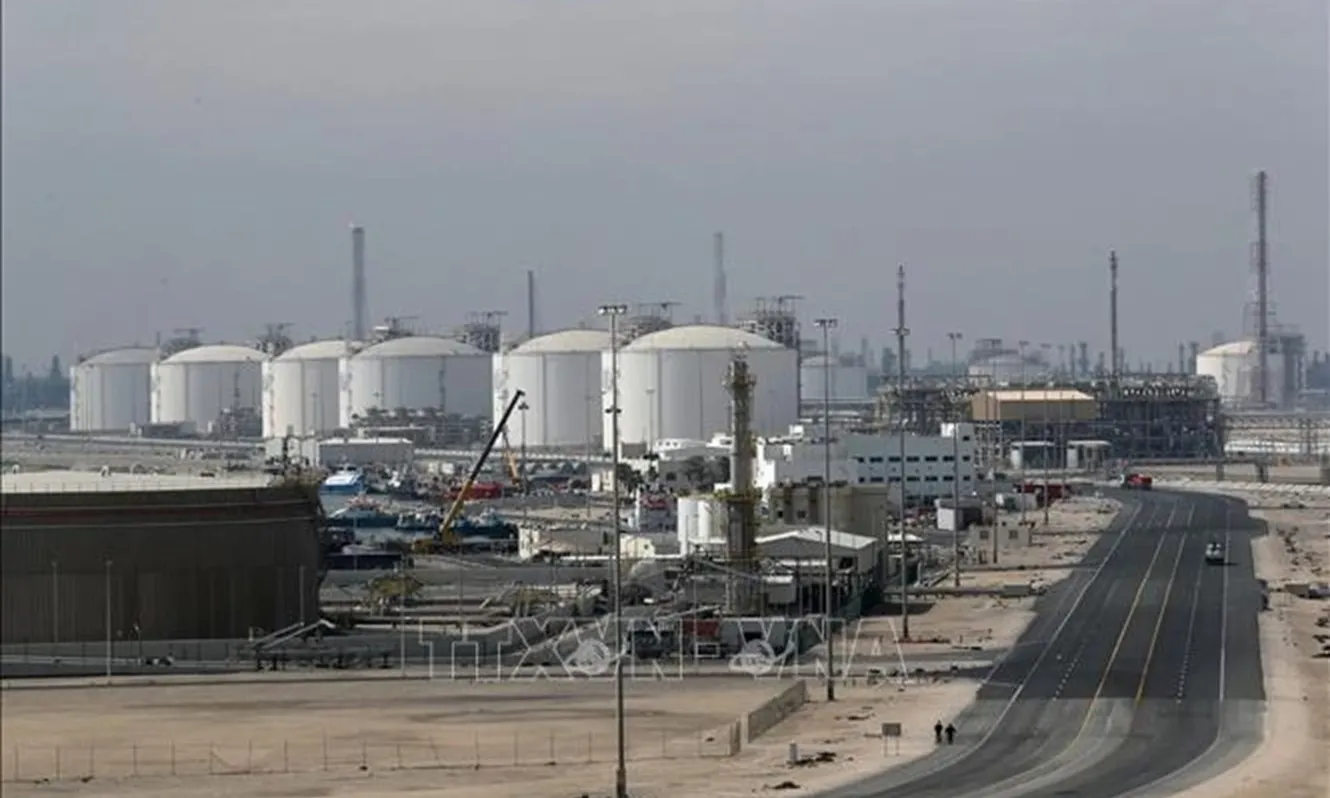
Istanbul/Ankara – A Russia-bound oil tanker was targeted in a drone attack in the Black Sea on Thursday, forcing it to request assistance from the Turkish coastguard and alter its course, maritime tracking services reported. The incident underscores the persistent volatility in the region nearly four years into Russia's war against Ukraine, with Turkey positioned at the crossroads of escalating naval confrontations.
According to a notice from Lloyd's List Intelligence, a respected maritime intelligence firm, and corroborated by a separate maritime security source, the tanker – whose name and flag were not immediately disclosed in initial reports – sustained damage from the drone strike. The vessel issued a distress call to Turkish authorities, highlighting Ankara's pivotal role in Black Sea security despite its neutral stance in the conflict. As of Thursday afternoon, the tanker had diverted from its original path, though further details on its condition, cargo, or final destination remained unclear.
The attack fits into a pattern of Ukrainian drone and missile operations aimed at disrupting Russian maritime logistics. Since Moscow's full-scale invasion of Ukraine in February 2022, Kyiv's forces have claimed responsibility for dozens of strikes on Russia's Black Sea Fleet and associated commercial vessels, including so-called "shadow fleet" tankers used to circumvent Western sanctions on Russian oil exports. These operations have significantly curtailed Russian naval dominance in the sea, sinking or damaging over 30 warships according to Ukrainian military tallies verified by open-source intelligence analysts like those at the Oryx research group.
Turkey, which controls the Bosphorus and Dardanelles straits under the 1936 Montreux Convention, has enforced restrictions on warships transiting the waterways since the war began, barring Russian and Ukrainian naval vessels from non-Black Sea ports in peacetime. This has limited Moscow's ability to reinforce its fleet from the Mediterranean, forcing reliance on overland routes and vulnerable coastal shipping. Turkish coastguard involvement in this latest incident reflects Ankara's broader responsibilities for maritime safety in its territorial waters and exclusive economic zone, which border the western Black Sea.
No group immediately claimed responsibility for the drone strike, but the modus operandi aligns with Ukraine's maritime drone program, including uncrewed surface vessels (USVs) and aerial drones launched from coastal bases. Russian officials have not commented publicly on the event as of press time, though Moscow routinely attributes such attacks to Kyiv and vows retaliation. The Black Sea remains a chokepoint for global energy markets, with Russia exporting millions of barrels of oil daily through the straits prior to intensified Ukrainian actions.
Domestic Political Ripples in Turkey
Compounding regional pressures, Turkey's opposition parties launched sharp criticism against President Recep Tayyip Erdogan on Monday over his administration's silence regarding the U.S. military's reported capture of Venezuelan President Nicolas Maduro on January 3. The medium-severity political episode, which began gaining traction on January 5, highlights tensions in Erdogan's foreign policy balancing act.
Opposition figures accused Erdogan of failing to condemn what they described as a U.S. intervention in Venezuelan affairs, contrasting with Ankara's historically close ties to Maduro's government. Turkey has provided economic lifelines to Venezuela, including gold trade deals bypassing U.S. sanctions, and Erdogan publicly supported Maduro's contested 2024 reelection amid international skepticism. The capture – unverified in mainstream Western reporting but cited in Turkish opposition discourse – has fueled debates over Erdogan's selective engagement with authoritarian leaders, including Russia's Vladimir Putin.
This backlash occurs against a backdrop of Erdogan's assertive diplomacy: maintaining energy cooperation with Russia despite NATO membership, mediating Ukraine grain deals, and positioning Turkey as a broker in global south alliances. Opposition leaders, including those from the Republican People's Party (CHP), used social media and statements to question the president's priorities amid domestic economic woes like inflation exceeding 40% and currency depreciation.
Background and Strategic Context
The Black Sea's strategic value cannot be overstated. Encircled by NATO members Turkey, Romania, and Bulgaria on one side and Russia, Ukraine, and Georgia on the other, it serves as a conduit for 3-4% of global seaborne oil trade. Ukraine's "mosquito fleet" tactics – low-cost drones overwhelming larger targets – have shifted the balance, with notable successes like the September 2023 sinking of the Russian submarine Rostov-on-Don and landing ship Minsk.
Turkey has navigated these waters carefully, supplying drones like the Bayraktar TB2 to Ukraine while purchasing Russian S-400 systems, drawing U.S. sanctions. President Erdogan recently hosted Ukrainian President Volodymyr Zelenskiy and Russian Foreign Minister Sergey Lavrov separately, underscoring Ankara's mediation ambitions ahead of potential 2026 peace talks.
The Maduro controversy adds another layer, reflecting Turkey's outreach to non-Western powers. Bilateral trade reached $1.2 billion in 2024, focused on commodities, with Venezuela repaying Turkish loans via gold shipments.
Outlook
As investigations into the tanker strike continue, expectations mount for statements from Ankara, Kyiv, and Moscow. Enhanced Turkish patrols could deter further incidents near its shores, but the Black Sea's militarization persists. Domestically, the Erdogan criticism may amplify ahead of local elections, testing his alliance with Maduro-like figures.
With global shipping insurance premiums rising for the region – up 20% year-over-year per some estimates – stakeholders watch closely. The World Now will provide updates as more details emerge.
(Word count: 748)