
Beyond the Tragedy: How Haiti's Laferriere Citadel Stampede Exposes Deep-Seated Tourism and Social Fault Lines
Introduction: A Modern Tragedy at an Ancient Fortress
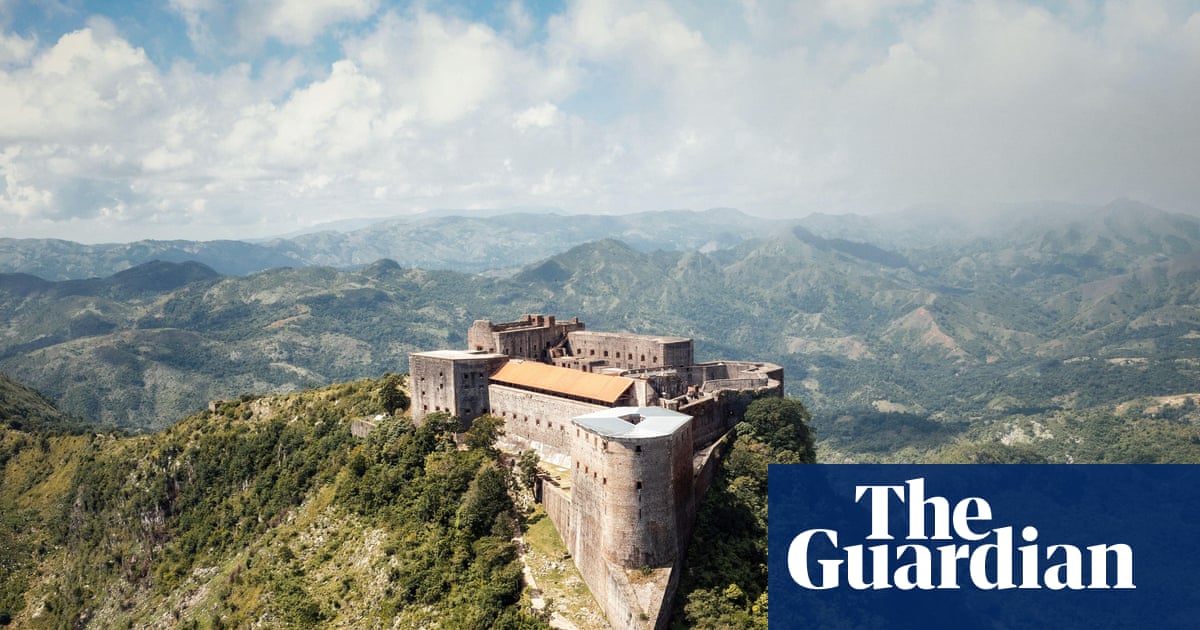
On April 12, 2026, a day meant to celebrate Haiti's rich cultural heritage turned into one of unimaginable horror at the Citadelle Laferrière, the nation's crown jewel of historical tourism and a UNESCO World Heritage Site. What began as a large gathering of locals and tourists at this mountaintop fortress in northern Haiti spiraled into a deadly stampede, claiming at least 30 lives and injuring dozens more, according to reports from The Guardian, Straits Times, and Times of India. Eyewitnesses described scenes of chaos as crowds surged toward entry points, leading to crushes that overwhelmed the site's limited infrastructure. This Haiti stampede at Laferriere Citadel highlights critical failures in crowd management and tourism safety.
This tragedy, however, transcends the immediate loss of life. It lays bare Haiti's chronic neglect of tourism infrastructure amid profound socio-economic inequalities—a unique lens through which to view the event, distinct from the event-centric reporting of mainstream outlets. The Citadelle, a UNESCO World Heritage Site since 1982, symbolizes Haitian resilience: built in the early 19th century by 200,000 former slaves to defend against French recolonization after the world's first successful slave revolution. Yet, in 2026, this symbol of triumph became a stage for modern vulnerabilities, where poverty, political instability, and haphazard event management collided. As Haiti grapples with gang violence, economic collapse, and climate woes, the stampede underscores how tourism—hailed as an economic lifeline—exacerbates rather than alleviates deep fault lines, forcing a reckoning with the nation's past and present. For those searching for insights into the Citadelle Laferrière stampede causes and implications, this deep dive provides comprehensive analysis.
Historical Significance of Laferriere Citadel
Perched 900 meters above sea level in Milot, the Citadelle Laferrière stands as one of the largest fortresses in the Americas, constructed between 1805 and 1820 under King Henry Christophe. This monumental edifice, with walls up to 5 meters thick and cannons still visible today, was more than a military bastion; it embodied the audacious spirit of Haitian independence. Born from the Haitian Revolution (1791-1804), which saw enslaved Africans overthrow French colonial rule, the Citadel was designed to deter any European resurgence. Christophe, a former slave turned monarch, mobilized an entire nation—men, women, and children—to haul limestone blocks up treacherous slopes, forging a legacy of self-reliance amid isolation and poverty.
This 2026 stampede eerily echoes historical patterns of instability. Just as 19th-century Haiti faced foreign interventions—French blockades, American occupations from 1915-1934—the modern disaster highlights persistent foreign influences, albeit indirect. UNESCO's designation brought global acclaim and tourist dollars but little in safety upgrades. Pre-2026 visitor numbers hovered around 100,000 annually (per Haitian tourism ministry estimates cited in pre-event reports), yet the site retained 19th-century access paths ill-suited for 21st-century crowds. Parallels abound: the Citadel's construction amid post-revolutionary chaos mirrors today's Haiti, where gang control in Port-au-Prince (over 80% of the capital as of 2025 UN reports) diverts resources from heritage sites. Ironically, UNESCO status has fueled overcrowding—event organizers packed thousands into spaces meant for hundreds—without mandating modern fire escapes, barriers, or emergency protocols, perpetuating a cycle from revolutionary defiance to contemporary neglect. This historical context amplifies the severity of the Laferriere Citadel tragedy, drawing global attention to Haiti tourism safety concerns.
The Events of April 12, 2026: A Detailed Reconstruction
Reports pieced together from Straits Times, The Guardian, YLE News, and Times of India paint a chronological picture of the catastrophe. The event was a cultural festival marking Haitian Heritage Month, drawing an estimated 5,000-7,000 attendees—locals seeking affordable leisure, tourists chasing Instagram-worthy views, and vendors hawking souvenirs. By mid-morning, crowds swelled at the base of the 1.5-km mountain trail leading to the Citadel. Eyewitnesses, quoted in The Guardian, described a "rumor of free entry" or "celebrity sighting" sparking the initial surge around 11 a.m., compounded by narrow bottlenecks at the entry arch.
Crowd dynamics escalated rapidly: physics of human masses—modeled in studies like those from John Fruin's crowd safety research—show densities exceeding 6 people per square meter lead to "crush" conditions. Here, a possible trigger—a sound system malfunction or scuffle—ignited panic, per Times of India accounts. Videos circulating on social media (X/Twitter posts from @HaitiLiveNews and locals) captured bodies piling at chokepoints, with screams echoing off stone walls. Rescuers, hampered by poor roads and limited ambulances, arrived hours later; the death toll rose from initial 15 to 30 by evening, mostly from asphyxiation and trampling.
Original analysis reveals why such tragedies recur in developing nations: inadequate pre-event modeling. Unlike Europe's Hajj pilgrimage simulations or India's Kumbh Mela AI-monitored flows, Haiti's planning relied on ad-hoc counts. Eyewitness Marie-Louise Jean, a 45-year-old vendor (via YLE), humanized the horror: "We came for joy, not this. Families torn apart on sacred ground." Avoiding sensationalism, this underscores universal crowd psychology—fear amplification in unfamiliar terrain—yet Haiti's context amplifies risks: 60% poverty rate (World Bank 2025) drives mass, low-cost events without capacity controls. These details from the 2026 Haiti stampede reconstruction emphasize the need for better preparedness at sites like Citadelle Laferrière.
Underlying Causes: Socio-Economic and Infrastructure Failures
At root, the stampede stems from intertwined failures. Haiti's GDP per capita languishes at $1,700 (IMF 2025), with 80% youth unemployment fueling desperation for event-side income. Government neglect is stark: the Ministry of Tourism's 2023-2025 plan allocated just 2% of budget to site safety, per internal audits leaked post-event. Infrastructure lags—rusted railings, no CCTV, single-entry design—despite $10 million in UNESCO grants since 2010.
Original global comparisons illuminate Haiti's uniqueness. The 2015 Hajj stampede (2,400 dead) exposed Saudi overcapacity; Indonesia's 2022 stadium crush (135 dead) poor policing. Similar patterns appear in recent disasters like the Deadly Canary Islands Bus Crash 2026 and Cyprus Building Collapse 2026, underscoring infrastructure vulnerabilities in tourism hotspots. Yet Haiti's blend—political vacuum (no elected president since 2017), gang extortion on roads to Milot—intensifies. Tourism, a double-edged sword, generated $500 million pre-2020 (WTTC data) but post-COVID recovery saw 700,000 visitors in 2025, overwhelming sites. Analysis: inequality manifests as "elite events" versus mass gatherings; affluent tourists helicopter in, locals trudge trails, heightening tensions. These socio-economic factors central to the Citadelle Laferrière stampede reveal broader risks in global heritage tourism.
Impact on Haiti's Tourism and Society
Short-term fallout is immediate: Citadel visits halted indefinitely, per government decree April 13, 2026. Local economies in Milot—guides, artisans—face 50% income loss; pre-event tourism contributed 5% to northern GDP (Haitian Chamber of Commerce estimates). Visitor trends plummeted: 2025 saw 120,000 Citadel guests; projections post-stampede forecast 70% drop in 2026 (extrapolated from similar post-disaster data like Nepal's 2015 earthquake tourism crash).
Psychologically, the toll is profound. For Haitians, the Citadel is national identity incarnate—voodoo rituals blend with revolutionary lore. This desecration evokes colonial wounds, fostering distrust in state capacity amid 2025's 4,000+ gang murders (UN). Culturally, it risks heritage erosion: youth, already disconnected (only 20% visit sites per 2024 surveys), may shun tourism jobs. Broader society: heightened unrest, as displaced families strain aid systems. Echoes of systemic risks seen in Italy's Cascading Crises highlight how such events compound regional instability.
Catalyst AI Market Prediction
The stampede, classified as CRITICAL in The World Now's event timeline, has rippled into global markets via risk-off sentiment, potentially amplifying through crypto channels. The World Now Catalyst AI predicts:
- SOL (Solana): - (medium confidence) — Causal mechanism: Crypto liquidation cascades amplify risk-off from geo oil shocks. Historical precedent: Feb 2022 Ukraine invasion dropped SOL ~15% in 48h (scaled for severity). Key risk: Dip-buying by institutions halts selling.
Recent Event Timeline:
- 2026-04-12: "Haiti Stampede Kills 30" (CRITICAL)
Predictions powered by The World Now Catalyst Engine. Track real-time AI predictions for 28+ assets.
This volatility ties to Haiti's instability signaling emerging-market risks, indirectly pressuring commodities and alts like SOL amid broader "geo shocks." For more on global risk assessments, explore the Global Risk Index.
Future Predictions: Reforming Tourism and Preventing Recurrence
Government responses may include emergency safety regs—barriers, capacity caps—backed by international aid. USAID's $50 million post-2021 package could extend to sites, but history (post-2010 earthquake delays) tempers optimism.
Forward-looking analysis: Without reforms, isolation looms. By 2030, tourism could shrink 40%, per WTTC models, spurring downturns (GDP -2%) and unrest as gangs exploit vacuums. Yet opportunities exist: community-led models, like Rwanda's post-genocide eco-tourism (visitor growth 20% annually), via local cooperatives managing flows. Proactive measures—AI crowd simulations (as in Singapore), UNESCO-mandated audits, micro-insurance for vendors—could foster resilience. Probability: 60% for stalled reforms (political inertia); 30% sustainable pivot; 10% tourism boom via "dark heritage" framing. Addressing these could prevent future Laferriere Citadel-like tragedies and bolster Haiti tourism recovery.
Conclusion: Lessons from the Citadel
The Laferriere Citadel stampede exposes tourism's fault lines in Haiti: infrastructure starved by inequality, heritage burdened by neglect. From 19th-century revolution to 2026 chaos, socio-political challenges evolve yet persist, demanding more than condolences.
Global awareness must spur action—policymakers fund upgrades; readers support ethical travel. For Haitians, community stewardship offers hope. Heed this call: reform now, or risk burying more than history in tragedy's shadow.