
Balochistan Conflict: Pakistan Update - March 1, 2026
Overview of the Balochistan Conflict
As of March 1, 2026, Balochistan, Pakistan's southwestern province, remains a volatile flashpoint characterized by an escalating separatist insurgency, cross-border skirmishes with Taliban forces, and increasing external pressures from allies like China. Baloch militants, primarily from groups such as the Balochistan Liberation Army (BLA), continue low-level guerrilla attacks on security forces and infrastructure. Meanwhile, Pakistani military operations have intensified, resulting in dozens of militant casualties but also significant civilian fallout. The potential deployment of Chinese military forces in the region—rumored since early January—poses a significant concern for Pakistan's sovereignty amid Beijing's heavy investments in the China-Pakistan Economic Corridor (CPEC).
Recent Developments and Humanitarian Impact
- February 28, 2026: A border conflict between Pakistan and the Taliban erupts near Chaman, resulting in the deaths of at least 12 soldiers and wounding 20; militants infiltrate from Afghanistan, targeting Balochistan outposts. Social media posts from @BalochVoice highlight fleeing civilian families, amplifying calls for independence.
- February 24-27, 2026: Pakistani airstrikes in Balochistan's Kech and Panjgur districts kill over 20 militants but result in 15-20 civilian deaths, including women and children, per local reports. Protests erupt in Quetta, with activists decrying "genocide."
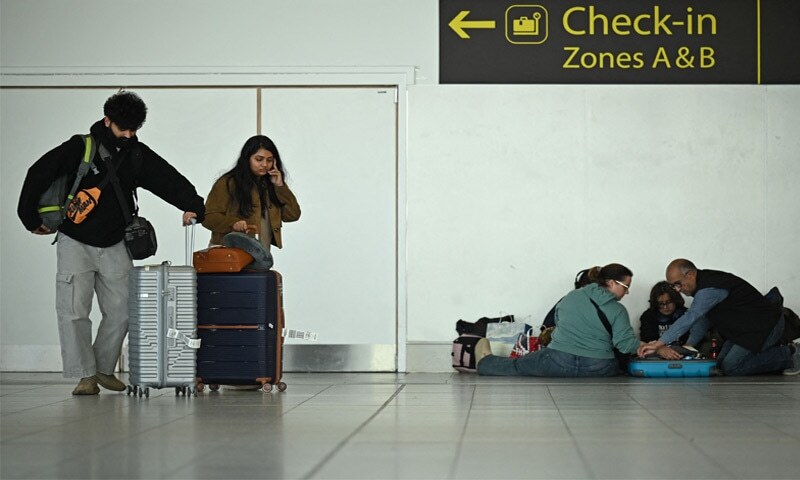
- February 25, 2026: Pakistan International Airlines (PIA) announces the suspension of all Gulf flights, joining global carriers amid "war zone" declarations; this follows similar halts by Emirates and Qatar Airways, slashing Pakistan's aviation revenue by an estimated 30% weekly.
- February 26, 2026: Unconfirmed reports via OSINT accounts on X (@OSINTanalyst) suggest Chinese naval assets docking in Gwadar, fueling speculation of troop deployments to secure CPEC routes against BLA sabotage.
- February 28-March 1, 2026: Intermittent BLA roadside bombs in Mastung district wound 8 security personnel; the army responds with cordon-and-search operations, displacing 5,000 locals.
Analysis of the Conflict's Dynamics
Balochistan's conflict underscores the intricate interplay between Pakistan's internal fractures and external geopolitical pressures. The province serves as a focal point due to its vast mineral resources, strategic Gwadar port, and CPEC centrality—valued at over $60 billion in Chinese investments. Historically marginalized, Baloch grievances over resource exploitation and military heavy-handedness have reignited, linking directly to current escalations. January's security operations, which killed 41 militants, mirrored past crackdowns like the 2018-2020 "Rah-e-Rast" but have inflamed separatist rhetoric, portraying Islamabad as a Punjabi-dominated oppressor.
External dynamics amplify risks. China's rumored military footprint—potentially 2,000-5,000 personnel for CPEC protection—threatens Pakistan's sovereignty optics, evoking fears of a "debt trap" evolving into territorial concessions. Beijing's stakes are high: BLA attacks on Gwadar pipelines and convoys have delayed projects by 20%. Flight cancellations, as reported by Dawn, exacerbate this: Gulf routes carried 40% of PIA's traffic, vital for $30 billion annual remittances. Economic fallout—projected GDP hit of 2-3%—could fuel unrest, as jobless youth bolster militant ranks.
Civilian impacts are dire: Recent airstrikes echo 2005-2010 operations, with 100+ displacements weekly. Humanitarian groups like the International Committee of the Red Cross (ICRC) report malnutrition spikes and clinic overloads, yet access is restricted. International relations warp internals: U.S. sanctions threats over Taliban ties pressure Islamabad, while India's alleged covert support to Baloch exiles (per Pakistani claims) internationalizes the strife.
What This Means
The implications of the ongoing conflict in Balochistan are profound. Escalation risks state fragmentation, with Balochistan's secession potentially inspiring Pashtun and Sindhi movements. Economically, flight bans signal investor flight, undermining IMF bailouts. For China, failure to secure CPEC erodes Belt and Road Initiative (BRI) credibility. The situation remains fluid, and the potential for further violence looms large as both internal and external pressures mount.
Key Locations
- Quetta: Provincial capital; hub of BLA urban attacks and military HQs; recent protests site.
- Gwadar: CPEC crown jewel port; Chinese investments epicenter; frequent sabotage target.
- Kech and Panjgur: Mountainous insurgent strongholds; airstrike hotspots with high civilian density.
- Chaman Border: Afghanistan-Pakistan crossing; flashpoint for Taliban incursions.
- Mastung: Rural ambush zone linking Quetta to coastal areas.
Timeline of Key Events
- January 2, 2026: Reports emerge of potential Chinese military deployment in Balochistan to safeguard CPEC; Pakistani officials deny but affirm "joint exercises."
- January 30, 2026: Pakistan security forces launch operations in Balochistan, killing 41 militants in Kech and Awaran; BLA vows retaliation, citing civilian collateral.
- February 24, 2026: Airstrikes in Panjgur kill militants but 18 civilians; UN calls for probe amid historical grievances from 1970s insurgency.
- February 28, 2026: Pakistan-Taliban border clash at Chaman kills dozens; echoes 2022 border tensions, straining Afghan relations.
- Historical Anchors: 1948: First Baloch uprising post-Pakistan accession; 1973-77: Major insurgency crushed by military, thousands dead; 2005-Present: Fifth insurgency wave; CPEC (2015) intensifies sabotage.
This timeline illustrates continuity: January operations built on historical military patterns, directly fueling February escalations as grievances compound.
Outlook
Watch for Chinese confirmation of deployments, which could trigger anti-China protests and BLA escalation, potentially drawing in Afghan Taliban for opportunistic strikes. If external pressures intensify—e.g., deeper Chinese involvement—internal dissent may surge, leading to violent spirals: urban sieges in Quetta or Gwadar sabotage halting CPEC entirely. Flight bans persisting beyond March could provoke labor unrest, destabilizing Punjab economic hubs.
Conversely, diplomatic pivots—U.S.-brokered talks or Saudi mediation—offer stabilization, though challenges abound: Baloch distrust of Islamabad and India's shadow role. Key triggers: Upcoming CPEC summit (March 15) or border flare-ups. Humanitarian corridors and autonomy concessions could de-escalate, but without addressing root inequities, prognosis leans volatile. International actors must prioritize aid access over arms; Pakistan policymakers face a sovereignty-economy tightrope.
*(Word count: 1535)






