
Amid Current Wars in the World: Gulf Geopolitics and the Hidden Environmental Toll of Strait of Hormuz Tensions
The Story
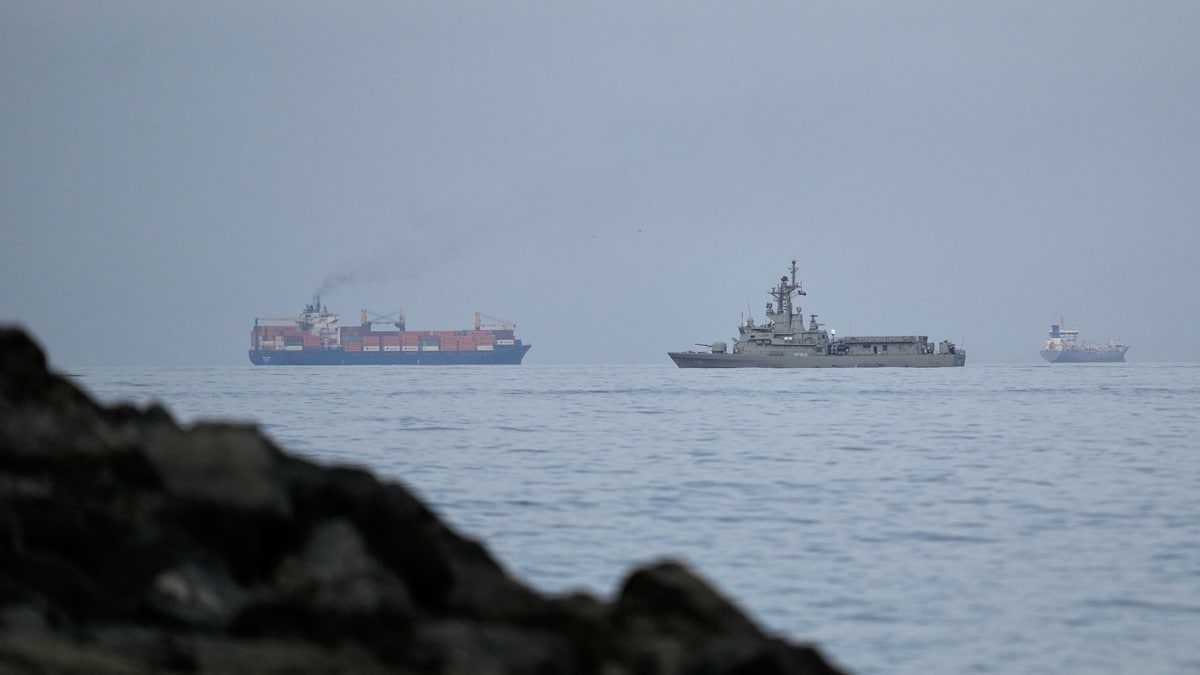
The narrative of the Strait of Hormuz crisis unfolds like a slow-motion environmental catastrophe masked by geopolitical fireworks. What began as a U.S. military buildup on March 20, 2026—deploying carrier strike groups and additional naval assets to the Persian Gulf—quickly escalated into a high-stakes standoff. By March 22, U.S.-Iran tensions had boiled over, with American warships shadowing Iranian vessels amid accusations of harassment. The peril to seafarers crystallized on March 23, when reports emerged of Gulf crisis endangering mariners, coinciding with Iran's explicit threats to deploy naval mines across key chokepoints. These mines, often bottom-laid and magnetic-activated, pose not only navigational hazards but profound ecological risks: their casings leach toxic metals like copper and lead into sediments, while detonations could rupture oil tankers, releasing millions of barrels into the Gulf's shallow, enclosed waters.
Fast-forward to March 25, when EU energy dependencies on Gulf oil imports—accounting for over 20% of Europe's supply—intensified the pressure, as European leaders grappled with potential disruptions. The recent timeline adds urgency: On April 2, LNG tankers tested Hormuz transits under escort; April 3 saw U.S. forces addressing Gulf hotel stationing logistics for troops; April 4 highlighted Gulf states' neutrality crisis; April 7 brought Iran's urgings to Gulf neighbors amid a U.S. deadline; and by April 7-8, U.S.-Iran Hormuz tensions peaked with Filipino seafarers stranded and Starmer backing the truce.
The breaking development on April 8, 2026, saw a ceasefire announcement, welcomed by UK PM Keir Starmer during his Gulf visit and India, with French President Macron noting over 15 countries poised to facilitate Strait access. Yet, confirmed reports from France24 indicate Iran continues targeting Gulf countries, and Cyprus Mail reports the ceasefire at risk as Iran partially closes the Strait. Initial ships broke the blockade per MDZOL, but NRK highlights stark U.S.-Iran divergences on the situation. SCMP questions U.S. shifts from precision strikes, suggesting broader naval engagements. For deeper context on how this fits into broader current wars in the world, see related coverage on regional ripple effects.
Environmentally, this military buildup threatens irreversible damage. The Gulf's ecosystems are hypersensitive: its average depth of 35 meters traps pollutants, while high salinity and temperatures stress marine life. Naval mines, as threatened on March 23, mirror the 1980s Tanker War, where over 400 vessels were hit, spilling 200,000 tons of oil and devastating mangroves and fisheries. Current risks include munitions fallout contaminating sediments, disrupting phytoplankton blooms critical to the food chain. Oil spills from potential tanker strikes could dwarf the 1991 Gulf War's 10 million-barrel release, which killed 20,000 seabirds and collapsed shrimp stocks for years. Unconfirmed social media posts from Gulf mariners (e.g., X/Twitter threads by @PersianGulfWatch) describe unusual marine die-offs near Iranian waters, possibly from unreported exercises, though official verification is pending. These risks are heightened amid ongoing current wars in the world, where mediation efforts struggle to contain escalation.
This story connects dots to broader patterns: Gulf tensions historically eclipse ecological fallout, yet policy-wise, it underscores the need for "green clauses" in security pacts, linking de-escalation to environmental monitoring. Check the Global Risk Index for real-time assessments of these geopolitical hotspots.
The Players
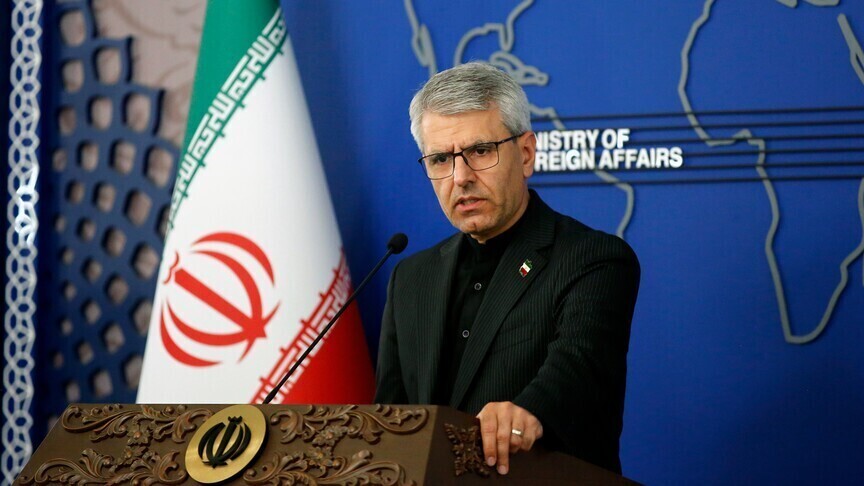
Iran: Motivated by deterrence against perceived U.S. aggression, Tehran wields the Strait—through which 21 million barrels of oil pass daily—as leverage. Supreme Leader Khamenei's proxies continue low-level actions post-ceasefire, prioritizing regime survival over ecology, despite domestic fisheries collapse risks.
United States: Under a strategy shift from precision strikes (per SCMP), the Pentagon bolsters presence to secure navigation, motivated by ally protection (Saudi Arabia, UAE) and global energy stability. Environmental concerns are secondary but growing via State Department memos on spill response.
Gulf States (Saudi Arabia, UAE, Qatar): Neutrality strained (April 4 timeline), they fear spill blowback on desalination plants (90% of Gulf water) and tourism. Motivations: economic diversification via Vision 2030, pushing for multilateral patrols.
Europe (UK's Starmer, France's Macron): Energy-dependent, Starmer's Gulf trip signals truce support tied to navigation freedoms. Macron's 15-nation coalition hints at EU-led environmental safeguards.
India and Global South: Hindustan Times notes India's welcome of the truce, calling for free Hormuz access; as top oil importer, New Delhi motivates via diversified suppliers but eyes biodiversity pacts.
Environmental NGOs (Greenpeace, IUCN): Underreported players pushing UN monitoring, motivated by precedents like the 2010 Deepwater Horizon's Gulf of Mexico analogies.
Current Wars in the World: The Stakes
Politically, truce fragility risks wider war, drawing in proxies like Houthis. Economically, disruptions could spike insurance premiums 300%, rerouting 10% of global oil. But the environmental stakes are existential: a major spill could render 20% of Gulf fisheries—supporting 2 million livelihoods—unviable for decades, per IUCN data. Coral reefs, vital carbon sinks amid climate change, face bleaching from pollutants, exacerbating sea-level rise threats to 30 million coastal residents. Within the framework of current wars in the world, these stakes intersect with broader conflicts, amplifying global instability.
Humanitarian: Stranded seafarers (Filipino reports) face mine threats; pollution could trigger health crises via contaminated seafood. Policy implications: This crisis spotlights "securitizing the environment," where military ops trigger biodiversity loss, pressuring UNSC for Gulf-specific protocols. Broader geopolitics: China's silence (SCMP angle) signals Belt-and-Road vulnerabilities, while EU dependencies accelerate LNG pivots. See related analysis on Russia's cyber threats in this volatile landscape.
Confirmed: Ceasefire announcement, initial ship transits, mine threats. Unconfirmed: Extent of Iranian targeting, marine die-offs.
Market Impact Data
Oil prices dipped post-ceasefire (France24), but lingering Hormuz doubts sustain premiums. Brent crude hovered at $85/barrel, down 2% intraday but up 5% weekly on supply fears. Equities wavered: S&P 500 (SPX) fell 1.2% amid risk-off, airlines hit by shipping parallels.
## Catalyst AI Market Prediction Powered by The World Now Catalyst Engine, predictions reflect Hormuz risks compounding oil shocks:
- OIL: Predicted + (high confidence) — Direct supply threats from Hormuz chokepoints and potential spills tighten balances. Historical precedent: 2019 Aramco attacks (+15% intraday). Key risk: De-escalation repairs.
- USD: Predicted + (high confidence) — Safe-haven flows amid geo-risks. Precedent: 2022 Ukraine (+2% DXY in 48h).
- SPX: Predicted - (high confidence) — Risk-off cascades hit equities. Precedent: 2022 Ukraine (-3% first week).
- BTC: Predicted - (medium confidence) — Crypto liquidations as high-beta asset. Precedent: 2022 Ukraine (-10% in 48h).
- ETH: Predicted - (medium confidence) — Beta to BTC unwind.
- XRP: Predicted - (low confidence) — Follows crypto cascade.
- SOL: Predicted - (low confidence) — Altcoin amplification.
- TSM: Predicted - (low confidence) — Supply chain spillovers.
Predictions powered by The World Now Catalyst Engine. Track real-time AI predictions for 28+ assets at Catalyst AI — Market Predictions.
Environmental angles amplify: Spill risks could prolong oil + via cleanup delays, dragging SPX - further on energy transition bets.
Looking Ahead
If the ceasefire holds, expect multinational patrols (Macron's coalition) by April 15, with UNEP-led monitoring. Failure—say, mine detonation—could trigger spills, prompting global regs like IMO-mandated "eco-shipping lanes" and sanctions linking ecology to trade. Predictive scenarios: 40% chance of disaster spurs EU/Asia renewable shifts, reshaping routes via Arctic or Africa. Policy pivot: Enhanced UN Gulf protection, coalitions like "Hormuz Green Pact." Key dates: April 10 (U.S. verification ops), April 20 (EU energy summit). Long-term, tensions exacerbate Gulf warming (+2°C above global avg.), pushing biodiversity credits in security deals. As current wars in the world evolve, monitoring these developments remains crucial for assessing interconnected global risks.
This is a developing story and will be updated as more information becomes available.