76,000 Displaced as Houthis Seize Yemen Red Sea Coast in Current Wars
Iran-backed Houthi rebels have seized control of Yemen's Red Sea coast and the strategic Mayun Island in the Bab al-Mandeb Strait amid current wars in the world, triggering intensified fighting with Saudi-backed government forces that has displaced at least 76,000 people since July.
Houthi Offensive Captures Key Red Sea Positions
Houthi forces have taken control of the island of Mayun, also known as Perim, tightening their grip on the eastern coast of the Red Sea and giving the group a strategic foothold in the Bab al-Mandeb Strait. [3] The takeover was confirmed on Friday by a senior military official of Yemen’s internationally recognised government and a Houthi official. [3] Houthi forces seized the port city of Mocha on Thursday. [3] The Houthis also control the areas surrounding the strait, including the island of Hanish and the entire Red Sea coastline of Yemen. [3] By controlling the island, which splits Bab al-Mandeb into two channels, the Houthis now have a physical outpost in the strait. [3] The Bab al-Mandeb Strait is crucial to global shipping as it is the southern entrance to the Red Sea with the Suez Canal at its northern end. [3] The strait has become even more important to shipping since the closure of the Strait of Hormuz in the Gulf on the other side of the Arabian Peninsula by the US-Israel war on Iran in March. [3] In 2021, the Saudi-led coalition fighting the Houthis said it had a presence on the island, after reports emerged of a UAE-linked airbase being built there. [3] The UAE ended its involvement in the Yemen conflict at the end of last year and withdrew troops, but the status of the airbase on Mayun Island is unclear. [3]
Displacement Crisis Worsens Rapidly
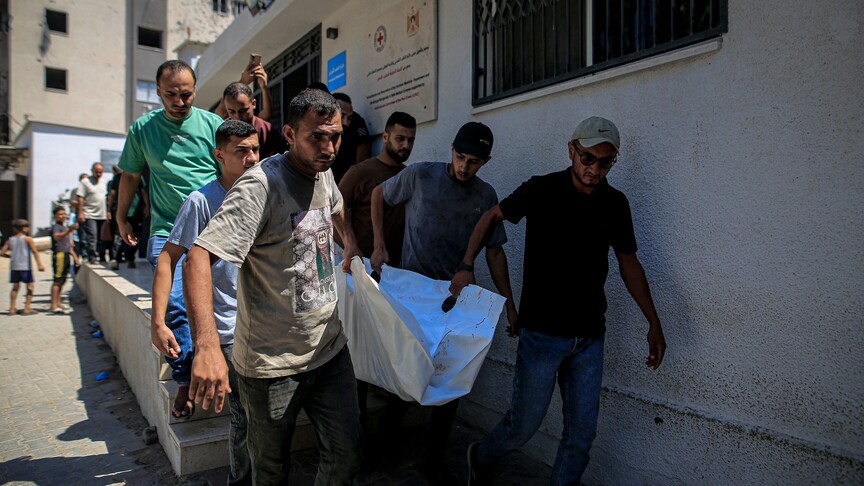
At least 76,000 people have been displaced in Yemen since July, with the number quadrupling in the past week as fighting flared between government forces and Iran-backed Houthi rebels, the United Nations said Saturday. [2] More than 70,000 of those displaced had fled just since the start of September. [2] The announcement came just a day after the agency put the number at 46,000 displacements since the start of the month, up from 18,500 announced Tuesday. [2] The displacements had happened across the west coast and Taiz areas. [2] Taiz was the hardest-hit, with some 8,300 households, or nearly 50,000 people, displaced from districts in that province alone. [2] Many of the families on the move had been displaced before, and some multiple times over Yemen's 12-year conflict. [2] They are exhausted. Their resources are gone. Most fled with nothing but the clothes on their backs. [2] IOM teams on the ground were distributing emergency supplies, including shelter materials and hygiene kits, warning though that needs are far outpacing what we can deliver. [2] The situation is deteriorating by the day. Displacement figures are expected to rise further in the coming days. [2]
Renewed Fighting and Houthi Attack on Saudi Base
Yemeni Houthi rebels claimed responsibility on Sunday for an attack on a military base in southern Saudi Arabia as renewed fighting with Yemen's government forces forced growing numbers of civilians to flee. [1] Fighting in western Yemen over the past few weeks has left hundreds dead and displaced tens of thousands of people. [1] The Houthis, who have for years controlled large parts of northern Yemen, launched a large-scale offensive against Saudi-backed Yemeni government forces, scoring one victory after another in fighting that has left hundreds dead. [2] Since the Houthis announced a maritime blockade against Saudi Arabia in July, at least 76,000 people have fled their homes. [2] That's four times last week's total, as fighting intensifies. [2] Entire families are on the move, often at night. They have nowhere safe to go. [2]
Implications for Shipping and Regional Powers in Current Wars in the World
The Houthis have said that general shipping in the Red Sea and Bab al-Mandeb is safe from attacks, except for vessels linked to Saudi Arabia, which they will blockade. [3] Houthi military spokesman Yahya Saree said the group would continue what his statement called a siege for siege and escalation for escalation strategy against Saudi Arabia, which has blockaded Houthi-held areas of Yemen. [3] The Houthis’ advance and seizure of the whole of Yemen’s Red Sea coast means the group now has the real capability to shut down any maritime traffic through Bab al-Mandeb if they want to. [3] That gives the rebel group a major advantage in its battle in Yemen against Saudi-backed government forces, their primary target. [3] It also benefits the Houthis’ ally, Iran, in its conflict with the US by giving Tehran new leverage over another global chokepoint and making its own blockade of the Strait of Hormuz even more efficient. [3] The development serves both the Houthis’ domestic aims as well as Iran’s negotiating position with the US and the world on other files, not just Yemen. [3] If the Houthis again expand their targets beyond Saudi vessels, their new positions could make it easier for them to strike passing ships. [3] The Houthis would be able to use shorter-range missiles rather than long-range artillery to attack the ships. [3] This makes it a very risky endeavour to pass through the strait if the Houthis don’t allow it. [3] Any further disruption on Red Sea shipping would have immense repercussions on an already strained global energy market. [3] War-risk insurance and charter rates can rise before cargoes are formally interrupted, and the resulting pressure extends beyond oil into container shipping, dry bulk and the wider cost of traded goods. [3] The technical supply shock from Houthi attacks therefore becomes an inflationary shock through several commodities at once. [3]
US and Saudi Reactions
Speaking to reporters during his visit to Ireland, US President Donald Trump said the Houthis had asked the US not to intervene in the conflict against Yemen’s internationally recognised government. [3] He said the Houthis called us. [3] They don’t want to fight us, they let us know. [3] They would much prefer not having us involved and they’re letting most ships go through. There’s just one country that they’re not too happy with and we’ll get that straightened out. [3] Trump added that Saudi Crown Prince Mohammed bin Salman is a good friend and everything will work out fine. [3]
What to watch next: The key will be to hold the coastal areas of the mainland and its hinterland, as the island itself is difficult to defend against an amphibious assault in the long run though such an assault would be a high-risk operation as well.