
58 Government Troops Die as Houthis Hit Marib and Hadramawt in Yemen Conflict Escalation
Yemeni government forces launched coordinated attacks on Houthi positions across multiple front lines in response to deadly Houthi missile and drone strikes that killed at least 58 government-aligned troops in Marib and Hadramawt, marking a sharp escalation in the Yemen conflict.
Recent Houthi Attacks
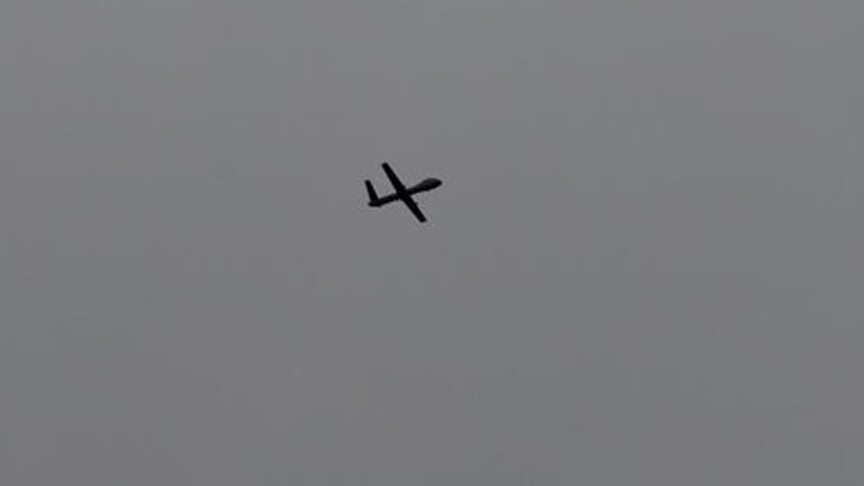
Yemen's Iran-aligned Houthis launched ballistic missiles and drones at displacement camps and residential neighbourhoods in the city of Marib on Friday, killing two people and wounding 14, according to state news agency SABA. [3] The Houthis also claimed responsibility for strikes the previous day against military positions in Marib and Hadramawt provinces, where at least 30 Yemeni government troops were killed according to government sources, though other reporting placed the toll at 58 government-aligned troops killed in the assault on 6 August. [3][1] The Houthis said they struck Saudi-backed forces, depots, vehicles and military equipment at Yemen's Sahn al-Jinn camp in Marib with missiles and drones. [3] The Houthis further attacked Saudi Arabia, striking the southern Najran region and injuring 11 civilians. [1] Additional attacks were reported in Marib on Friday. [1]
Government Military Response
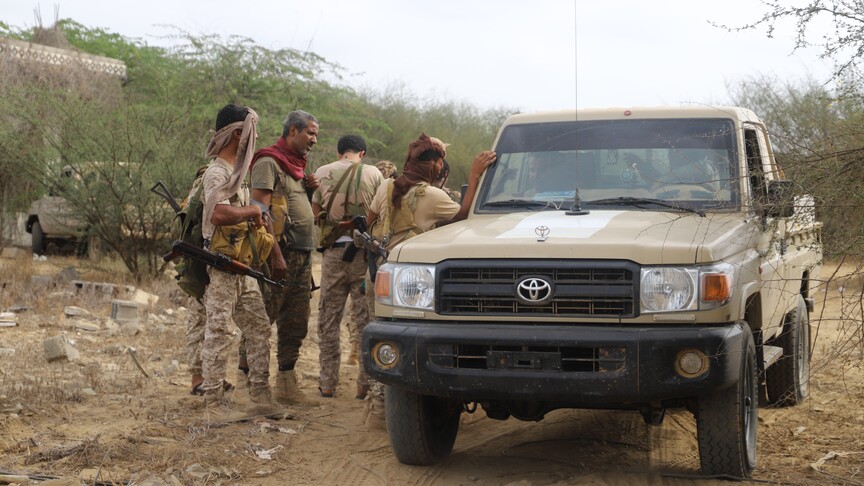
Yemen's armed forces said early on Saturday it had responded against Houthi forces on several fronts along the lines of contact. [3] The internationally recognised government said its forces targeted Houthi personnel and military capabilities in response to attacks on government-held areas, after the government-aligned Shabwa Defence Forces struck Houthi positions in southern Marib on Friday. [1] The army did not give details of the operations or say when they took place, but said it would respond to any further targeting of its units with what it called necessary military measures. [3] Yemen's armed forces launched an operation against Houthis in response to the attacks on military camps in Marib and Hadramawt. [4] Government forces engage a hostile drone west of Aden as part of the developments following the launch of operations against Houthis. [2]
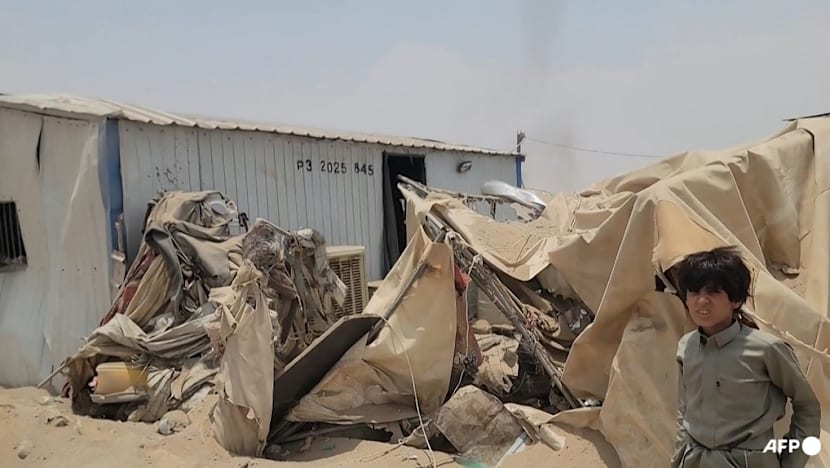
Houthis launch missile and drone strikes on government positions in Marib and Hadramawt. — Source: channelnewsasia
Breakdown of the 2022 Truce
The exchanges mark one of the sharpest breakdowns in the relative calm that followed Yemen's 2022 UN-brokered truce, which dramatically reduced nationwide fighting and left the country's main front lines largely frozen. [1] The 2022 truce had halted offensive military operations inside Yemen and across its borders and led to a sharp reduction in fighting. [3] The truce was twice extended before formally expiring in October that year, but large-scale hostilities did not immediately resume, and Yemen entered a period of relative calm. [3] For years after the 2022 truce, Yemen remained in a state of neither war nor peace, with the political conflict unresolved but front lines moving relatively little. [1] The renewed violence is unfolding in a very different regional environment, with Yemen's unresolved conflict increasingly intersecting with the wider confrontation involving Iran, the US and their respective allies. [1]
UN Warnings and International Reaction
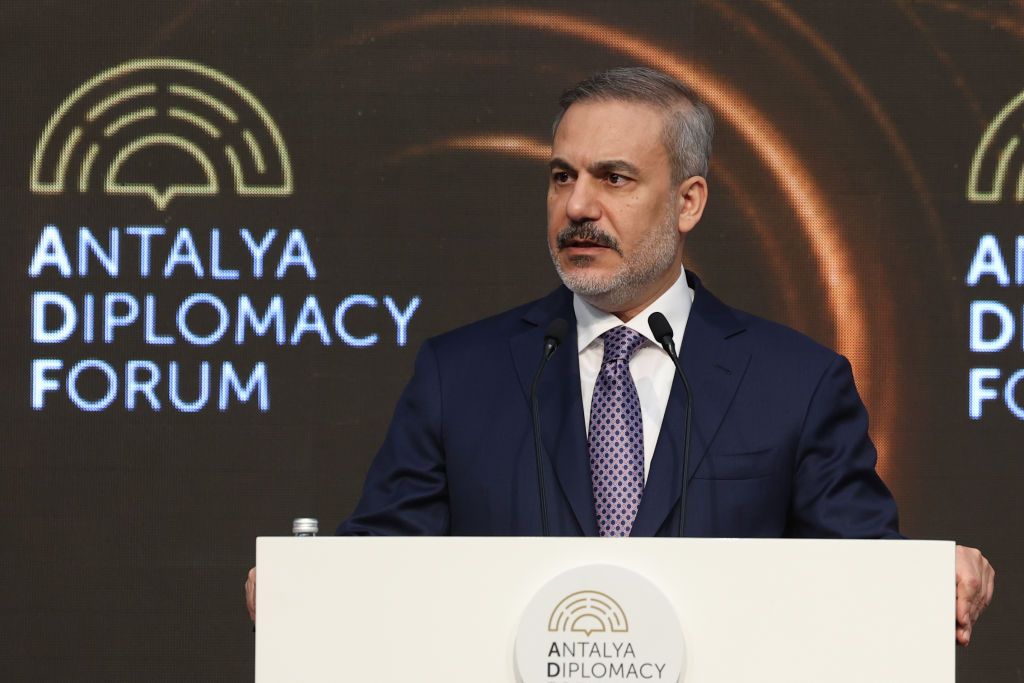
UN Special Envoy for Yemen Hans Grundberg said on Friday that the latest attacks in Marib and Hadramawt, together with renewed attacks on commercial shipping in the Red Sea and Gulf of Aden, had left Yemen at its greatest risk of renewed large-scale conflict since the UN-brokered truce in April 2022. [3] He urged all sides to exercise maximum restraint and engage in UN-led negotiations, warning that the violence risked drawing Yemen deeper into a wider regional confrontation. [3] The UN Security Council also expressed concern on Friday at the heightened tensions in Yemen, saying recent actions threatened regional security and navigational rights and freedoms, risked further escalation and undermined efforts to secure peace. [3] It urged the Houthis to refrain from escalation and encouraged the use of existing channels of dialogue to reduce tensions. [3] UN envoy warns Yemen faces greater risk of renewed large-scale conflict since 2022 truce and calls on the parties to exercise maximum restraint and stop actions that encourage military retaliation. [5]
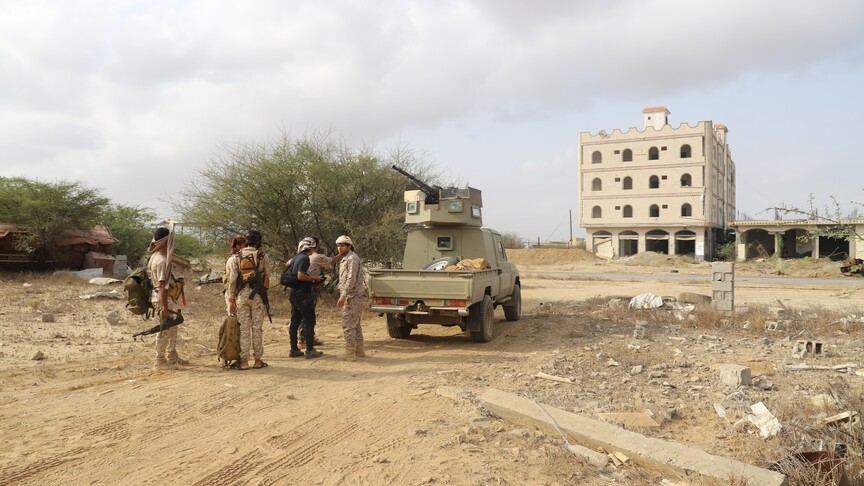
Yemeni government forces launch coordinated attacks on Houthi positions in Marib and Hadramawt. — Source: anadolu
Drivers of Houthi Escalation
Analysts link the Houthi escalation to both domestic fears of a Saudi-backed government offensive around Marib and a broader Iranian regional strategy to pressure the US and allies via Red Sea and Bab al-Mandab threats. [1] Nadwa Al-Dawsari, an associate fellow at the Middle East Institute, told The New Arab there are two dimensions to the current escalation. [1] The escalation in the Red Sea and against Saudi shipping is part of a broader Iranian strategy, with Iran working to increase the cost of the Iran war for the US and its allies to strengthen Tehran's position in negotiations with the US. [1] The Houthis are particularly useful in this regard because they can threaten a second major maritime chokepoint and Saudi economic interests without Iran having to do so directly. [1] Inside Yemen, the calculation is more immediate, as government forces have increased readiness on several front lines in recent weeks, particularly around Marib, with Saudi backing. [1] The Houthis fear these preparations could precede a Saudi-backed ground offensive, and by escalating now they are trying to disrupt those preparations, test government forces and potentially force them onto the defensive. [1]
Risks of Wider Conflict
The question is whether missile, drone and artillery exchanges remain confined largely to existing positions, or develop into sustained ground operations aimed at capturing territory. [1] At this point, it is less a question of if the frontlines will reopen than when. [1] The Yemeni government and Saudi Arabia appeared to be preparing more carefully for renewed fighting and trying to avoid mistakes made during earlier stages of the war. [1] Government forces are receiving greater military support and improving their readiness, while Riyadh is seeking broader US and regional backing. [1] The most dangerous possibility is that the two conflicts increasingly merge, with renewed fighting for control of Yemen becoming another theatre in the wider regional confrontation. [1] In that scenario, a war Riyadh spent years attempting to leave behind could once again place Saudi territory, Red Sea shipping and one of the world's most important maritime routes directly in the firing line. [1]
What to watch next: The UN Security Council has urged the Houthis to refrain from escalation while the UN envoy continues to call for maximum restraint and engagement in UN-led negotiations amid the risk of renewed large-scale conflict.