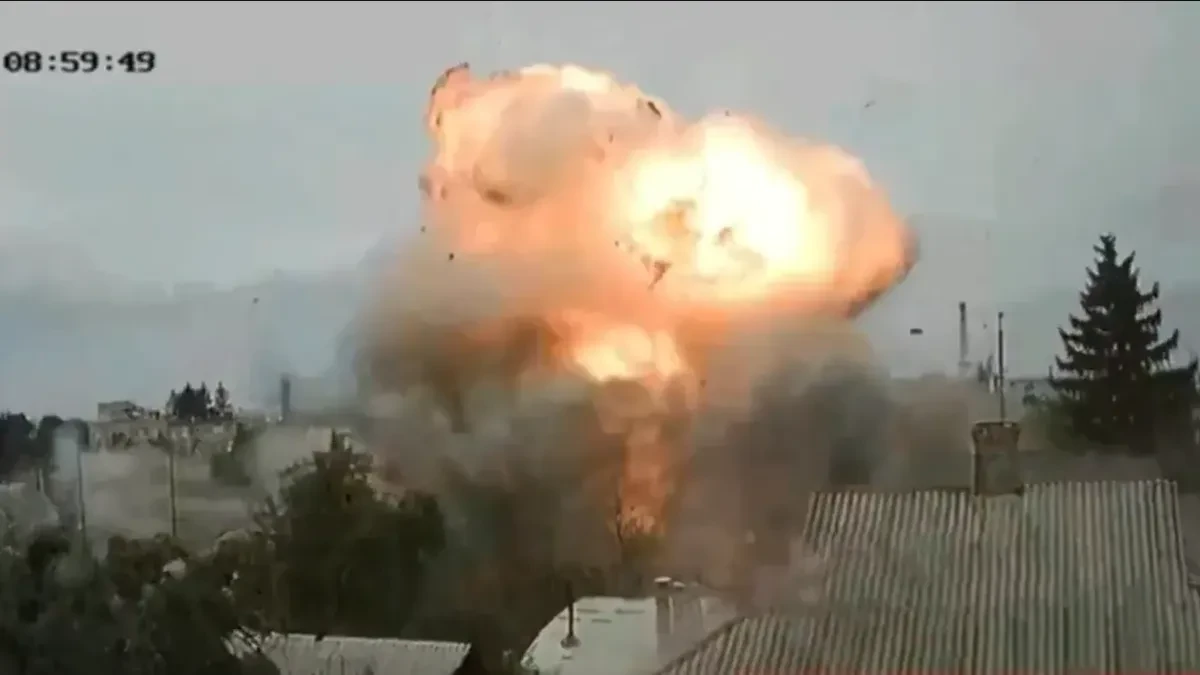
47 Killed in Lebanon Strikes After Israel-Hezbollah Ceasefire Announced
Israeli airstrikes killed 47 people in southern Lebanon on Friday shortly after a US official announced that Israel and Hezbollah had agreed to a ceasefire brokered by American and Qatari mediators, with the Lebanon strikes underscoring immediate challenges to the truce.
Ceasefire Announcement Followed by Fresh Strikes
The truce, which began at 4PM local time, was brokered by US and Qatari mediators following talks with Israel and Iran. [1] Lebanese state media reported an Israeli strike on the Jezzine area and drones over Tyre, with continuous artillery shelling heard in Nabatieh. [1] Rescue officials reported at least 12 air strikes in Nabatieh since the 4PM local time ceasefire began. [2] The violence is the worst since a US-Iran deal to halt the wider Middle East war. [1] This sequence of events shows how quickly the Lebanon strikes resumed even as mediators declared an agreement in place.
Casualties on Both Sides
Lebanon's health ministry stated the strikes killed 47 people including women and children and wounded 97, with specific deaths in Harouf, Haboush and al-Duweir. [2] In the Nabatieh district, nine people were killed in Harouf, seven in Haboush, and six in al-Duweir, including a child. [2] Hezbollah ambushed Israeli forces, destroying three tanks and killing four Israeli soldiers including a battalion commander. [2] Israel confirmed the ceasefire but said its forces would continue to remove immediate threats and respond to violations. [2] These parallel losses illustrate the human cost on both sides amid the Lebanon strikes that followed the announcement.
Israeli and Hezbollah Reactions
Israel confirmed the ceasefire but said its forces would continue to remove immediate threats and respond to violations. [2] Hezbollah secretary general Sheikh Naim Qassem declared that the project to eliminate Hezbollah has failed and that Israelis will withdraw from every last inch of Lebanese land. [2] Israel's far-right National Security Minister Itamar Ben Gvir responded to the deaths of Israeli soldiers by saying "Lebanon must burn... For every tear shed by an Israeli mother, 1,000 Lebanese mothers must weep". [2] Israeli military spokesperson Effie Defrin said Israel would "continue to remove immediate threats, respond to Hezbollah's violations, and do whatever is necessary to protect our civilians". [2] These statements reflect the hardened positions that persisted even after the Lebanon strikes and the ceasefire declaration.
Trump Administration's Frustration
US President Donald Trump has publicly criticized Israeli actions and called for a complete ceasefire on all fronts, while Vice President JD Vance rebuked hardline Israeli ministers. [1] Trump called on Thursday for a "complete ceasefire on all fronts", including from Israel, and has been increasingly critical of the high death toll from Israeli attacks on Lebanon. [1] Vance issued an extraordinary rebuke of hardline ministers in the Israeli government on Thursday for criticising the Iran deal, telling them to "wake up and smell the reality." [1] The memorandum of understanding declared a ceasefire in Lebanon as well as between the US and Iran, yet that has not been the reality on the ground. [2] Iranian Foreign Minister Abbas Araghchi accused Israel of wanting "permanent war" and insisted that any breach of the commitments set out in the memorandum of understanding "will be attributed to the US". [2] Trump's deal relies on each side reining in hardliners and showing restraint. [2]
Skepticism Among Displaced Lebanese
Displaced Lebanese expressed skepticism that Israel would abide by the agreement. [2] One man told Reuters news agency: "The agreement is good, and we all want an agreement, but the Israelis don't abide by it. How many times have they made agreements? More than once, they don't commit." [2] The US State Department said direct talks between the Lebanese government and Israel would resume in Washington next week, aimed at securing a "lasting peace". [2] Lebanese President Joseph Aoun told US Secretary of State Marco Rubio that a "comprehensive ceasefire" under which "Israeli attacks on Lebanese territory" ended was needed for the Washington talks to progress. [2] News of a ceasefire has been met with scepticism by displaced Lebanese people, who are doubtful Israel will abide by a peace deal. [2]
Broader Conflict Toll
More than 3,900 people have been killed, among them women and children, and more than 11,600 others wounded since the latest conflict began, according to Lebanon's health ministry. [2] Around a million people remain displaced, while dozens of communities in the south have been completely destroyed. [2] Lebanon was drawn into the war between Israel, the US and Iran shortly after it began, with Hezbollah launching rockets into Israel in retaliation for a strike that killed Iran's supreme leader. [2] Israel responded by launching a bombing campaign across Lebanon and occupying around 5% of the country's territory in the south, with the aim of driving back Hezbollah fighters from its northern border. [2] The overnight flare-up in southern Lebanon poses more problems for the broader effort to contain the fighting. [2]
What to watch next
Direct talks between the Lebanese government and Israel are set to resume in Washington next week under US auspices, with Lebanese President Joseph Aoun emphasizing the need for a comprehensive ceasefire before progress can occur.