
450 Displaced in Sudan’s North Kordofan as SAF-RSF Conflict Worsens Amid Current Wars in the World
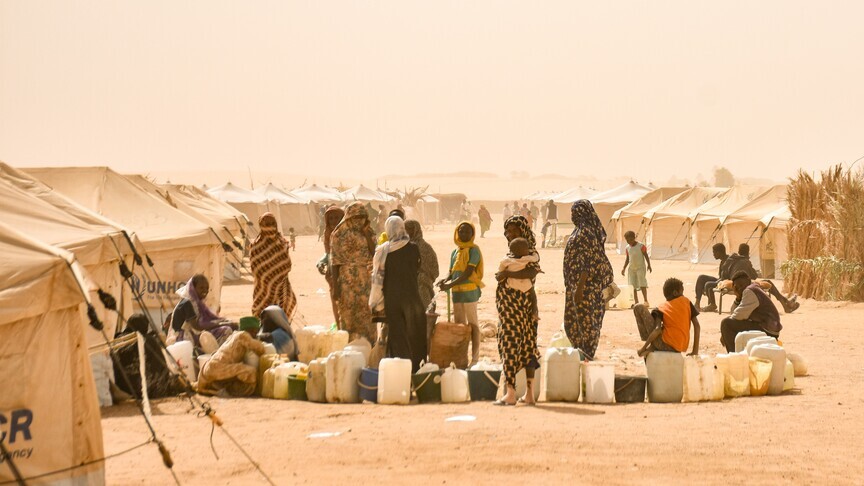
450 people were displaced in Sudan’s North Kordofan amid worsening insecurity as the conflict between the Sudanese Armed Forces and Rapid Support Forces continues to drive one of the world's most severe humanitarian emergencies in the context of current wars in the world. People fled Al-Gardud Abu Zeid village in Al-Rahad locality on Sunday according to the International Organization for Migration. [1]
Latest Displacement in North Kordofan
450 people were displaced in Sudan’s North Kordofan amid worsening insecurity as the conflict between the Sudanese Armed Forces and Rapid Support Forces continues to drive one of the world's most severe humanitarian emergencies. [1] People fled Al-Gardud Abu Zeid village in Al-Rahad locality on Sunday according to the International Organization for Migration. [1] The displacement occurred amid reports of insecurity that prompted residents to leave the village. [1] The International Organization for Migration documented the movement from the specific location in Al-Rahad locality. [1] This event reflects the immediate effects of insecurity on local populations in the area. [1]
Ongoing SAF-RSF Conflict Amid Current Wars in the World
The ongoing conflict between the Sudanese Armed Forces (SAF) and Rapid Support Forces (RSF) is driving unprecedented levels of displacement, violence, and suffering. [2] The Sudan crisis continues to represent one of the world's most severe humanitarian emergencies, with the conflict between the Sudanese Armed Forces (SAF) and Rapid Support Forces (RSF) driving unprecedented levels of displacement, violence, and suffering. [3] The conflict between the Sudanese Armed Forces (SAF) and Rapid Support Forces (RSF) is identified as the primary driver of these conditions across affected regions. [2] Recent analyses confirm that the SAF-RSF conflict sustains high levels of violence and population movement. [3]
Humanitarian Emergency Scale
The Sudan crisis continues to represent one of the world's most severe humanitarian emergencies, with the conflict between the Sudanese Armed Forces (SAF) and Rapid Support Forces (RSF) driving unprecedented levels of displacement, violence, and suffering. [2] The Sudan crisis continues to represent one of the world's most severe humanitarian emergencies, with the conflict between the Sudanese Armed Forces (SAF) and Rapid Support Forces (RSF) driving unprecedented levels of displacement, violence, and suffering. [3] These conditions have produced widespread effects on civilian populations and response capacities. [2] The scale of the emergency is tied directly to the ongoing SAF-RSF conflict dynamics. [3]
Recent Situation Analyses
Recent weekly situation analyses from 3-9 August 2026 and 10-16 August 2026 document the operational environment and sectoral conditions affecting humanitarian response. [2] The Sudan Situation Analysis covering 10-16 August 2026 provides a comprehensive analysis of the operational environment and sectoral conditions affecting humanitarian response. [2] The Sudan Situation Analysis covering 3-8 August 2026 similarly examines the operational environment and sectoral conditions affecting humanitarian response. [3] Both reports detail how the SAF-RSF conflict influences the broader humanitarian setting. [2] The analyses focus on conditions that shape aid delivery and access in the current period. [3]
Broader Implications for Aid Efforts
The Sudan crisis continues to represent one of the world's most severe humanitarian emergencies, with the conflict between the Sudanese Armed Forces (SAF) and Rapid Support Forces (RSF) driving unprecedented levels of displacement, violence, and suffering. [2] Recent weekly situation analyses from 3-9 August 2026 and 10-16 August 2026 document the operational environment and sectoral conditions affecting humanitarian response. [3] These reports indicate sustained challenges for organizations operating in the affected areas. [2] The documented conditions continue to shape the environment for ongoing humanitarian activities. [3]
What to watch next: Recent weekly situation analyses from 3-9 August 2026 and 10-16 August 2026 document the operational environment and sectoral conditions affecting humanitarian response. [2]