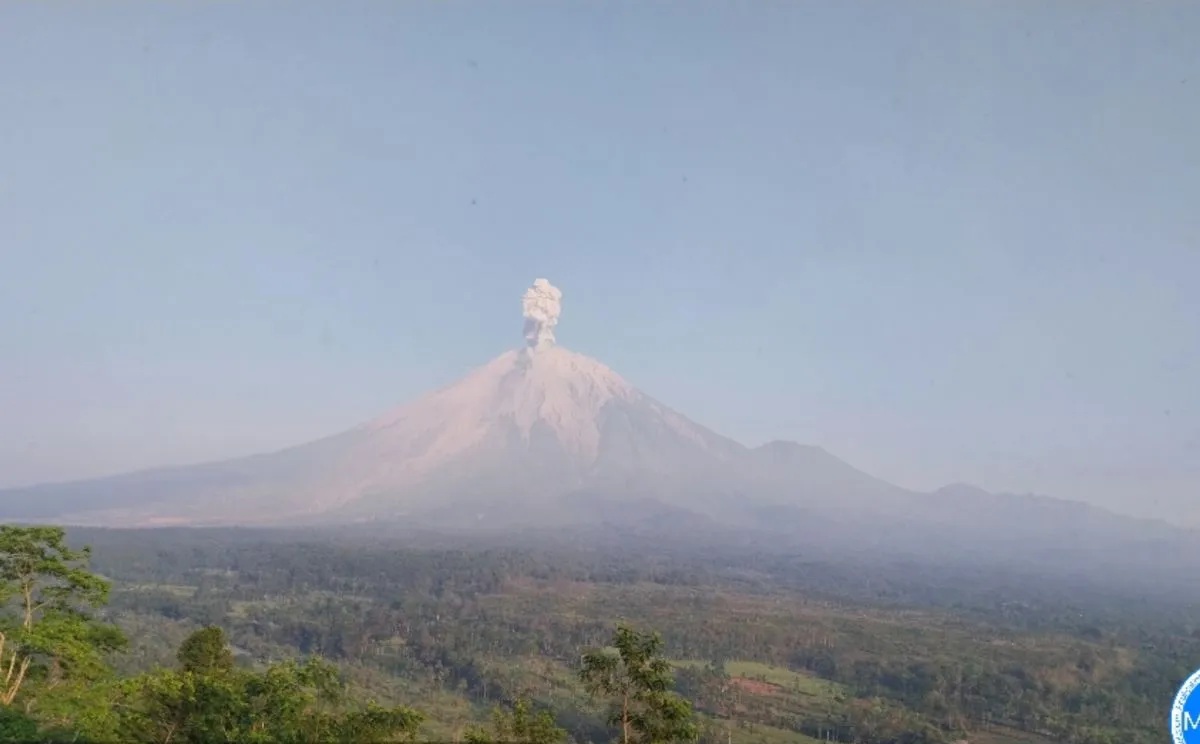
4-Kilometre Ash Cloud From Mount Etna Grounds Catania Flights for Third Day Amid Natural Disasters
Mount Etna in Sicily has erupted a 4-kilometre ash cloud, causing Catania Airport to ground all flights for three consecutive days and creating widespread travel chaos for passengers including those from the UK amid natural disasters. [1]
Mount Etna Eruption Triggers Flight Suspensions at Catania Airport During Natural Disasters
Catania Airport has suspended all flights until 11:59pm on September 28, 2026, marking the third day of closures due to the ash cloud from Mount Etna's north-east crater. [1] A red flight warning, the highest alert level, is in force, and two airspace sectors have been closed as the ash cloud moved toward Catania. [1] The suspension has been extended until 11.59pm on September 28, with flights to and from the destination cancelled or delayed. [1] It comes after the ash cloud emitted from the north-east crater and was seen moving towards Catania, closing two airspace sectors. [1] Following the latest eruption from Etna, a red flight warning is in force - the highest level of alert on a scale of four. [1]
Hazards of Volcanic Ash to Aviation
Mount Etna emits a 4-kilometre ash cloud grounding flights at Catania Airport. — Source: gdelt
Volcanic ash poses serious risks to aircraft by damaging jet engines, affecting instruments, reducing visibility, and making runways slippery, leading to cancellations even without direct lava threats. [1] Volcanic ash can pose a serious danger to aircraft, which is why eruptions can lead to widespread flight cancellations even when airports themselves are not directly threatened by lava. [1] The tiny, abrasive particles can be sucked into jet engines, where they can damage components and potentially cause engines to lose power. [1] Ash can also affect aircraft instruments, reduce visibility and make runways more slippery, particularly when the ash is wet. [1] The US Federal Aviation Administration (FAA) warns that flying into a volcanic ash cloud can be “exceedingly dangerous” and says avoiding encounters with ash is the most important precaution. [1] Volcanic ash clouds can also be difficult for pilots to spot and are not normally detected by airborne or air traffic control radar. [1]
Travel Disruptions for Passengers to and from Italy
There's travel chaos for holidaymakers to and from Italy after a volcano erupted a huge ash cloud. [1] Catania Airport has grounded all its flights to and from the airport, in Sicily, for three days in a row after Mount Etna erupted a 4-kilometre ash cloud. [1] The suspension has been extended until 11.59pm tonight (September 28), with flights to and from the destination cancelled or delayed. [1] It's the third consecutive day flights have been grounded at the airport. [1] Passengers flying to and from Catania Airport have been urged to check the status of their flight before travelling to the airport, The Express reports. [1] Several have since been cancelled for tourists, including flights to and from UK destinations. [1]
Blue Flame Phenomenon Observed at Indonesia's Papandayan Volcano
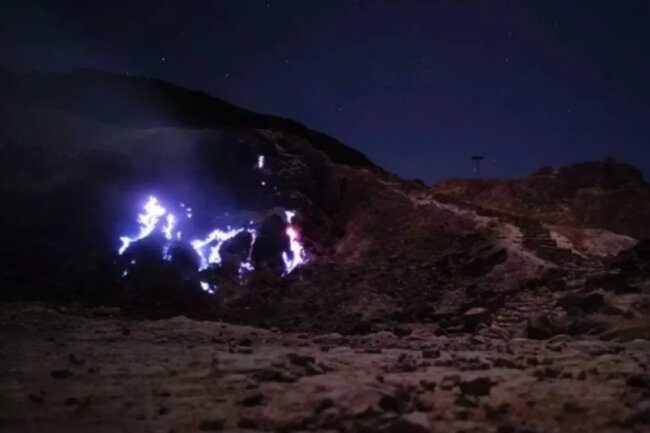
In Indonesia, blue flames were observed at the Manuk crater of Papandayan volcano in West Java, caused by burning sulfur gases at around 600 degrees Celsius, visible especially at night. [2] This rare effect, known as blue fire, was observed in the Manuk crater of the Papandayan volcano in West Java province. [2] According to PVMBG, the glow is caused by the interaction of hot sulfur-containing gas emerging from cracks in the earth's crust with oxygen in the air. [2] The blue flame occurs due to the high combustion temperature of sulfurous gases, reaching about 600 degrees Celsius, which makes this phenomenon especially noticeable at night. [2] The blue flame itself does not establish an eruption forecast. [2]
Safety Warnings and Monitoring in West Java
Indonesian authorities detected dangerously high concentrations of sulfur dioxide up to 230 ppm and hydrogen sulfide up to 120 ppm near the crater, warning of health risks and advising people to stay at least 500 meters away. [2] Agency of Geology staff who examined the surrounding area recorded sulfur dioxide concentrations of up to 230 parts per million and hydrogen sulfide up to 120 parts per million. [2] Specialists warned of a high health risk with prolonged exposure to such gas mixtures. [2] PVMBG representatives additionally reported that a steady smell of sulfur continues downwind from the crater. [2] Indonesian authorities recommended that tourists and residents not approach active craters closer than 500 meters and warned of the possibility of a sudden increase in the concentration of poisonous substances in the air. [2] The departments continue to monitor the situation and update safety recommendations depending on changes in volcanic activity. [2]
What to watch next: Indonesian authorities continue monitoring volcanic activity at Papandayan and will update safety recommendations based on changes, while Catania Airport remains closed until 11:59pm on September 28 under the red flight warning. [2] [1]