300 Children Killed in Gaza Over 300 Days as Strikes Continue
Israeli strikes in southern Lebanon killed one person, injured at least 20 others and caused two Israeli soldier deaths in an explosion, as ceasefire violations and displacement continue across multiple global conflict zones including Gaza, the West Bank, Sudan and Chad. Civilians in the Gaza Strip continue to face intense military strikes, shelling, gunfire and naval fire, among other threats to their safety. [1] Today, UNICEF said that at least 300 children have reportedly been killed in Gaza in the past 300 days – amounting to an average of one child every day. [1] Hundreds more children have reportedly been injured during the same period. [1]
Child Casualties Mount in Gaza Under Continued Strikes
As children continue to live under difficult conditions – including overcrowded shelters and limited access to safe water and health services – the UN and humanitarian partners are doing what they can to scale up assistance. [1] Last week, partners supporting child protection services distributed more than 800 hygiene kits, along with water containers and detergent, to 50 displaced families, including children and caregivers. [1] They also provided 300 child identification cards and 500 notebooks for children. [1] Last month, partners provided more than 500 children with disabilities with cash assistance, assistive devices, walkers, diapers, medical mattresses and rehabilitation services. [1] As part of efforts to address gender-based violence, partners reported the opening last week of a new safe space in North Gaza governorate. [1] This facility offers women and girls a confidential space where they can seek support and share experiences. [1] Across Gaza, some 8,400 women and girls take part in activities at 85 safe spaces every week. [1] Humanitarian organizations stress that to open more safe spaces and reach more people, they need additional funding and safe access to all areas. [1] The Office for the Coordination of Humanitarian Affairs reports that civilians in the Gaza Strip continue to face intense military strikes, shelling, gunfire and naval fire, among other threats to their safety. [1] UNICEF said that at least 300 children have reportedly been killed in Gaza in the past 300 days – amounting to an average of one child every day. [1] Hundreds more children have reportedly been injured during the same period. [1] As children continue to live under difficult conditions – including overcrowded shelters and limited access to safe water and health services – the UN and humanitarian partners are doing what they can to scale up assistance. [1] Partners supporting child protection services distributed more than 800 hygiene kits, along with water containers and detergent, to 50 displaced families, including children and caregivers. [1] They also provided 300 child identification cards and 500 notebooks for children. [1] Last month, partners provided more than 500 children with disabilities with cash assistance, assistive devices, walkers, diapers, medical mattresses and rehabilitation services. [1] Partners reported the opening last week of a new safe space in North Gaza governorate that offers women and girls a confidential space where they can seek support and share experiences. [1] Across Gaza, some 8,400 women and girls take part in activities at 85 safe spaces every week. [1] Humanitarian organizations stress that to open more safe spaces and reach more people, they need additional funding and safe access to all areas. [1]
Settler Violence and Israeli Operations Displace West Bank Palestinians
OCHA warns that settler attacks and operations by Israeli forces continue to affect Palestinians’ homes and livelihoods in the West Bank. [1] Last night, a group of Israeli settlers reportedly set fire to homes in the Palestinian community of Tuba, in the Masafer Yatta area of Hebron. [1] Three families – including 14 children – were displaced and sought safety with relatives and neighbours. [1] Several people were injured, including two children, and a solar power system and 10 tons of animal fodder were destroyed, along with other property. [1] Since the beginning of the year and as of the end of July, OCHA has documented more than 1,380 incidents involving Israeli settlers that resulted in casualties, property damage or both – averaging about 6.6 per day across 250 Palestinian communities. [1] During the same period, more than 2,300 Palestinians were displaced due to settler attacks and related access restrictions. [1] OCHA reiterates that Palestinians across the Occupied Palestinian Territory must be protected, and perpetrators must be held accountable. [1] Meanwhile, in the Jerusalem governorate, thousands of Palestinians in Qalandia Camp remain under closure for the second straight day, after Israeli forces launched a major operation there. [1] Humanitarian partners are unable to access the area safely, raising concerns over people’s safety and their ability to access emergency care, services and their workplaces. [1] OCHA warns that settler attacks and operations by Israeli forces continue to affect Palestinians’ homes and livelihoods in the West Bank. [1] Last night, a group of Israeli settlers reportedly set fire to homes in the Palestinian community of Tuba, in the Masafer Yatta area of Hebron. [1] Three families – including 14 children – were displaced and sought safety with relatives and neighbours. [1] Several people were injured, including two children, and a solar power system and 10 tons of animal fodder were destroyed, along with other property. [1] Since the beginning of the year and as of the end of July, OCHA has documented more than 1,380 incidents involving Israeli settlers that resulted in casualties, property damage or both – averaging about 6.6 per day across 250 Palestinian communities. [1] During the same period, more than 2,300 Palestinians were displaced due to settler attacks and related access restrictions. [1] OCHA reiterates that Palestinians across the Occupied Palestinian Territory must be protected, and perpetrators must be held accountable. [1] Meanwhile, in the Jerusalem governorate, thousands of Palestinians in Qalandia Camp remain under closure for the second straight day, after Israeli forces launched a major operation there. [1] Humanitarian partners are unable to access the area safely, raising concerns over people’s safety and their ability to access emergency care, services and their workplaces. [1]
Israeli strikes continue in Gaza where over 300 children have been killed in 300 days. — Source: gdelt
Lebanon Sees Fresh Displacement, Israeli Strikes and Soldier Deaths
Following yesterday’s Israeli displacement order for Mansouri in the South Governorate in Lebanon, some 30 families have been displaced to the city of Tyre, also in the South Governorate, according to local authorities. [1] All of these families are either now in collective shelters or staying with relatives, and humanitarian partners have mobilised immediate aid for them all. [1] Overnight, airstrikes in the municipality of Burj al-Shemali, near Tyre, reportedly left eight people injured, while another strike in the municipality of Tibnine in the Nabatieh Governorate killed one person and injured 12 others, according to the Lebanese Ministry of Public Health. [1] Humanitarian organizations also report that humanitarian needs remain high among displaced families returning to conflict-affected areas in the district of West Bekaa. [1] Nearly 90 per cent of displaced households have returned to their villages, but most say that their homes or businesses were damaged during the conflict. [1] Communities are also grappling with damaged schools and water infrastructure, disrupted livelihoods and growing safety concerns. [1] OCHA reiterates that humanitarian needs do not end when people return to their homes. [1] Continued humanitarian assistance and early recovery support remain critical to help displaced families, returnees and host communities rebuild their lives and recover. [1] The Israeli military said that two of its soldiers were killed in an explosion in southern Lebanon in the first Israeli deaths since the implementation of a truce between Israel and the Iran-backed Lebanese militant group Hezbollah in June. [4] Four other soldiers were seriously wounded, the military said. [4] An Israeli military official, who spoke on condition of anonymity in accordance with the army’s policy, said that “an explosion was detonated” when the soldiers entered a site in the village of Majdal Zoun and that the nature of the explosive was under review. [4] The Israeli army on Wednesday launched strikes in southern Lebanon in response to what it described as Hezbollah’s violation of the ceasefire and issued a call for residents of the village of Mansouri to flee — the first such warning Israel has issued in Lebanon for weeks. [4] The Lebanese Ministry of Health said that one person was killed and 12 wounded in an Israeli strike in the town of Tebnine on Wednesday. [4] The state-run National News Agency reported that others were wounded in overnight strikes on the village of Burj al-Shemali, but the number of people hurt was not clear. [4] Artillery shelling also targeted the areas of Mansouri and Majdal Zoun, it said. [4] The talks in Rome have focused on implementation of “pilot zones,” from which Israeli forces would withdraw and the Lebanese army would take control. [4]
Sudan Conflict Drives Displacement and Strains Aid Operations
OCHA reports that the UN and humanitarian partners continue to respond to growing needs as conflict, displacement and seasonal rains affect communities across Sudan. [1] In North Kordofan State, continued fighting is driving displacement towards the state capital El Obeid, as well as Khartoum. [1] Humanitarian partners report that between 60 and 150 displaced families are arriving in El Obeid each day. [1] According to the International Organization for Migration, more than 107,000 displaced people are now living in the locality of Sheikan, including over 83,000 in El Obeid town, putting more pressure on humanitarian services. [1] Despite ongoing challenges – including underfunding and insecurity – aid operations continue to expand in the Kordofan region and beyond, following recent food distributions in North Kordofan, where nearly 73,000 displaced people in El Obeid received assistance. [1] In South Kordofan State, the World Food Programme (WFP) recently provided July food rations to nearly 44,000 people in the towns of Kadugli and Dilling. [1] Food convoys also delivered additional supplies to Abassiya, Rashad and Abu Jubayhah localities. [1] Meanwhile, in South and East Darfur states, UNICEF, WFP and the World Health Organization have dispatched nutrition supplies to support the treatment of more than 10,000 children with severe acute malnutrition. [1] The pre-positioning of these supplies aims to ensure continued treatment, with the rainy season expected to make humanitarian access more difficult. [1] The UN and partners are also supporting families affected by recent flooding in White Nile and West Kordofan states. [1] In White Nile, nearly 1,000 families were affected by flooding at the Khor Ajwal displacement site. [1] In West Kordofan, flash floods have damaged 250 homes in Abu Zabad locality, as well as water and sanitation facilities in Al Udia locality, raising concerns about an increased risk of cholera. [1] OCHA continues to call on donors to provide additional funding. [1] This year's humanitarian appeal for Sudan is about 41 per cent funded, with $1.2 billion received against the $2.9 billion required. [1] OCHA reports that the UN and humanitarian partners continue to respond to growing needs as conflict, displacement and seasonal rains affect communities across Sudan. [1] In North Kordofan State, continued fighting is driving displacement towards the state capital El Obeid, as well as Khartoum. [1] Humanitarian partners report that between 60 and 150 displaced families are arriving in El Obeid each day. [1] According to the International Organization for Migration, more than 107,000 displaced people are now living in the locality of Sheikan, including over 83,000 in El Obeid town, putting more pressure on humanitarian services. [1] Despite ongoing challenges – including underfunding and insecurity – aid operations continue to expand in the Kordofan region and beyond, following recent food distributions in North Kordofan, where nearly 73,000 displaced people in El Obeid received assistance. [1] In South Kordofan State, the World Food Programme (WFP) recently provided July food rations to nearly 44,000 people in the towns of Kadugli and Dilling. [1] Food convoys also delivered additional supplies to Abassiya, Rashad and Abu Jubayhah localities. [1] Meanwhile, in South and East Darfur states, UNICEF, WFP and the World Health Organization have dispatched nutrition supplies to support the treatment of more than 10,000 children with severe acute malnutrition. [1] The pre-positioning of these supplies aims to ensure continued treatment, with the rainy season expected to make humanitarian access more difficult. [1] The UN and partners are also supporting families affected by recent flooding in White Nile and West Kordofan states. [1] In White Nile, nearly 1,000 families were affected by flooding at the Khor Ajwal displacement site. [1] In West Kordofan, flash floods have damaged 250 homes in Abu Zabad locality, as well as water and sanitation facilities in Al Udia locality, raising concerns about an increased risk of cholera. [1] OCHA continues to call on donors to provide additional funding. [1] This year's humanitarian appeal for Sudan is about 41 per cent funded, with $1.2 billion received against the $2.9 billion required. [1]

2Baba visits attacked Benue community and calls for an end to killings. — Source: premiumtimes
Chad Receives Emergency Funds for Lac Province Displacement
Yesterday, the Emergency Relief Coordinator, Tom Fletcher, allocated $3 million from the UN Central Emergency Response Fund to urgently help people displaced by violence in Chad's western Lac province. [1] The new funds will support thousands of displaced people with healthcare, nutrition and other essential services. [1] Since May, armed clashed have forced 60,000 people, mostly women and children, to flee across the departments of Fouli and Kaya. [1] Many families arrived at displacement sites which have little or no health, nutrition and protection services. [1] Yesterday, the Emergency Relief Coordinator, Tom Fletcher, allocated $3 million from the UN Central Emergency Response Fund to urgently help people displaced by violence in Chad's western Lac province. [1] The new funds will support thousands of displaced people with healthcare, nutrition and other essential services. [1] Since May, armed clashed have forced 60,000 people, mostly women and children, to flee across the departments of Fouli and Kaya. [1] Many families arrived at displacement sites which have little or no health, nutrition and protection services. [1]
Red Sea and Hormuz Shipping Attacks Add to Regional Instability
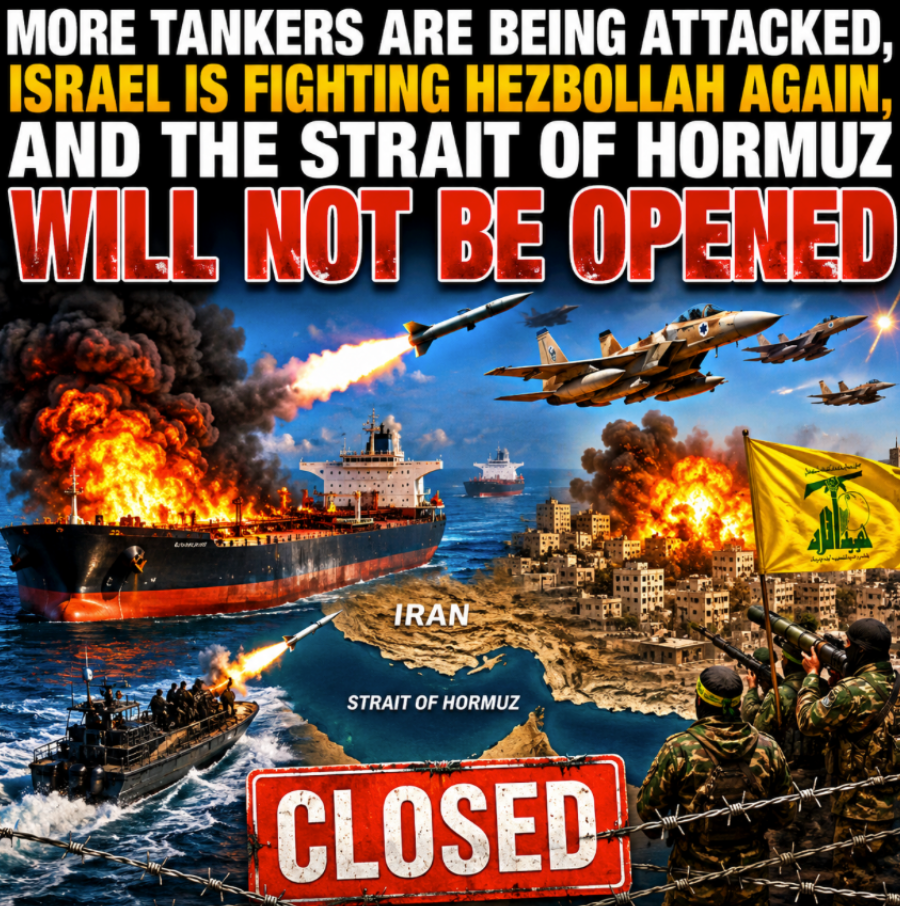
In the past 72 hours, at least 3 commercial vessels have been attacked in the vicinity of the Strait of Hormuz. [2] The United Kingdom Maritime Trade Operations (UKMTO) organization reported that a vessel in the Bab al-Mandab Strait was sunk on Tuesday during a drone attack. [2] The vessel was attacked by an Uncrewed Surface Vessel which caused a fire onboard. [2] The crew have been rescued by local authorities and are safe and well. [2] The ship sank off the coast of Al Mukha, Yemen. [2] The Houthis have been attacking commercial vessels in the Red Sea. [2] The Houthis have been striking Saudi oil tankers up and down the Red Sea for the past two weeks. [2] Also on Tuesday, the Houthis announced that they had successfully struck a Saudi oil tanker using ballistic missiles. [2] The Houthis hit another Saudi oil tanker named “Daisy” with a ballistic missile. [2] Yemen’s Iran-backed Houthis said Wednesday they had attacked another Saudi oil tanker, the second in a day as the rebels pressed on with their declared maritime blockade of the kingdom. [2] Houthi military spokesman Yahya Saree said in a statement the rebels targeted the Saudi oil tanker Daisy in the Gulf of Aden, south of the Bab el-Mandeb Strait, with a ballistic missile. [2] The attack appears to coincide with a tanker that reported hearing a “loud explosion in proximity to the vessel” to the U.K. Maritime Operations Centre. [2] Iran continues to strike commercial vessels as well. [2] The deal that has been negotiated is between Oman and Iran, and according to the Wall Street Journal the Iranians have made it clear that the Strait of Hormuz will only be opened if the United States meets certain conditions. [2] Iranian Foreign Ministry spokesman Esmail Baghaei told reporters Iran had reached an agreement with Oman to create a safe route through the Strait of Hormuz and that an outline of the main points was being completed. [2] Kazem Gharibabadi, deputy Iranian foreign minister, said the agreement with Oman wouldn’t necessarily open the waterway unless the U.S. met unspecified conditions, state media reported. [2] Reopening the Strait of Hormuz depends on the United States taking concrete steps to fulfill its commitments, the IRGC-affiliated Fars News reported, citing a source close to Iran’s negotiating team. [2] The source said Washington disrupted the normalization of shipping by violating the Islamabad memorandum, carrying out military attacks, imposing a naval blockade and revoking waivers for Iranian oil and petrochemical exports. [2] The source added that even if an Iran-Oman understanding is finalized, reopening the strait would require separate arrangements that include implementation of US commitments. [2] The Israeli government is going to do what it feels is right for Israel, and today there was fresh fighting in southern Lebanon after Hezbollah committed a blatant ceasefire violation. [2] Israel’s military resumed strikes in southern Lebanon on Wednesday despite ongoing talks, blaming a ceasefire violation by militant group Hezbollah. [2] The fresh strikes, accompanied by the first evacuation warning in weeks, came as the United States led diplomacy between Israel and Lebanon in Rome aimed at putting an end to hostilities, with Beirut seeking Israel’s phased withdrawal from the south. [2] “In response to a blatant violation of the ceasefire by the Hezbollah terrorist organisation, the IDF has begun conducting precise strikes in southern Lebanon,” the military said in a statement, shortly after telling residents to evacuate the town of Mansouri in the south. [2] Since ending the war in Lebanon is one of the conditions that Iran has set for opening the Strait of Hormuz, the Strait of Hormuz will not be opened any time soon. [2]
What to watch next: The talks in Rome are set to resume after ending early due to the escalation on the ground, with focus on implementation of pilot zones from which Israeli forces would withdraw and the Lebanese army would take control.