
18 Dead as Houthi Attacks Halt Operations at Riyadh Airport
Deadly Houthi Strikes Hit Saudi Airports
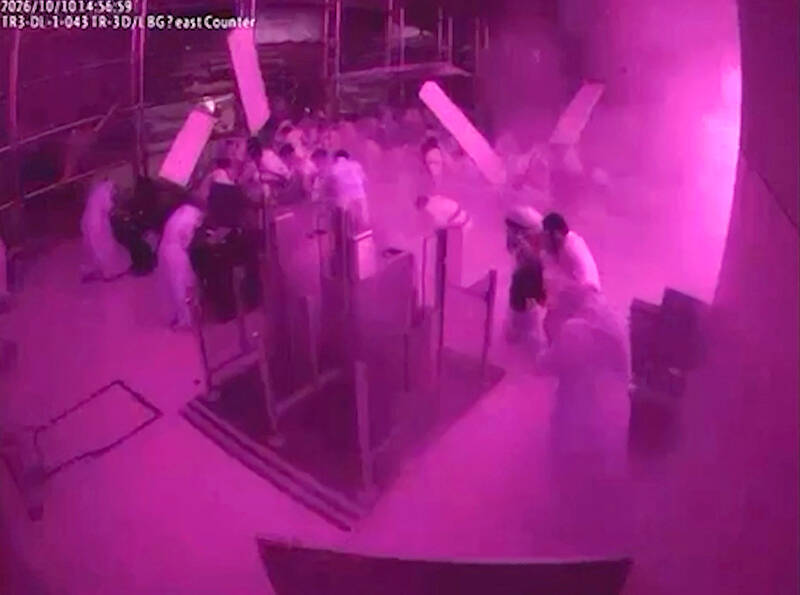
Saturday’s strike on Riyadh’s King Khalid International Airport killed 13 people and wounded hundreds, marking the deadliest attack on Saudi soil in more than a decade. Four people died in earlier attacks on Wednesday and Thursday, and another was killed on Sunday. A Monday strike on Dammam airport killed one person and wounded 11 others. Operations remained suspended at Riyadh airport on Monday, with air defences intercepting missiles and drones amid multiple blasts reported in the capital. The Saudi-led coalition also intercepted a ballistic missile heading for Khamis Mushait. CCTV footage released by Saudi authorities showed Muslim pilgrims in religious attire waiting in departure lounges before a sudden flash tore through the building and brought down flaming debris. Witnesses described chaos, with one 32-year-old Riyadh resident stating that some had lost a hand or an arm and people were running while carrying injured people covered in blood. Another resident in the Al-Aarid neighbourhood said the whole house shook after hearing blasts on Sunday. The fresh attack on Riyadh airport killed one Pakistani resident and wounded 11 others, causing property damage whose extent is still being assessed. [1] [2] [3]
Saudi Government Vows Serious Response
Saudi Energy Minister Prince Abdulaziz bin Salman stated that the events tested the kingdom’s infrastructure, institutions, people and resilience. He declared that energy security cannot be taken for granted and that the response must be equally serious. The Saudi-led coalition called Saturday’s attack a full-fledged war crime and vowed to respond decisively. Despite vast spending on military hardware, the attacks on oil, military and transport facilities across the large, mostly desert country are stretching Saudi defences. Analyst Thomas Juneau of Ottawa University noted that Saudi air defences have intercepted some attacks but that the country is so large it is simply impossible to consistently defend everywhere. [1] [3]
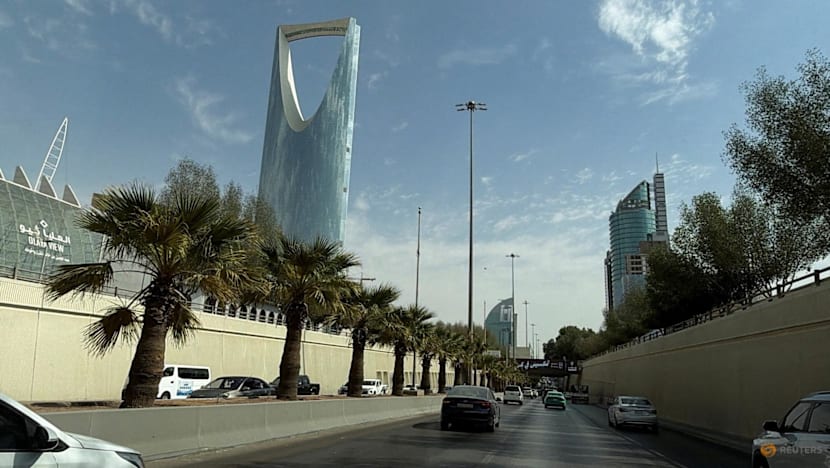
Houthi missile and drone strikes damage Riyadh's King Khalid International Airport, killing 13 people. — Source: channelnewsasia
Houthi Claims and Ongoing Threats
The Iran-backed Houthis claimed multiple attacks on Saudi transit hubs over the previous 24 hours and threatened to continue targeting them as a theatre of operations for their forces. The group has been attacking Saudi airports and oil facilities since last week as part of a rapidly escalating conflict that has spilt over from the wider regional conflagration between the United States and Iran. Saudi Arabia leads an international coalition that has supported Yemen’s government militarily since 2015. The Houthis now want to do to Saudi Arabia what Saudi Arabia does to them, according to Juneau. Incoming drones and missiles were reported by the Saudi-led coalition on Monday, though there was no immediate news of whether they were intercepted. [1] [2] [3]
Impact on Saudi Economy and Events
The attacks have disrupted Saudi Arabia’s economic reform drive and major events including the Future Investment Initiative. Oil prices topped $105 a barrel. Riyadh hosts a packed calendar of events at this time of year, including its flagship Future Investment Initiative conference. Saudi Energy Minister Prince Abdulaziz bin Salman said the kingdom would stay focused on bringing in investment as part of its wider economic development goals, adding that the development of the energy system and industrial capability continues. Authorities extended the closure of Riyadh airport by 24 hours. The civil aviation authority reported another attack on Dammam airport. [1] [3]
International Reactions and Regional Tensions
The attack drew condemnation from the United Nations and leaders including US President Donald Trump, who said he was considering joining Saudi strikes against the Houthis. Iran said it was deeply concerned over the recent escalation. Saudi Arabia’s neighbour, the United Arab Emirates, called for a revival of joint Gulf action on security and defence in response to the attacks. UAE presidential adviser Anwar Gargash said the targeting of Saudi Arabia undermined the security of all Gulf states. Iran offered to mediate between its Houthi allies and the kingdom, with foreign ministry spokesperson Esmaeil Baqaei stating readiness to help facilitate dialogue between the parties. [1] [3]
Limits of Saudi Air Defences Exposed
Analyst Thomas Juneau said Saudi air defences have been able to intercept some Houthi missile and drone attacks, but the country’s size makes consistent defence impossible. The cost-exchange ratio is devastating, with a single Patriot interceptor costing between three and four million dollars while a Houthi drone costs as little as $20,000 to $50,000. Saudi Arabia is now running low on air-defence interceptors, shifting batteries around the country to protect palaces and energy infrastructure while seeking emergency assistance from Pakistan and other allies. The Houthis defeated the multi-billion-dollar defensive shield not through superior technology but through superior arithmetic, combining low-altitude radar-evading cruise missiles, swarms of cheap suicide drones, and heavy ballistic missiles timed to exploit defensive windows. [1] [3]
What to watch next: The Saudi-led coalition continues responding to drone and missile threats, while the United States evaluates direct military action against Houthi infrastructure following the death of an American citizen and the UAE pushes for revived joint Gulf security measures.





/file/attachments/2999/13950161_903283.jpg)
