Stock · Catalyst AI Analysis
AI-powered meta stock prediction connecting real-time geopolitical events to Meta price movements
Current Price
$613.71
24h Change
-3.8%
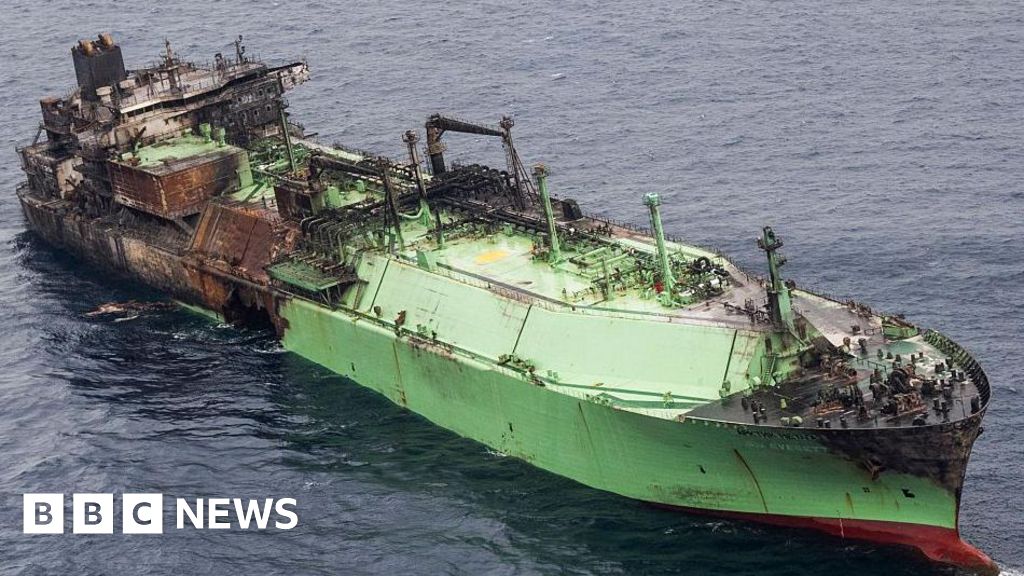
International operations led by Meta and Thai authorities disabled 150,000 scam accounts and arrested suspects, while seizing 284 tonnes of illegal e-waste. A Thai ship attack with crew trapped underscores rising organized crime risks in regional trade and security.
US and Israeli strikes on Iran have led to a new supreme leader and heightened regional tensions. Oil prices surged above $100 per barrel, threatening global energy markets and prompting central banks to adjust policies.
Former President Trump is withholding support for other bills until the Save America Act, requiring proof of citizenship for voting, is enacted. This legislative push highlights election integrity concerns and could influence upcoming elections and policy debates.
US and Israeli strikes on Iran have triggered leadership changes and threats to oil supplies, heightening global tensions. Surging oil prices above $100 per barrel are disrupting markets and prompting central banks to rethink policies.
US and Israeli strikes on Iran have driven oil prices above $100 per barrel, disrupting energy supplies. This conflict risks prolonged economic instability and forces nations to reassess trade and security alliances.
President Trump insists on passing the Save America Act, requiring voter ID for elections, amid legislative delays. This move underscores Republican priorities on election integrity and immigration reforms.
Meta disabled 150,000 accounts in a crackdown on Southeast Asian scam networks, involving international law enforcement. Attacks on Thai ships with crew trapped underscore rising maritime threats, impacting regional trade and security.
Oil prices have surged due to the Iran conflict, prompting US release of strategic reserves. US trade investigations into multiple countries could escalate tensions amid slowing economic growth.
Iran's new leader sparks oil surge amid tensions, hitting stocks.
Iran's new leader sparks oil surge amid stock declines.
Iran's new leader sparks oil rally amid stock declines from tensions.
Iran's leadership shift drives oil surges and stock declines amid tensions.
Iran's leadership change sparks oil surge amid tensions, hitting stocks.
An accurate meta stock prediction requires understanding both company-specific fundamentals and the broader geopolitical environment that shapes market conditions. Meta's stock price is driven by earnings growth, revenue trajectory, competitive positioning, sector dynamics, and macroeconomic conditions including interest rates, inflation, and global trade flows. Geopolitical events add an additional layer of complexity by disrupting supply chains, shifting regulatory landscapes, and altering consumer and enterprise spending patterns.
Our Catalyst AI engine connects geopolitical events to specific stock impacts through causal chain analysis. Rather than generic statements about market volatility, Catalyst identifies the precise transmission mechanism — from event to sector impact to company-specific revenue or cost implications — providing meta stock prediction intelligence grounded in fundamental analysis.
Geopolitical events affect individual stocks through multiple channels: direct revenue impact from affected regions, supply chain disruptions that increase costs or delay production, regulatory changes that alter competitive dynamics, and broad market sentiment shifts that reprice risk assets. The specific exposure varies significantly by company — a firm with 30% of revenue from a sanctioned country faces fundamentally different risks than a domestically focused competitor.
For Meta, our Catalyst engine evaluates geographic revenue exposure, supply chain dependencies, and regulatory sensitivity to determine how specific geopolitical events will transmit to the stock price. The 2018 US-China trade war demonstrated how tariff escalation can cause 20-30% drawdowns in exposed technology stocks, while the 2022 energy crisis showed how supply disruptions create both winners and losers within the same sector.
Sector rotation during geopolitical crises creates additional dynamics — investors shift capital from high-beta growth stocks to defensive sectors during risk-off periods, then reverse these flows when uncertainty subsides. Understanding where Meta sits in this rotation framework is essential for accurate short-term predictions.
Modern technology companies are deeply integrated into global supply chains, making them sensitive to trade disruptions, export controls, and manufacturing concentration risks. Semiconductor supply chain disruptions in 2021-2022 demonstrated how component shortages can constrain revenue even when demand is strong. For Meta, understanding these supply chain vulnerabilities is critical for predicting how geopolitical events will affect operational performance and earnings.
Regulatory risk has become increasingly important for meta stock prediction as governments worldwide implement new frameworks around data privacy, artificial intelligence, antitrust, and digital markets. The EU's Digital Markets Act, US executive orders on AI, and various national data sovereignty laws create both compliance costs and competitive advantages depending on company positioning. Our Catalyst engine tracks these regulatory developments and assesses their company-specific impact.
Historical market corrections provide calibration for meta stock prediction during geopolitical stress. The COVID-19 crash of March 2020 saw major tech stocks decline 30-40% before staging historic recoveries, while the 2022 rate-hiking cycle caused a more prolonged repricing of growth stock valuations. The speed and magnitude of recovery depends on whether the shock is temporary (pandemic lockdowns) or structural (persistent inflation).
These precedents inform our AI prediction model, which evaluates current geopolitical events against historical analogues to estimate likely drawdowns and recovery timelines for Meta. By quantifying the specific transmission mechanism and comparing event severity to historical benchmarks, Catalyst generates calibrated predictions rather than generic directional calls.
Meta's stock price is influenced by company earnings, revenue growth, sector dynamics, macroeconomic conditions, and geopolitical factors. Supply chain disruptions, regulatory changes, and trade policies affecting key markets can create significant price volatility.
Geopolitical events can affect Meta through supply chain disruptions, revenue exposure to impacted regions, sector rotation as investors shift risk, and changes in the regulatory environment. The specific impact depends on Meta's geographic revenue mix and the nature of the geopolitical event.
Our Catalyst AI engine generates continuously updated Meta predictions based on real-time geopolitical event analysis rather than static annual price targets. Each prediction includes direction, estimated impact range, confidence level, and timeframe informed by current global events.
Meta's performance during downturns depends on the nature of the crisis and the company's specific exposure. Technology stocks generally underperform during rate-driven selloffs due to long-duration cash flow profiles, while defensive sectors hold up better. Historical patterns during past crises provide calibration.
Trade conflicts can impact Meta through tariffs on key inputs or products, restricted market access, supply chain reshoring costs, and broader sentiment effects. The 2018 US-China tariff escalation caused significant tech stock declines as companies faced higher costs and potential revenue loss.
Access the full Catalyst dashboard with live event feeds, AI predictions for 28 assets, and detailed market impact reports.
Disclaimer: The predictions and analysis on this page are generated by AI based on geopolitical event analysis and should not be considered financial advice. Past performance and historical patterns do not guarantee future results. Always conduct your own research and consult a qualified financial advisor before making investment decisions.