
Zelenskyy Hails Near-Finalization of U.S. Security Pact Amid Kyiv's Winter Heating Crisis
Kyiv, Ukraine – Ukrainian President Volodymyr Zelenskyy announced on January 9, 2026, that a bilateral security guarantee agreement with the United States is nearly finalized, marking a potential milestone in Western support for Ukraine's defense against Russia's ongoing invasion. This diplomatic breakthrough comes as Russian strikes have plunged Kyiv into a severe winter heating crisis, exacerbating hardships for residents amid freezing temperatures.
Zelenskyy's statement, delivered late Friday, underscores intensifying efforts to secure long-term security assurances from Washington. The pact, described as providing significant diplomatic developments, aims to bolster Ukraine's position in the protracted conflict now entering its fourth year. Details remain sparse, but the announcement signals progress in negotiations that could include military aid commitments, intelligence sharing, and reconstruction support, similar to bilateral agreements Ukraine has signed with other NATO allies.
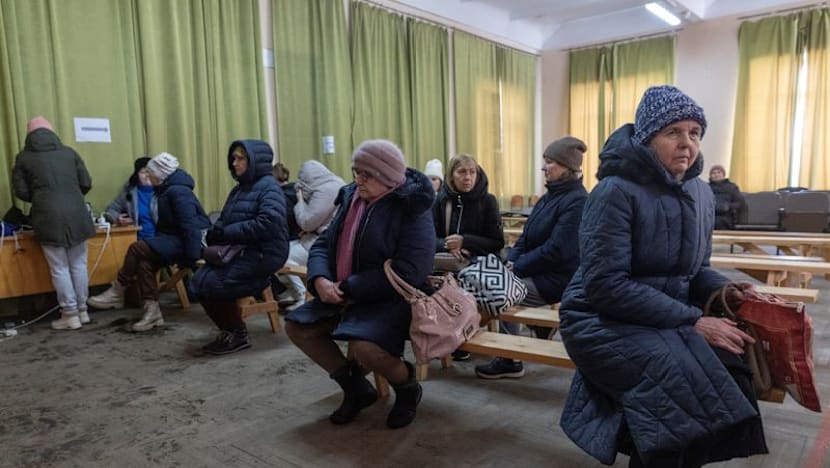
The timing of the revelation coincides with dire conditions on the ground. Russian attacks have knocked out heating infrastructure across Kyiv, leaving homes frigid as winter deepens. Published reports from Channel News Asia on January 10 detail how the loss of heat has pierced into residents' lives, with families bundling in layers and relying on makeshift solutions amid sub-zero conditions. "Russia's actions have resulted in a loss of heating in homes in Kyiv during winter, impacting residents significantly," the report states, highlighting the human cost of infrastructure targeting.
This latest escalation in energy warfare fits a pattern Russia has employed since late 2022, systematically striking Ukraine's power grid and heating systems to demoralize the population and strain resources. Ukrainian energy officials have reported repeated missile and drone barrages on thermal plants and substations, reducing the country's power generation capacity by over 50% at peak winter demand. In Kyiv alone, blackouts and heating failures affected tens of thousands, prompting emergency measures like distributing wood for stoves and deploying mobile generators.
Zelenskyy's pact announcement appears positioned as a counterweight to these pressures. Speaking in a video address, he emphasized the U.S. deal's role in ensuring Ukraine's "irreversible path" toward security. "This is a significant step that will strengthen our defense capabilities and deter further aggression," Zelenskyy stated, according to official transcripts. U.S. officials have not yet confirmed the near-finalization but have historically framed such pacts—modeled after Article 5-like guarantees without full NATO membership—as vital to Ukraine's survival.
Background on Ukraine's Geopolitical Landscape
The Russia-Ukraine war, ignited by Moscow's full-scale invasion on February 24, 2022, has reshaped global geopolitics. Russia controls approximately 20% of Ukrainian territory, including Crimea and parts of Donetsk, Luhansk, Kherson, and Zaporizhzhia regions. Western sanctions have isolated Russia economically, while Ukraine has received over $100 billion in military aid from the U.S. and EU allies.
Security pacts have become a cornerstone of Ukraine's strategy. Since 2024, Kyiv has inked 20-year agreements with nations including the UK, France, Germany, and Poland, pledging training, weapons, and rapid response mechanisms. The U.S. pact, delayed by domestic political debates in Washington, represents a capstone. It follows stalled NATO accession talks and comes amid uncertainty over U.S. policy under evolving administrations.
Russian President Vladimir Putin has dismissed such deals as provocative, warning they prolong the conflict. Moscow's winter campaign intensifies pressure, with recent strikes coinciding with peace talks in neutral venues like Saudi Arabia yielding no breakthroughs. Ukraine reports over 1,000 civilian deaths from energy infrastructure attacks since October 2025.
International observers note the dual fronts: military and humanitarian. The United Nations has called for protection of critical infrastructure under international law, while the International Energy Agency warns of cascading blackouts risking regional stability.
Outlook Amid Escalating Tensions
As the U.S.-Ukraine pact nears completion, expectations mount for its unveiling at upcoming forums like the Munich Security Conference in February 2026. Ukrainian officials anticipate it will include $10-20 billion in annual commitments, though fiscal constraints in donor nations pose challenges.
On the ground, Kyiv's residents brace for prolonged cold snaps. Authorities have urged energy conservation and promised repairs, but experts predict intermittent outages through March. Zelenskyy's diplomatic push reflects Kyiv's broader geopolitical maneuvering: securing guarantees to deter Russian advances while rallying global support.
The interplay of diplomacy and destruction underscores Ukraine's resilience. With frontlines largely static but attrition mounting—over 500,000 combined casualties estimated by Western intelligence—the pact could recalibrate the war's trajectory, offering Ukraine leverage in potential cease-fire negotiations.
(Word count: 612)