
Zelensky Pushes for UK and French Troops in Ukraine as Peace Condition, Prompting UK Regional Leader's Conditional Support
Kyiv/London, January 10, 2026 – Ukrainian President Volodymyr Zelensky has intensified calls for a multinational security presence in Ukraine as part of any prospective peace agreement with Russia, specifically advocating for British and French military forces on Ukrainian soil to deter future aggression. The proposal, articulated on January 4, has elicited a mix of cautious support and analytical scrutiny from Western leaders and media, highlighting ongoing debates over NATO's role in post-conflict stabilization amid the protracted Russia-Ukraine war.
Zelensky's statement underscores Kyiv's insistence on robust security guarantees, stating that a peace deal "must include British and French military presence in Ukraine to ensure security." This demand comes as diplomatic efforts to end the conflict, now entering its fourth year, face persistent hurdles, including Russia's territorial claims and Ukraine's push for irreversible NATO integration. The Ukrainian leader's remarks align with broader Western discussions on peacekeeping mechanisms, reminiscent of post-World War II deployments that solidified alliances.
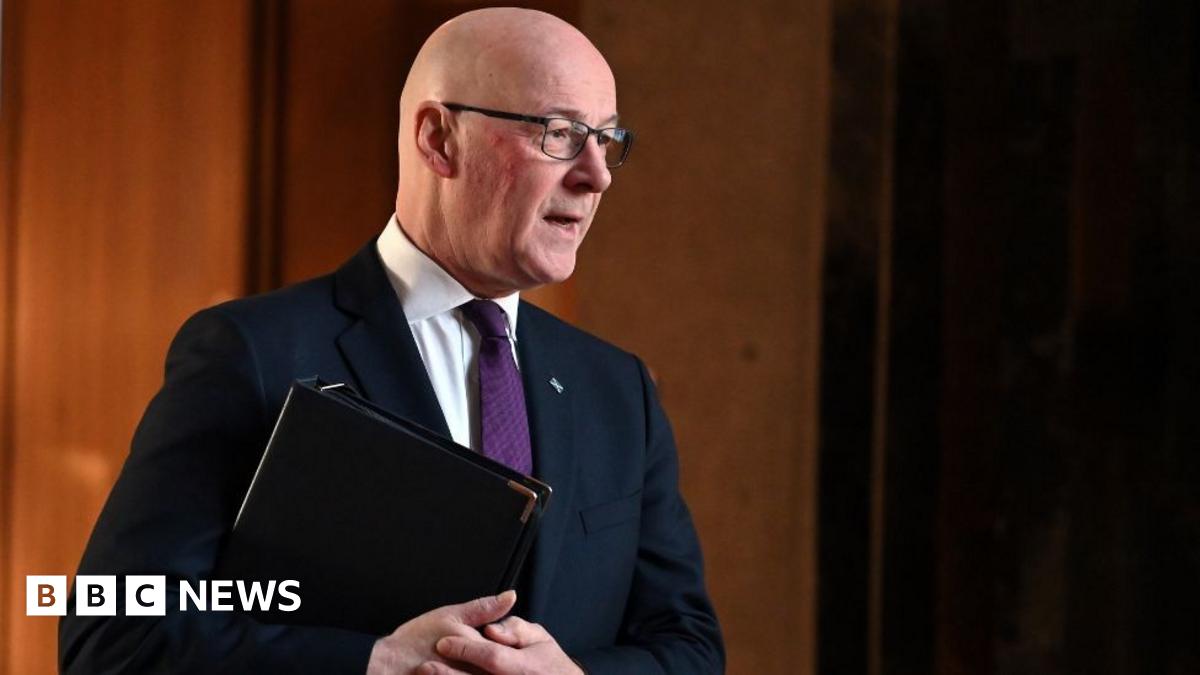
In a notable response from the United Kingdom, Scottish First Minister John Swinney expressed willingness to contribute Scottish troops to such a mission, but only if a peace agreement is secured. According to a BBC report published on January 9, Swinney indicated that devolved Scottish forces could participate under specific conditions, emphasizing the need for a finalized deal. "If peace is agreed, we would be prepared to send Scots troops to Ukraine," the report quotes regional leadership sources, reflecting intra-UK dynamics on foreign policy. Swinney's position adds a layer of complexity, as Scotland's involvement would fall under broader British military command, given the UK's unitary armed forces structure despite devolved governance.
This development coincides with Ukrainian media analysis questioning the feasibility of British troop commitments. A January 8 article on Vesti-UA.net, titled "British Deterrent Forces in Ukraine: Will London Have Enough Troops?", examines London's capacity to sustain a presence in Ukraine while managing other global obligations. The piece highlights Britain's strained military resources, citing ongoing NATO commitments in the Baltic states, contributions to the Middle East, and domestic readiness challenges. It probes whether the UK Army, with approximately 73,000 active personnel as of recent Ministry of Defence figures, could allocate sufficient forces for deterrence without compromising core defenses.
Historical and Geopolitical Context
The proposal emerges against the backdrop of the Russia-Ukraine war, which began with Moscow's full-scale invasion on February 24, 2022. Since then, Ukraine has relied heavily on Western military aid, totaling over $100 billion from the US, EU, and UK combined, according to Kiel Institute for the World Economy data. Peace negotiations have stalled repeatedly, with recent Turkish- and Qatari-mediated talks yielding little progress. Zelensky's call echoes earlier European initiatives, such as French President Emmanuel Macron's 2022 proposal for European security guarantees and the UK's "stark staring mad" warning against a no-fly zone, which evolved into sustained arms support.
NATO has maintained a firm stance against direct combat involvement to avoid escalation with Russia, a nuclear-armed state. However, the alliance has bolstered its eastern flank with 300,000 troops at high readiness since 2022. A post-conflict UK-French presence could function as a "deterrent force," similar to the UN peacekeeping missions in Cyprus or the multinational force in Kosovo, providing tripwire deterrence without full belligerency.
Critics, including voices from Moscow, have decried such plans as provocative NATO expansionism, potentially reigniting tensions. Russian state media has framed Western troop deployments as violations of post-Cold War assurances, though these claims remain disputed by NATO.
Reactions and Implications
Swinney's conditional endorsement signals potential UK buy-in, but it hinges on a peace framework—possibly modeled on the 1994 Budapest Memorandum, which Ukraine views as betrayed by Russia's actions. The Vesti-UA analysis raises practical concerns: Britain's army has shrunk by 10% since 2010, per official reports, amid recruitment shortfalls. Integrating Scottish units could leverage regional pride but would require Westminster's approval, navigating Brexit-era frictions and fiscal constraints.
France has not yet responded publicly to Zelensky's specific mention, though President Macron has advocated for "strategic autonomy" in European defense. Paris has supplied Ukraine with SCALP missiles and Caesar howitzers, positioning it as a key player.
As winter offensives subside and US policy shifts under a new administration loom, Zelensky's gambit aims to lock in commitments before any concessions. Analysts note that without on-ground presence, diplomatic assurances risk echoing the Minsk agreements' failures.
The road to implementation remains fraught. A UK parliamentary vote or NATO summit endorsement would be prerequisites, alongside Russian acquiescence—unlikely without territorial trade-offs. For now, Zelensky's call injects urgency into peace talks, testing Western resolve as Ukraine defends its sovereignty.
(Word count: 612)






