
Zelensky Pushes for British and French Troops in Ukraine Peace Deal Amid Russian Threats
Kyiv, Ukraine – Ukrainian President Volodymyr Zelensky has intensified calls for a multinational security presence in Ukraine as part of any potential peace agreement with Russia, specifically advocating for British and French military forces on Ukrainian soil. The proposal, voiced on January 4, 2026, has drawn sharp rebukes from Moscow, which labeled any Western troops deployed under such a deal as "legitimate combat targets," escalating diplomatic tensions as peace talks loom.
Zelensky's statement underscores Kyiv's insistence on robust security guarantees to deter future Russian aggression, amid ongoing battlefield stalemates in the nearly four-year conflict. Russia, in response, has categorically rejected European proposals for a multinational force, warning that foreign soldiers entering Ukraine would face direct military action. These developments coincide with internal shifts in Zelensky's administration, signaling a strategic reset as negotiations appear on the horizon.
Zelensky's Security Demands and Internal Realignment
On Sunday, January 4, Zelensky explicitly conditioned any peace deal on the deployment of British and French military personnel to Ukraine, framing it as essential for long-term stability. This high-severity geopolitical maneuver reflects Kyiv's broader strategy to secure NATO-aligned commitments without full alliance membership, a position Ukraine has maintained since Russia's full-scale invasion in February 2022.
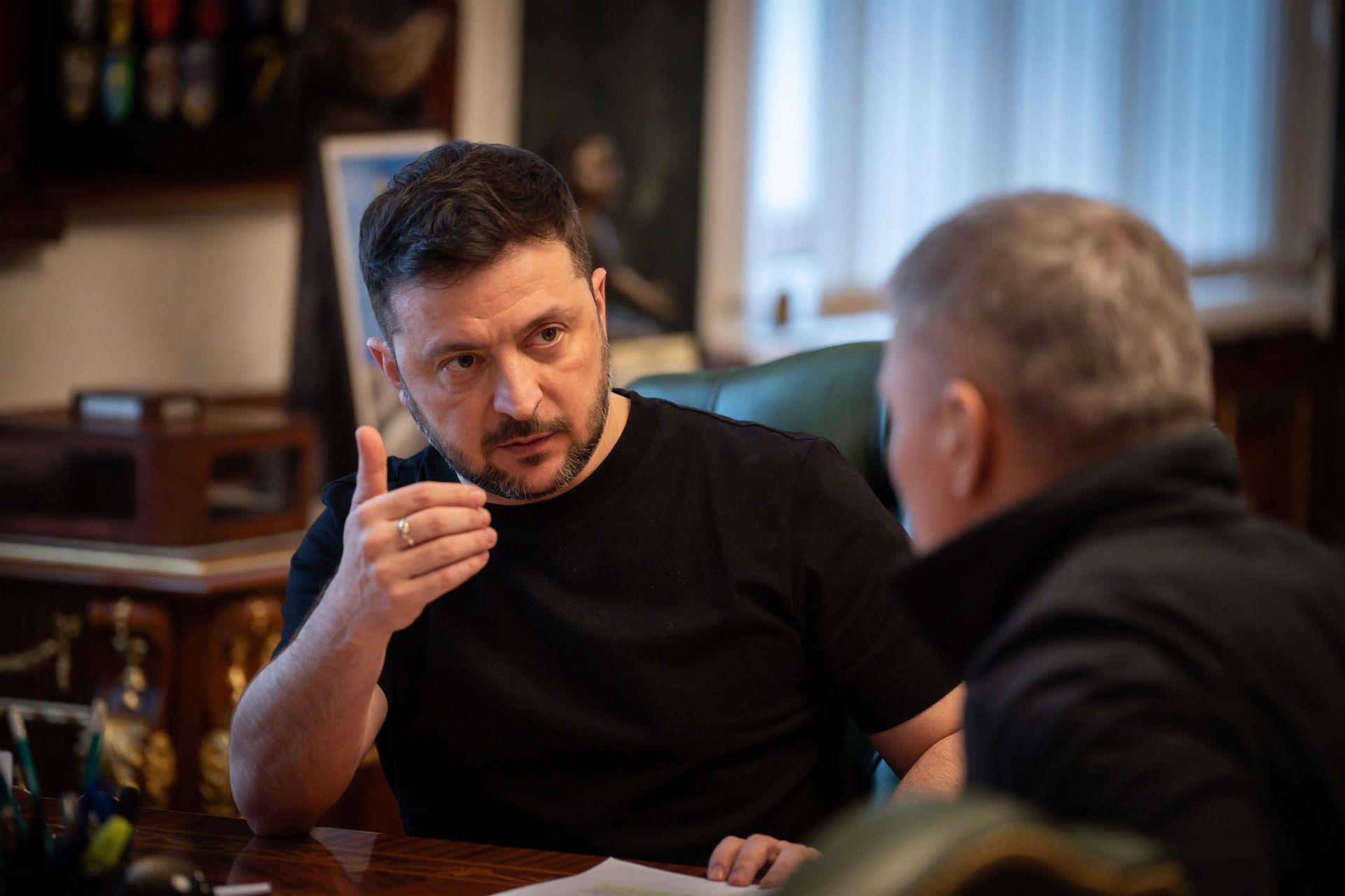
The Kyiv Independent reported on Thursday that Zelensky is undergoing a significant power reset, forming a new inner circle amid "war and talks looming." This restructuring involves key personnel changes aimed at streamlining decision-making for potential diplomatic breakthroughs. Sources indicate the moves are designed to bolster Ukraine's negotiating posture, with Zelensky consolidating influence among trusted advisors to navigate complex ceasefire discussions. The outlet described the shift as a response to prolonged warfare and emerging peace overtures, though specifics on the new lineup remain limited.
Russia's Immediate Backlash
Moscow's reaction was swift and unequivocal. Fox News detailed Russia's warning that Western forces deployed to Ukraine under a postwar security arrangement would be viewed as "legitimate combat targets," heightening fears of renewed escalation. Russian officials framed the proposal as a provocative escalation, rejecting any non-Russian security presence on what they consider their sphere of influence.
Similar rhetoric echoed across international outlets. A report from La Silla Rota in Spanish highlighted Russia's threats to attack foreign soldiers combating in Ukraine, emphasizing the Kremlin's stance that such deployments would constitute direct intervention. Likewise, DHnet in French covered Moscow's outright rejection of a European plan for a multinational force in Ukraine, portraying it as an unacceptable infringement on Russian security interests. These statements, published on January 8, align with longstanding Kremlin doctrine opposing NATO expansion eastward.
Broader Geopolitical Context
The exchange occurs against the backdrop of the Ukraine-Russia war, which began with Russia's annexation of Crimea in 2014 and escalated dramatically in 2022. Despite massive Western military aid—totaling over $100 billion from the U.S. and EU allies—Ukraine has reclaimed limited territory while facing manpower shortages and infrastructure devastation. Recent reports suggest indirect talks, possibly mediated by Turkey or Gulf states, though no formal negotiations have materialized.
Zelensky's troop proposal draws parallels to post-World War II occupation models or the multinational force in Kosovo, where NATO troops ensured stability. However, it risks crossing Russian red lines, as evidenced by prior warnings during the 2022 invasion buildup. France and the UK, as nuclear powers and key NATO members, have provided significant support—Leopard tanks from the UK and SCALP missiles from France—but have stopped short of direct combat involvement.
European leaders have floated similar ideas, with French President Emmanuel Macron previously suggesting ground troops in a non-combat role, a notion swiftly disavowed by allies. Russia's rejection of a "European plan" for such a force, as noted in DHnet, underscores fractures within the continent's unity on Ukraine policy.
Outlook Amid Rising Stakes
As of January 8, 2026, no official responses from London or Paris have emerged, but the proposals inject fresh urgency into stalled diplomacy. Zelensky's inner circle overhaul may signal preparations for concessions, such as territorial compromises or neutrality pledges, balanced against these security demands.
Analysts view the rhetoric as posturing ahead of potential summits, possibly involving U.S. President-elect influences post-2024 elections. Yet, with Russia advancing in eastern Ukraine and Ukraine bracing for winter offensives, the risk of miscalculation looms large. Both sides' hardening positions suggest that while peace talks may be imminent, achieving a durable accord remains elusive.
This episode highlights the delicate balance in ending Europe's largest conflict since World War II: Ukraine seeks ironclad protections, while Russia demands exclusionary spheres. Diplomatic channels will be watched closely for de-escalation signals.
(Word count: 682)