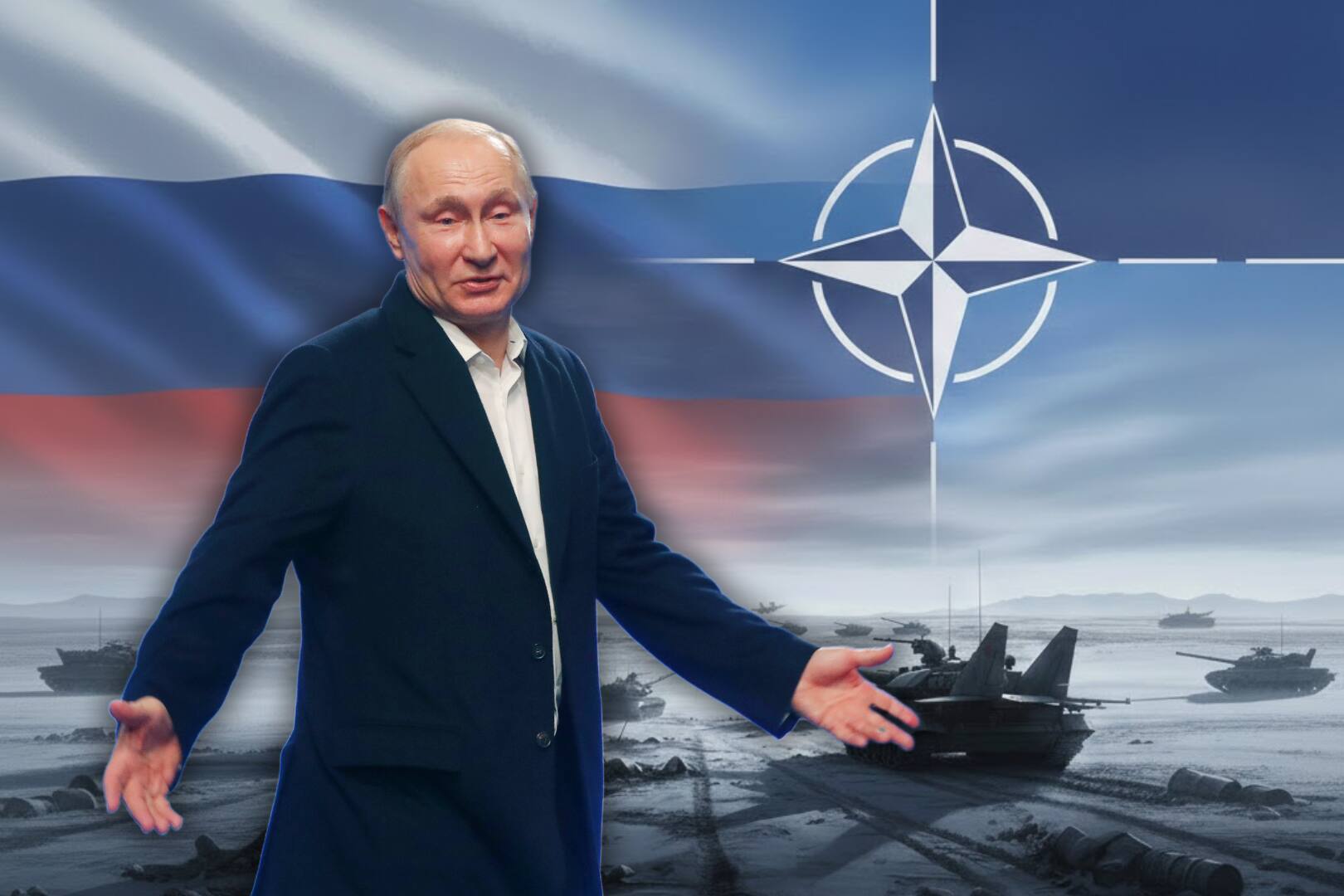

Zelensky Insists on UK, French Military Presence in Peace Deal as Russia Warns of NATO Base Attacks
Kyiv, Ukraine – Ukrainian President Volodymyr Zelensky has escalated calls for a permanent British and French military presence in Ukraine as a cornerstone of any peace agreement with Russia, prompting sharp rebukes from Moscow and affirmations of support from London and Paris. The proposal, voiced amid ongoing ceasefire discussions, has heightened tensions, with Russia vowing to strike any NATO bases established on Ukrainian soil.
Zelensky made the remarks on January 4, 2026, emphasizing that security guarantees for Ukraine must include stationed troops from the United Kingdom and France to deter future Russian aggression. "A peace deal must include British and French military presence in Ukraine to ensure security," Zelensky stated, according to reports from Ukrainian and international outlets. This stance aligns with Kyiv's broader strategy of seeking robust Western deterrence following over three years of full-scale invasion by Russian forces.
Russia responded forcefully, with Kremlin officials declaring that any installation of NATO bases or troops in Ukraine would be viewed as a direct threat, prompting preemptive military action. Moscow has long maintained that NATO expansion eastward violates post-Cold War assurances and justifies its "special military operation," which began in February 2022. Russian state media and spokespeople reiterated that such deployments would cross a "red line," potentially expanding the conflict into direct NATO-Russia confrontation.
In contrast, the United Kingdom and France have defended the concept of forward-deployed forces as a viable peacekeeping mechanism. British and French leaders, speaking through diplomatic channels, described the plan as essential for stabilizing Ukraine post-conflict, drawing parallels to multinational missions in the Balkans during the 1990s. London and Paris have positioned their potential involvement as non-combat peacekeeping roles, contingent on a formal peace accord and broader allied consensus.
Kyiv is also pinning hopes on backing from the United States, which has provided the bulk of military aid to Ukraine since 2022—totaling over $60 billion in weaponry, ammunition, and training by late 2025. Ukrainian officials expressed optimism that Washington, under its current administration, would endorse the European troop presence as a cost-effective alternative to indefinite U.S. commitments.
Escalating Diplomatic Standoff
The exchange underscores the fragile state of peace negotiations, which gained momentum in late 2025 amid battlefield stalemates and war fatigue on both sides. Russian forces control approximately 20% of Ukrainian territory, including Crimea and parts of the Donbas region, while Ukraine has reclaimed significant areas in the east and south through counteroffensives supported by Western arms like HIMARS systems and ATACMS missiles.
Zelensky's proposal revives debates over "security guarantees" that have persisted since the Minsk agreements of 2014-2015 failed to prevent escalation. Unlike those pacts, which relied on monitors from the OSCE, the current framework envisions NATO-member troops—albeit from non-U.S. allies—as enforcers. Critics in Moscow and some Global South nations argue this amounts to NATO occupation, while supporters in Kyiv and Western capitals see it as indispensable given Russia's history of treaty violations.
France and the UK, both nuclear powers and key NATO contributors, have ramped up bilateral aid to Ukraine. France has supplied Caesar howitzers and SCALP missiles, while the UK pioneered the training of Ukrainian pilots on F-16 jets. Their willingness to commit personnel signals a shift from proxy support to potential on-the-ground roles, though details on troop numbers, duration, and command structure remain unspecified.
Historical Context and Broader Implications
The Ukraine conflict stems from Russia's full-scale invasion on February 24, 2022, following eight years of hybrid warfare in Donbas. Triggered by Kyiv's pivot toward the EU and NATO after the 2014 Euromaidan Revolution, the war has caused over 500,000 military casualties, displaced millions, and reshaped global alliances. NATO's Article 5 collective defense clause has deterred direct intervention, but indirect support has included intelligence sharing, sanctions totaling trillions in frozen Russian assets, and a massive rearmament of Europe.
Recent developments include tentative talks in neutral venues like Istanbul and Riyadh, where territorial concessions and neutrality pledges have been floated. Zelensky's demand complicates these efforts, as Russia insists on Ukraine's demilitarization and recognition of annexed regions. U.S. policy, influenced by domestic elections and Pacific priorities, favors burden-sharing with Europe, potentially paving the way for UK-French leadership.
International reactions vary: China has urged restraint without endorsing deployments, while Turkey—mediator in Black Sea grain deals—warns of escalation risks. Energy markets remain volatile, with European gas prices spiking 5% on news of heightened rhetoric.
Outlook Amid Heightened Risks
As diplomats convene urgently, the proposal tests NATO unity and Russia's resolve. Failure to align on security could prolong the war, draining resources amid global challenges like Middle East instability. Success, however, might herald Europe's most ambitious peacekeeping mission since the Yugoslav wars, redefining post-Soviet security architecture.
Analysts monitor U.S. signals closely, with Capitol Hill debates over supplemental aid packages influencing outcomes. For now, Zelensky's gambit keeps Ukraine's fight for sovereignty—and deterrence—at the forefront of global geopolitics.
(Word count: 712)






