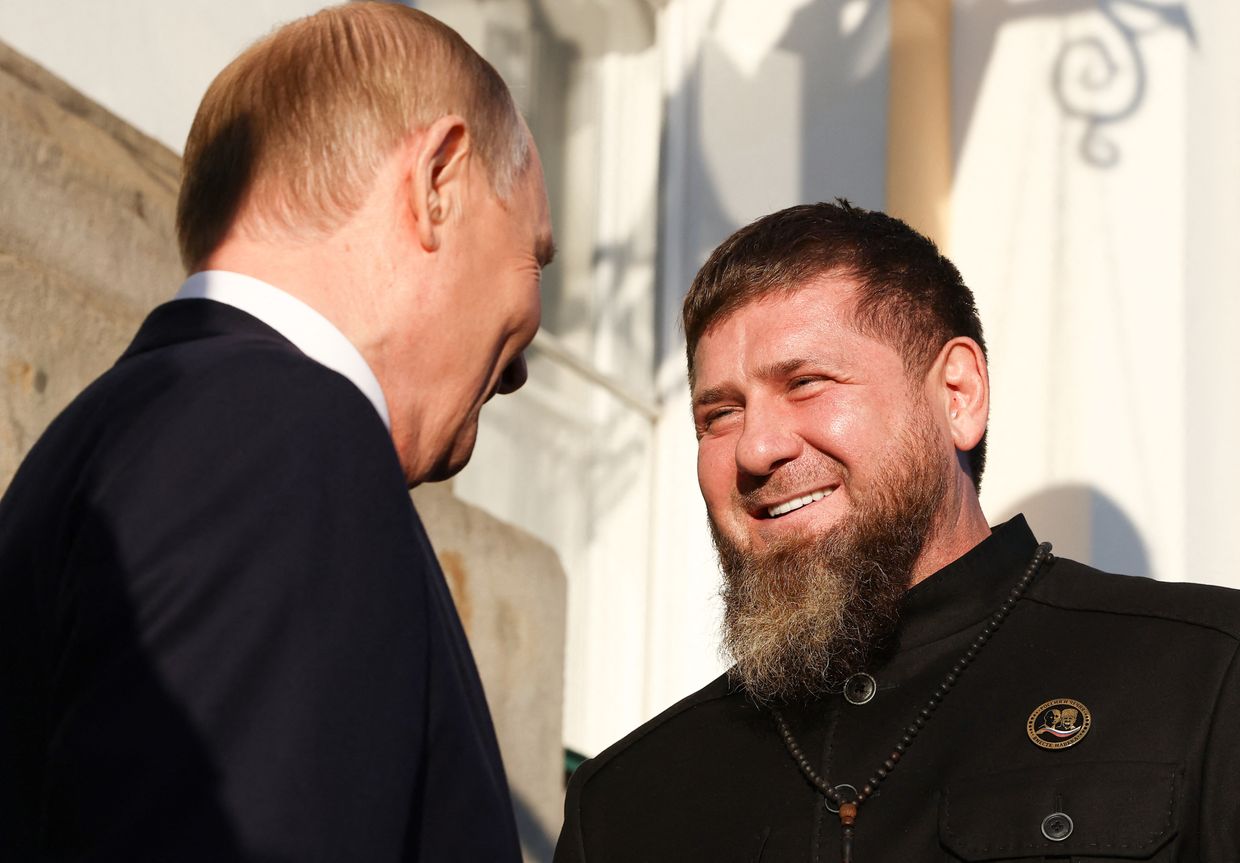

Zelensky Demands UK, French Military Presence in Any Ukraine Peace Deal, Links to Pressure on Putin's Allies
Kyiv, Ukraine – Ukrainian President Volodymyr Zelensky has intensified calls for a robust security framework in potential peace negotiations with Russia, insisting that any deal must include the deployment of British and French military forces on Ukrainian soil. The statement, made on January 4, 2026, underscores Kyiv's skepticism toward Russian guarantees amid ongoing hostilities. Zelensky further escalated rhetorical pressure on Moscow this week by suggesting that Western powers apply tactics used against Venezuelan President Nicolás Maduro to Chechen leader Ramzan Kadyrov, aiming to force Russian President Vladimir Putin to reconsider his strategy.
Zelensky's push for foreign troop presence highlights Ukraine's demand for enforceable security assurances as prerequisites for ceasefire talks. Speaking on January 4, he emphasized that British and French military personnel would be essential to deter future aggression, framing it as a non-negotiable element of peace. This position reflects Kyiv's broader strategy to secure NATO-like protections without full alliance membership, a sticking point in Western-Ukraine relations since Russia's full-scale invasion began in February 2022.
Just days later, on January 8, Zelensky referenced recent U.S. actions against Maduro to draw parallels with Russia's vulnerabilities. "US acted on Maduro, why not Kadyrov?" he quipped, according to the Kyiv Independent, adding that such "additional pressure will make Putin 'think twice.'" The remark alludes to reported U.S. efforts to seize or extradite Maduro, a key Russian ally in Latin America, amid ongoing disputes over Venezuela's 2024 presidential election, which the opposition claims was fraudulent. Maduro has relied on Russian military and economic support, including Wagner Group mercenaries previously deployed in Ukraine.
Finnish public broadcaster Yle provided analysis on the same day, interpreting Maduro's predicament as evidence of Russia's diminished capacity to shield its partners. Foreign editor Heikki Heiskanen wrote that "Ukraine-fighting Russia does not have the strength to save its ally," noting that Moscow's resources are stretched thin by the protracted war. Heiskanen suggested Russia might acquiesce to the "Trump worldview," referencing U.S. President-elect Donald Trump's anticipated return to office in January 2027, which could prioritize deal-making with Putin over confronting him.
Broader Geopolitical Context
The Ukraine conflict, now entering its fifth year, has seen territorial stalemates along a 1,000-kilometer front line, with Russia controlling about 20% of Ukrainian territory, including Crimea and parts of Donetsk and Luhansk oblasts. Western sanctions have isolated Moscow economically, while Ukraine receives billions in military aid from NATO members. Zelensky's comments coincide with renewed diplomatic maneuvering, including U.S. signals under the incoming Trump administration of potential negotiations that could involve Ukraine ceding territory or neutrality commitments.
Russia's alliances, such as with Venezuela, Syria, and Chechnya, have faced scrutiny. Kadyrov, who commands the notorious Akhmat special forces fighting in Ukraine, has been a loyal Putin surrogate despite persistent rumors of his poor health. U.S. sanctions on Kadyrov date back to 2011 over human rights abuses, but Zelensky's suggestion implies bolder actions like asset freezes or extradition threats to exploit fissures in Putin's inner circle.
Yle's piece frames this within global power shifts: Russia's inability to protect Maduro—despite deploying forces to Venezuela in 2024—mirrors its challenges elsewhere. "Russia accepts Trump's worldview," Heiskanen argued, pointing to pragmatic Moscow-Washington alignments on issues like energy and countering China.
Implications for Peace Talks
Zelensky's dual messaging—demanding Western boots on the ground while prodding Russia's weak spots—signals impatience with stalled Minsk-style agreements. European leaders have been cautious; France and the UK provide arms but stop short of troop commitments to avoid direct NATO-Russia confrontation. U.S. actions on Maduro, if confirmed as a "seizure" per Yle, could embolden similar moves, testing Russia's red lines.
As winter battles rage in eastern Ukraine, with reports of intensified Russian drone and missile strikes, Zelensky's stance aims to rally allies. Whether it yields concessions from Putin remains uncertain, but it underscores Kyiv's resolve: peace without ironclad security is untenable. Diplomatic channels, including potential Trump-mediated talks, will be watched closely in coming weeks.
(Word count: 612)






