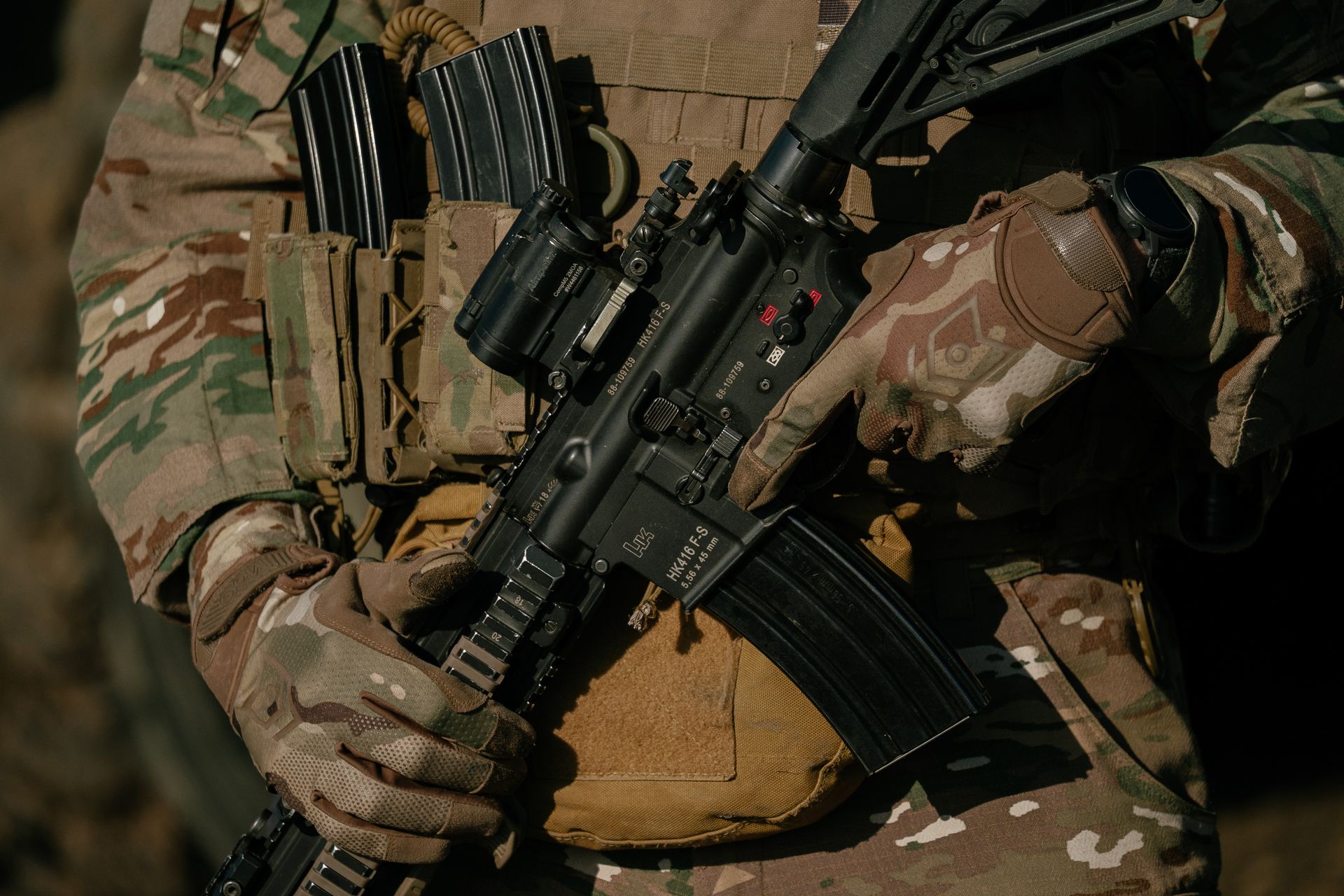

Zelensky Demands British and French Troops in Ukraine for Any Viable Peace Deal
Ukrainian President Volodymyr Zelensky has intensified calls for a sustained military presence from Britain and France on Ukrainian soil as a non-negotiable element of any peace agreement with Russia, amid growing skepticism in Europe over the feasibility of such deployments and mixed signals from the United States.
The statement, made public on January 4, 2026, underscores Kyiv's insistence on robust security guarantees to deter future Russian aggression. Zelensky argued that without an ongoing British and French military footprint—framed as a "reassurance force"—any ceasefire would be untenable, reflecting Ukraine's deep-seated distrust of Moscow following nearly four years of full-scale invasion.
Escalating Push for European Security Guarantees
Zelensky's remarks come as European leaders grapple with the prospect of stationing troops in Ukraine, a move that risks direct confrontation with Russia. According to reporting from the Kyiv Independent, the idea of a European "reassurance force" is increasingly viewed as a "mirage"—an alluring but illusory solution hampered by political divisions, logistical hurdles, and NATO's reluctance to cross red lines on troop deployments. The article highlights how Paris and London have floated concepts for post-conflict stabilization forces, but these remain vague, with no concrete commitments amid fears of escalation.
France and the UK, as nuclear-armed NATO members outside the U.S. orbit, have been vocal proponents of deeper European involvement. French President Emmanuel Macron has previously advocated for strategic ambiguity in sending troops, while UK Prime Minister Keir Starmer has emphasized long-term security for Kyiv. Zelensky's explicit demand ties these discussions to peace negotiations, potentially referencing frameworks from the Normandy Format or recent Paris summits.
Politico Europe reports that European capitals received "warm words" from Washington during recent high-level talks on a potential Ukraine ceasefire, but a key pledge was notably absent. An explicit U.S. commitment to "backstop" Kyiv—ensuring American support for any European-led force—was removed from the final joint statement issued after meetings in Paris. This omission has fueled reliability concerns among allies, with European diplomats questioning the Trump administration's dedication to Ukraine amid its pivot toward rapprochement with Russia.
Context of Stalled Peace Efforts
The war in Ukraine, which Russia launched on February 24, 2022, has seen repeated attempts at de-escalation falter. Early 2022 Istanbul talks yielded tentative agreements on neutrality and security assurances, but Russian demands for territorial concessions and demilitarization derailed progress. Subsequent Swiss and Jeddah summits in 2024-2025 focused on humanitarian issues like Black Sea grain exports and prisoner swaps, but core sticking points—Crimea, Donbas control, and NATO aspirations—persist.
Zelensky's call aligns with Ukraine's "Victory Plan" unveiled in late 2024, which prioritizes NATO integration, long-range strikes on Russian territory, and multinational peacekeeping. However, Russia's rejection of foreign troops as a casus belli complicates matters. Moscow has warned that NATO presence in Ukraine would be seen as an existential threat, echoing rhetoric from President Vladimir Putin.
European divisions further cloud the picture. Germany and Poland express support for Ukraine but hesitate on troop commitments without U.S. backing. The EU's €50 billion aid package through 2027 emphasizes economic and military support, yet direct combat roles remain off-limits under NATO doctrine.
U.S. Ambivalence and European Fears
The scrubbed U.S. language from the Paris statement signals shifting transatlantic dynamics. With President-elect Donald Trump's inauguration looming in January 2026, allies fear a U.S. drawdown. Trump's campaign promises of quick peace deals, potentially involving Ukrainian concessions, contrast with Europe's push for deterrence. Politico notes that while Biden administration officials offered verbal assurances, the lack of firm text leaves Europeans exposed.
Quotes from unnamed diplomats underscore the tension: one European official described U.S. support as "encouraging but ephemeral," while another highlighted the "reliability fears" dominating Brussels corridors.
Outlook Amid Uncertainty
As peace talks hover on the horizon—potentially mediated by Turkey or China—Zelensky's demand tests Western resolve. A British-French force could number in the thousands, focused on monitoring ceasefires and training, but deployment hinges on Russian acquiescence and U.S. logistics. Without it, Kyiv warns of a frozen conflict ripe for resumption.
European leaders face a dilemma: commit without America and risk overstretch, or defer and embolden Moscow. For now, Zelensky's gambit keeps pressure on allies, but the "mirage" of reassurance persists as rhetoric outpaces reality in the shadow of prolonged attrition.
(Word count: 612)






