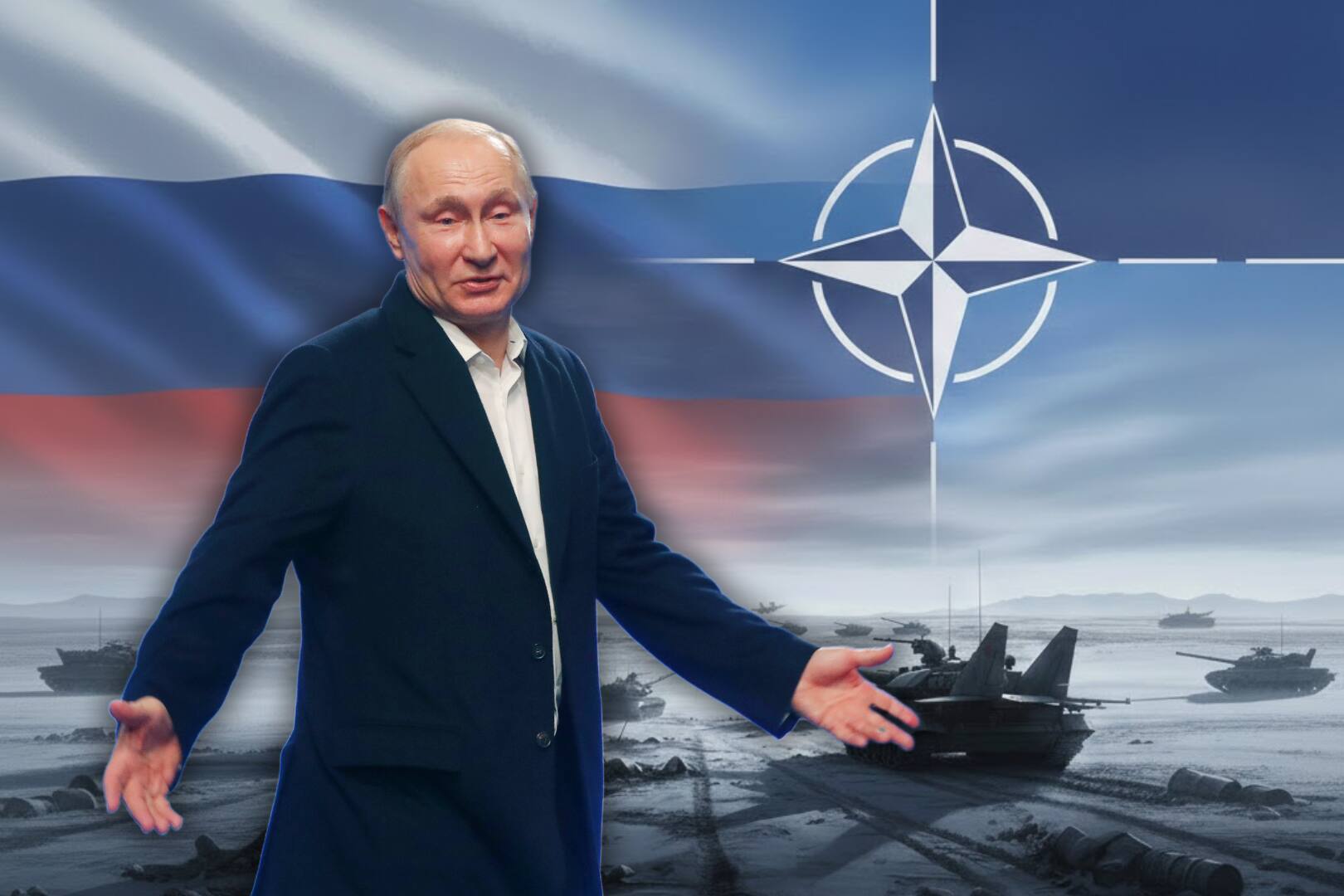

Zelensky Demands British and French Military Presence in Ukraine for Any Peace Deal, Prompting Russian Warnings of NATO Base Strikes
Kyiv, Ukraine – Ukrainian President Volodymyr Zelensky has escalated calls for robust Western security guarantees, insisting that any peace agreement with Russia must include a sustained military presence from Britain and France on Ukrainian soil. The proposal, voiced amid ongoing peace negotiations, has drawn sharp rebukes from Moscow, which vowed to target any NATO-linked bases established in the country, while London and Paris defend the plan and Kyiv pins hopes on U.S. backing.
Zelensky's statement, made public on January 4, 2026, underscores Ukraine's deepening skepticism toward diplomatic overtures without ironclad assurances against future Russian aggression. "A peace deal must include British and French military presence in Ukraine to ensure security," Zelensky declared, framing it as a non-negotiable condition for halting hostilities that have raged since Russia's full-scale invasion in February 2022. This demand comes as ceasefire talks gain tentative momentum, but trust remains elusive following multiple failed truces and battlefield setbacks.
Russia's response was swift and unequivocal. Kremlin officials assured that any installation of NATO bases—or allied military contingents—in Ukraine would provoke direct strikes, viewing such deployments as a crossing of Moscow's "red lines." This echoes longstanding Russian rhetoric against NATO expansion eastward, which President Vladimir Putin has cited as a primary justification for the war. The warning heightens fears of escalation, potentially drawing in NATO's collective defense clause under Article 5, though no formal bases are proposed—only bilateral troop deployments under a peace framework.
Britain and France, key NATO heavyweights and Ukraine's staunchest European supporters, have publicly defended the initiative. London and Paris argue that their forces would serve as peacekeepers, not combatants, stabilizing a post-conflict Ukraine and deterring revanchism. UK Prime Minister Keir Starmer's government, fresh from bolstering arms shipments, emphasized the plan's alignment with prior commitments like the UK's 2023 security pact with Kyiv. France, under President Emmanuel Macron, has similarly advocated for "strategic reassurance," having floated European troop ideas as early as 2024 amid U.S. election uncertainties.
Kyiv, meanwhile, is betting heavily on Washington for the decisive push. With the incoming U.S. administration under President-elect Donald Trump signaling a desire for rapid peace—potentially via direct Russia talks—Zelensky's team hopes American endorsement will compel European allies forward. U.S. officials have remained noncommittal, balancing support for Ukraine against Trump's "America First" pivot and promises to end the war "in 24 hours."
Escalating Tensions Amid Stalled Talks
The proposal lands against a backdrop of grinding attrition. Russia's invasion, now nearing its fourth anniversary, has seen Kyiv reclaim limited territories through Western-supplied weapons like ATACMS missiles and F-16 jets, but at enormous human and economic cost. Over 500,000 military casualties on both sides, millions displaced, and infrastructure devastation have fueled war fatigue. Recent talks in neutral venues like Istanbul have yielded prisoner swaps but no breakthroughs on territory or neutrality—core Russian demands.
Zelensky's push reflects lessons from past guarantees. The 1994 Budapest Memorandum, where Ukraine surrendered Soviet nukes for security pledges from Russia, the U.S., and UK, proved hollow when Moscow annexed Crimea in 2014 and invaded in 2022. Bilateral pacts with over 50 nations, including the UK and France, provide aid but lack on-ground enforcement. NATO membership remains off-limits due to alliance rules barring active combatants, leaving "security architecture" as the viable alternative.
Critics, including some European voices, warn of provocation. Hungary's Viktor Orbán, a Putin ally within the EU, labeled it "suicidal," while German Chancellor Olaf Scholz prioritizes diplomacy over troops. Public opinion in the West is divided: Polls show strong Ukrainian sympathy but reluctance for direct involvement, with U.S. approval for aid dipping below 50% in late 2025 surveys.
Historical Context: From Minsk to Madrid
This impasse traces to the Minsk agreements of 2014-2015, which promised Donbas autonomy but collapsed amid mutual violations. NATO's 2022 Madrid Summit designated Russia a "direct threat," boosting Ukraine's aid but stopping short of membership. France and the UK's nuclear powers position them as ideal guarantors, akin to Cold War-era Berlin garrisons, though without U.S. umbrella risks widening the conflict.
Moscow frames the demand as NATO encirclement, pointing to Finland and Sweden's recent accessions as evidence of broken promises. Russian Foreign Minister Sergey Lavrov reiterated that Ukraine's demilitarization and neutrality are prerequisites for peace.
Outlook: High Stakes for Global Stability
As January 2026 unfolds, the coming weeks could pivot geopolitics. U.S. policy post-inauguration will be pivotal; Trump's envoy, possibly Keith Kellogg, has hinted at concessions like frozen frontlines. Failure risks renewed Russian offensives, targeting Ukraine's east, while success might reshape European security—potentially with 5,000-10,000 Western troops rotating through Ukraine under UN auspices.
Analysts watch for NATO's Istanbul summit in June, where alliances may solidify or fracture. For now, Zelensky's gambit underscores a stark reality: peace in Ukraine demands not just signatures, but swords sheathed yet at hand.
(Word count: 728)






