
Zelensky Demands British and French Military Presence in Ukraine as Condition for Peace Deal
Kyiv, Ukraine – Ukrainian President Volodymyr Zelensky has escalated calls for robust security guarantees in any potential peace agreement with Russia, explicitly stating that British and French military forces must be deployed on Ukrainian soil to deter future aggression. The remarks, made on January 4, 2026, come amid ongoing stalemated frontline fighting and renewed diplomatic maneuvering influenced by the incoming U.S. administration under President Donald Trump.
Zelensky's demand underscores Kyiv's insistence on enforceable NATO-like protections, rejecting vague assurances in favor of tangible troop deployments from key Western allies. Speaking during a series of interviews and public addresses, the Ukrainian leader argued that only a physical military presence from the United Kingdom and France could credibly prevent Russian President Vladimir Putin from resuming hostilities. "A peace deal must include British and French military presence in Ukraine to ensure security," Zelensky stated, emphasizing the need for "ironclad" commitments in light of Russia's full-scale invasion launched in February 2022.
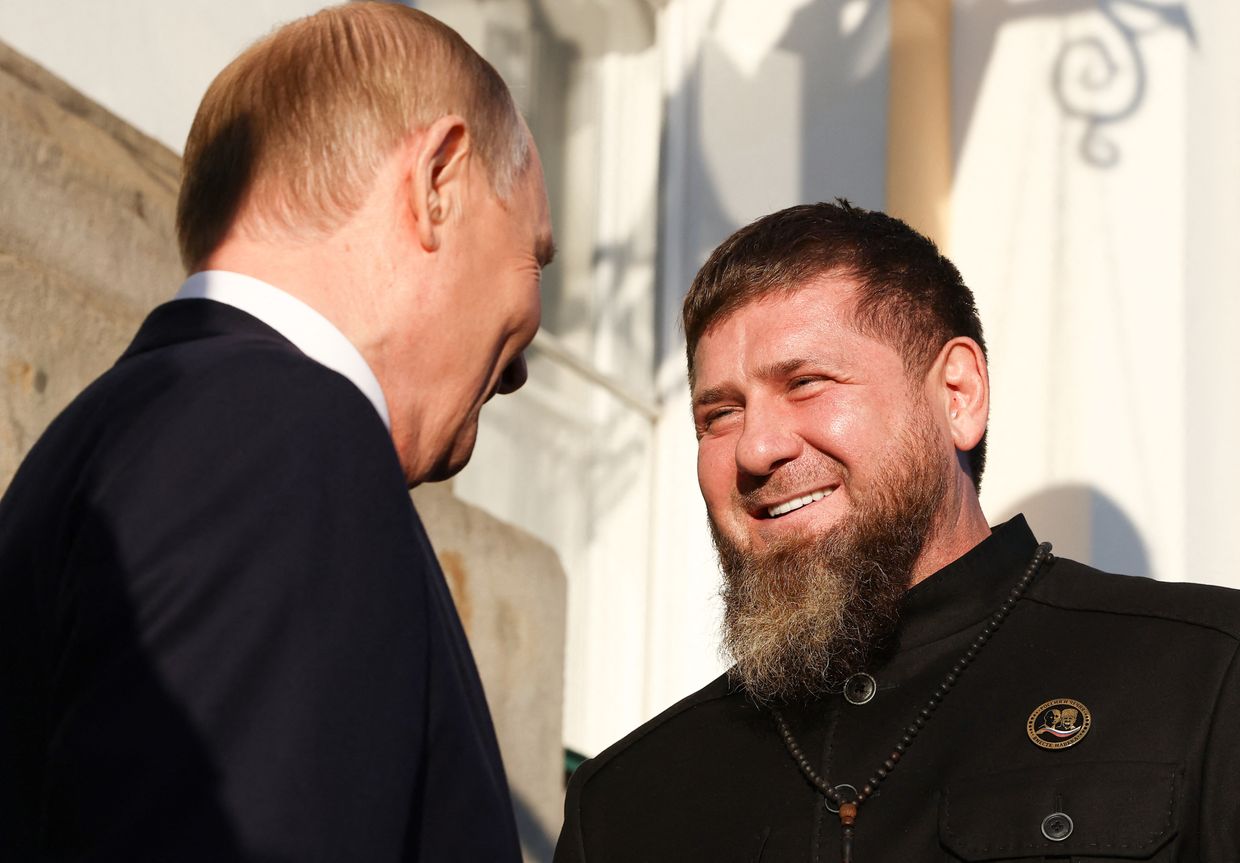
This position aligns with Zelensky's broader strategy to leverage international pressure on Moscow. On January 8, in comments reported by the Kyiv Independent, Zelensky quipped about recent U.S. actions against Venezuelan President Nicolás Maduro, drawing a parallel to Chechen leader Ramzan Kadyrov, a close Putin ally. "US acted on Maduro, why not Kadyrov?" Zelensky remarked, suggesting that targeted sanctions or designations could force Putin to "think twice" about escalation. The reference highlights Kyiv's push for asymmetric measures against Russia's enablers, amid reports of Kadyrov's forces actively supporting Moscow's war effort in Ukraine.
The timing of Zelensky's statements coincides with reports of a potential new U.S. policy shift under Trump. A January 8 article from Lithuanian outlet Lrytas.lt, aggregated via GDELT, described an announcement of a "new D. Trump's blow to Russia" poised to "painfully hit V. Putin's war machine." While specifics remain unclear, the coverage suggests intensified economic or military aid restrictions targeting Russia's military-industrial complex, potentially including secondary sanctions on third-party supporters. This development has fueled speculation in Kyiv that Washington could play a pivotal role in enforcing any ceasefire, though Trump has previously advocated for rapid negotiations to end the conflict.
Ongoing Conflict Context
Russia's invasion, now approaching its fourth year, has resulted in hundreds of thousands of military casualties on both sides, widespread destruction in Ukraine, and global ripple effects including energy crises and food insecurity. Frontlines have seen minimal movement since late 2024, with Russian forces making incremental gains in Donetsk region at high cost, while Ukraine conducts deep strikes into Russian territory using Western-supplied weapons.
Zelensky's call for foreign troops revives debates over "boots on the ground" in Eastern Europe. Historically, NATO has avoided direct combat deployments in Ukraine to prevent escalation with nuclear-armed Russia. France and the UK, as nuclear powers and leading providers of military aid—totaling over $50 billion combined since 2022—have trained tens of thousands of Ukrainian troops but stopped short of stationing forces inside the country. French President Emmanuel Macron floated the idea of sending instructors to Ukraine in 2024, but it was not pursued amid allied reservations.
The proposal also intersects with Trump's "peace plan," which reportedly involves freezing current frontlines, neutrality commitments from Ukraine, and sanctions relief for Russia in exchange for withdrawal from occupied territories. Zelensky has rejected such terms without security backstops, warning that absent guarantees, any deal would be "temporary."
International Reactions and Outlook
Western leaders have responded cautiously. UK Prime Minister Keir Starmer reaffirmed London's "unwavering support" but emphasized diplomatic channels, while France urged "all parties to negotiate in good faith." Moscow dismissed the troop demand as "provocative," with Kremlin spokesman Dmitry Peskov accusing Zelensky of sabotaging peace.
Analysts view Zelensky's rhetoric as a bid to shape negotiations ahead of potential U.S.-brokered talks. With Trump set to influence aid flows—U.S. assistance totaling $175 billion to date—the Ukrainian leader is signaling resolve to allies. Additional pressure tactics, like those targeting Kadyrov, could amplify economic strains on Russia, where sanctions have already curbed oil revenues and military production.
As winter offensives loom, Zelensky's insistence on UK and French forces highlights the chasm between Kyiv's vision of enduring peace and Moscow's maximalist goals. Whether this galvanizes new commitments or entrenches deadlock remains uncertain, but it reaffirms Ukraine's strategy: no deal without deterrence.
(Word count: 612)






