
Widespread Protests Erupt Across Iran Over Economic Woes, Met with Internet Blackout and Deadly Crackdown
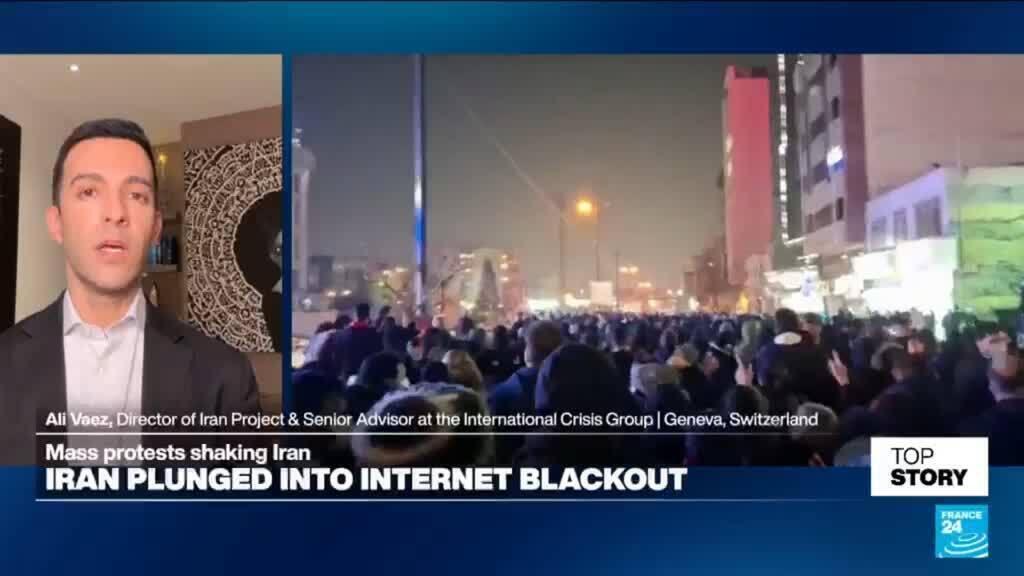
TEHRAN — Protests have swept through more than 170 locations across 25 Iranian provinces since late December 2025, driven by a deepening economic crisis marked by currency devaluation, soaring inflation, and skyrocketing food prices. Authorities have responded with an near-total internet blackout, labeling demonstrators "terrorists" and launching a harsh crackdown that human rights groups say has killed at least 48 to 62 people and led to over 2,300 detentions as of January 9, 2026.
The unrest, the largest in years, began days before the new year amid widespread discontent over the faltering economy. Demonstrators initially focused on economic grievances but have escalated to chanting anti-regime slogans and burning images of Supreme Leader Ayatollah Ali Khamenei. Videos circulating online — before the communications cutoff — showed women lighting cigarettes from photos of Khamenei set ablaze, symbolizing deep-seated frustration not seen since the 2022-2023 protests.
In Tehran, some protesters renamed a street after U.S. President Donald Trump, invoking his protection amid warnings of potential U.S. intervention if demonstrators are harmed. Trump has publicly cautioned Iran against suppressing the protests, a stance echoed by Iran's exiled Crown Prince Reza Pahlavi, who issued an "urgent" call to the U.S. leader, urging preparation for intervention akin to past operations against regimes like Venezuela's Nicolás Maduro. Pahlavi, who fled Iran decades ago, has positioned himself as a potential alternative to the Islamic Republic amid the turmoil.
Iranian officials have dismissed the demonstrations as foreign-orchestrated. Supreme Leader Khamenei described protesters as "vandals trying to please Trump," while Foreign Minister Abbas Araghchi accused the U.S. and Israel of stoking the unrest. Tehran has downplayed risks of foreign military intervention, emphasizing its resolve to quell the disturbances with an "iron fist."
Government Response and Regional Variations
The regime imposed a nationwide internet blackout to curb information flow and coordination among protesters, a tactic reminiscent of past suppressions. Security forces have cracked down violently, particularly in Shia Kurdish towns, according to reports. However, most Kurdish regions have remained cautious, with communities wary of backlash and hesitant to fully join the nationwide demonstrations despite shared economic hardships.
Analysts note the protests' breadth but highlight factors tempering a full revolution. Ali Vaez, Director of the Iran Project at the International Crisis Group, told France 24 that while the political crisis is serious, entrenched regime structures and divisions among opposition groups limit revolutionary potential.
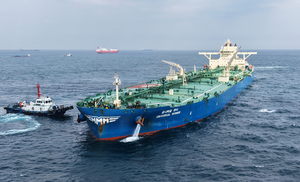
Internationally, reactions have been swift. EU foreign policy chief Kaja Kallas stated on X that Iranian authorities are "afraid of own people," criticizing the crackdown. India, with significant interests in Iran, said it is "closely following developments," advising citizens to avoid protest areas and seeking consular access for 10 detained Indian crew members from a seized tanker.
Background on Iran's Economic and Protest History
Iran's economy has been battered by years of U.S. sanctions, regional conflicts, and mismanagement, leading to a plummeting rial, hyperinflation, and shortages. The current unrest echoes the 2019 fuel price protests and the 2022-2023 demonstrations following Mahsa Amini's death in custody, both met with lethal force and blackouts.
Shopkeepers and traders in Tehran took to the streets as early as December 29, 2025, against the embattled currency, per AFP images cited in reports. The protests' evolution from economic demands to regime challenges underscores mounting public anger.
Outlook Amid Uncertainty
As demonstrations grow — swelling to hundreds of thousands by some estimates — the regime's stability hangs in balance. Observers caution that while unrest signals profound discontent, it does not necessarily herald a monarchical restoration or regime collapse, given protesters' diverse aims and security apparatus loyalty. The internet shutdown and arrests aim to starve the movement of oxygen, but external pressures from figures like Pahlavi and Western voices could prolong the standoff.
The situation remains fluid, with Tehran vowing severe punishment and protesters undeterred in their calls for change.
(Word count: 612)