War Iran: US Reports 415 Troops Wounded in Ongoing Conflict
Diplomatic efforts to end the US-Israel war on Iran are stalled, with Tehran rejecting talks under pressure, and the US reporting over 415 service members wounded.[2] As the war Iran conflict enters its 53rd day, analysts have outlined four possible scenarios amid faltering ceasefire negotiations, while focus shifts to potential second-round talks in Islamabad.[1][3] The Pentagon has detailed casualties across multiple branches, with 13 US service members killed since the operation began.[4][5]
Current Status of the Conflict
The US-Israel war on Iran has reached day 53, marked by stalled diplomatic efforts and escalating tensions.[2] Tehran has rejected talks under pressure, contributing to the impasse in negotiations aimed at ending the conflict.[2] This ongoing situation reflects a broader pattern where diplomatic initiatives have failed to gain traction, leaving military operations to continue without a clear resolution path.[2]
On this 53rd day, the conflict remains active, with developments centered around the US-Israel military actions against Iran.[2] The rejection by Tehran underscores the challenges in de-escalating hostilities, as pressure mounts from various quarters.[2] Reports indicate that the war Iran timeline has not shifted toward peace, instead prolonging engagements in key areas such as the Strait of Hormuz, where tensions are particularly high.[2][3]
The current status highlights a fragile balance, with the ceasefire under significant strain.[3] Military signaling persists alongside diplomatic overtures, creating a complex environment where neither side appears ready to concede ground.[3] As day 53 unfolds, the US-Israel operations continue, with no immediate signs of abatement in the intensity of the war Iran confrontation.[2]
This prolonged timeline—now extending beyond initial expectations—has drawn attention to changing dynamics, including economic volatility tied to regional instability.[3] The Strait of Hormuz remains a flashpoint, where escalations could further complicate the conflict's trajectory.[3] Pentagon updates continue to track the human cost, but the operational tempo shows no signs of slowing.[2][4]
In summary, the conflict's current phase is defined by diplomatic stagnation and sustained military activity, setting the stage for uncertain developments ahead.[2]
{IMAGE_2}
Diplomatic Efforts and Challenges
Diplomatic efforts to resolve the US-Israel war on Iran face significant hurdles, with talks stumbling and timelines shifting repeatedly.[1][3] Tehran’s rejection of negotiations under pressure has stalled progress, as reported in recent assessments of the situation.[2] Analysts note that between an expiring ceasefire and a possible deal, a range of outcomes remains possible, but current challenges dominate the landscape.[1]
A key shift involves focus moving to Islamabad as a potential venue for a second round of US-Iran talks.[3] This comes amid President Donald Trump’s evolving timeline for ending the war—from “days” to “weeks,” then “five weeks,” and now simply “soon.”[3] Islamabad remains at the center of fragile diplomatic expectations, positioning Pakistan’s capital as a neutral ground for fragile engagements.[3]
The ceasefire is under strain, complicating these efforts.[3] Diplomacy unfolds in parallel with military signaling, where both Washington and Tehran push diverging political narratives.[3] Economic volatility adds another layer, as regional tensions impact broader stability.[3] Tehran’s stance against talks under duress highlights the preconditions it sets, further delaying any breakthrough.[2]
These challenges illustrate the intricate interplay of pressures: internal political dynamics in the US, Iran’s firm rejections, and the search for external mediators like those in Islamabad.[1][3] As timelines extend, the window for a deal narrows, with analysts emphasizing the range of ways the war could proceed if diplomacy falters entirely.[1]
The role of external locations underscores the multinational nature of these efforts, with Islamabad emerging as a focal point amid the war’s prolongation.[3] However, the combination of strained ceasefires and rejected talks keeps the process in limbo.[2][3]
Military Casualties and Operations
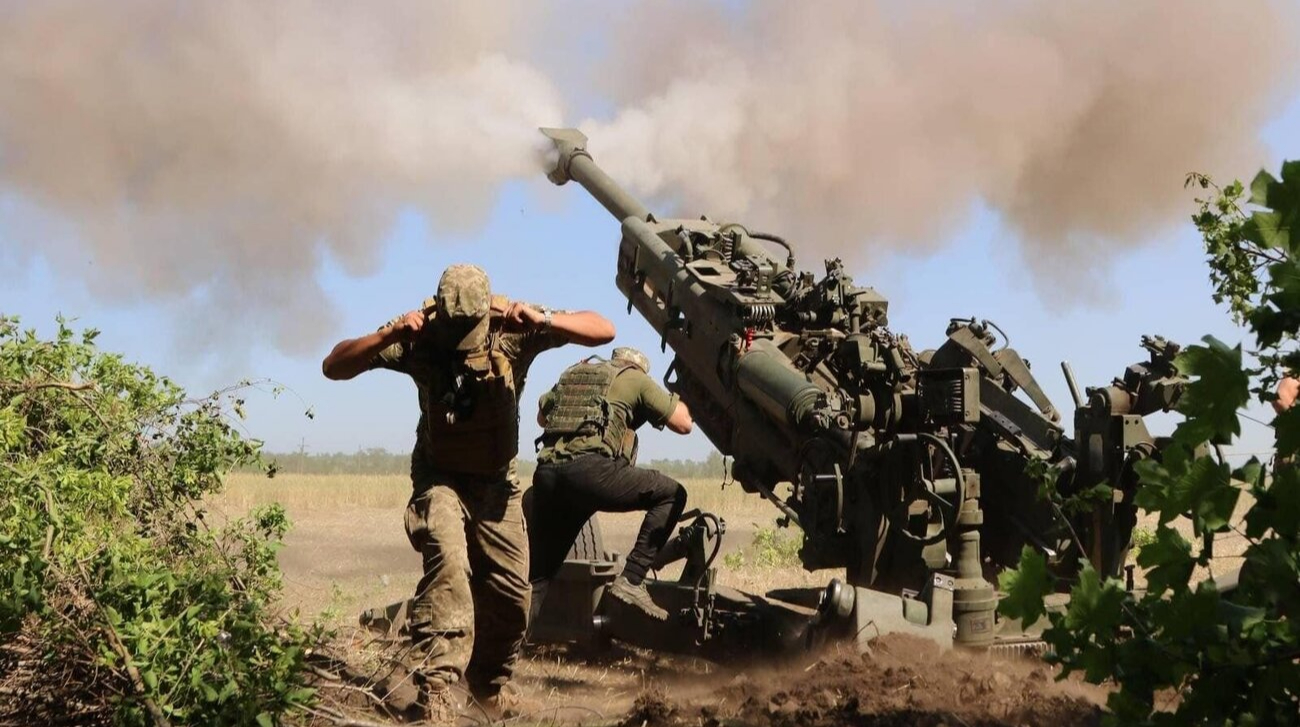
The US has reported 415 service members wounded in the war Iran conflict, with a detailed breakdown across branches provided by the Pentagon.[4] This figure includes 271 from the army, 63 from the navy, 62 from the air force, and 19 marines, reflecting casualties sustained as operations continue.[4]
These numbers represent an updated tally from the Pentagon, indicating the toll of ongoing engagements involving Iran.[4] The conflict has seen injuries reported across multiple branches, underscoring the widespread nature of US military involvement.[4] A US Air Force aircraft landing at Pakistan's Nur Khan military airbase in Rawalpindi on 20 April highlights logistical support tied to the theater.[4]
Additionally, 13 US service members have been killed since the start of Operation Epic Fury against Iran, according to Pentagon data.[5] This operation marks the formal commencement of the military campaign, with losses accumulating over the 53 days of conflict.[5]
The wounded figure—over 410 as initially noted, rising to 415—demonstrates the escalating human cost.[4][5] Army personnel bear the highest number of injuries at 271, followed by naval forces at 63, air force at 62, and marines at 19.[4] These statistics come amid continued operations, with no pause indicated in the Pentagon’s latest updates.[4]
This casualty reporting provides a snapshot of the war’s intensity, with branches like the army facing the brunt due to ground engagements, while air and naval forces contribute to broader strikes.[4] Operation Epic Fury’s death toll of 13 serves as a stark reminder of the risks involved.[5]
{IMAGE_3}
Potential Future Scenarios
Analysts have outlined four possible scenarios for the Iran-US war as ceasefire talks falter.[1] These projections come in the context of stumbling negotiations, where an expiring ceasefire and a possible deal frame the range of outcomes.[1]
The scenarios account for various paths the war Iran could take, from prolonged stalemate to potential resolutions or escalations.[1] With talks under pressure and Tehran rejecting participation, these analyst views provide a structured look at what lies ahead.[1][2]
Between the extremes of ceasefire expiration and deal-making, analysts identify multiple trajectories influenced by current diplomatic failures.[1] This analysis is timely as day 53 brings no resolution, amplifying the relevance of these forecasts.[2]
The four scenarios reflect the uncertainty: possibilities include extended military operations, partial agreements, full breakdowns, or unexpected shifts.[1] Grounded in the faltering talks, they emphasize how diplomacy’s collapse could dictate the war’s evolution.[1]
Escalating Tensions and Regional Dynamics
Tensions are escalating in areas like the Strait of Hormuz, contributing to the broader dynamics of the US-Israel war on Iran.[3] The ceasefire remains under strain, with military signaling occurring alongside diplomatic efforts.[3]
Islamabad’s role in potential second-round US-Iran talks highlights shifting regional focuses, as war timelines change and pressure builds.[3] President Trump’s adjustments—from “days” to “soon”—add to the volatility.[3]
Economic volatility accompanies these developments, impacting global concerns tied to the Strait of Hormuz.[3] Sharply diverging political narratives in Washington and Tehran exacerbate the situation, with diplomacy paralleling heightened military postures.[3]
This regional context frames the war Iran as a multifaceted challenge, where Hormuz tensions could trigger wider repercussions.[3] The interplay of military, economic, and political elements sustains the escalation.[3]
Key Updates from Recent Reports
Recent reports confirm the war Iran on day 53, with diplomatic efforts stalled as Tehran rejects talks under pressure.[2] This aligns with the US reporting over 415 service members wounded, including the branch breakdown from the Pentagon.[4]
The 415 wounded figure—271 army, 63 navy, 62 air force, 19 marines—marks the latest casualty update.[4] Diplomatic stagnation persists, with no progress beyond initial overtures.[2]
These key updates consolidate the human and strategic toll, as the conflict endures without resolution.[2][4] Pentagon data on 13 killed in Operation Epic Fury further contextualizes the reports.[5]
What to watch next
Monitor developments in Islamabad for potential second-round US-Iran talks, the status of the strained ceasefire, and updates on the four analyst scenarios as the war Iran timeline shifts.[1][3]