

War Iran: US Military Reports Significant Losses in Middle East
The ongoing war Iran conflict has resulted in large losses for the US military across the Middle East, marking a significant escalation in hostilities that have now stretched into their 65th day.[1] Intense fighting continues in southern Iran, where reports indicate deaths amid widespread destruction, while internal divisions within Iran's leadership and strains on critical infrastructure like healthcare in Tehran compound the crisis.[3][4] Diplomatic overtures persist, with Iran submitting a new 14-point proposal to the US, currently under review by former President Trump, even as he issues stark threats against the European Union.[3][5]
US Military Losses in the War Iran
Reports from monitoring services have highlighted substantial casualties and setbacks for US forces engaged in the war Iran throughout the Middle East region. Specifically, sources indicate "tổn thất lớn của quân đội Mỹ trên khắp Trung Đông trong cuộc chiến với Iran," translating to large losses of the US military across the Middle East in the war with Iran.[1] This assessment, published on May 3, 2026, underscores the breadth of the impact, spanning multiple theaters of operation beyond Iran's borders.
The nature of these losses points to a grinding campaign where US troops face sustained resistance from Iranian forces and possibly allied militias. While exact figures remain unquantified in available reports, the emphasis on "large losses" suggests a toll that has prompted strategic reassessments within US command structures. This comes at a time when the conflict, now in its extended phase, has tested the sustainability of American deployments.[1] The Middle East's geography—encompassing Iraq, Syria, and Gulf states—amplifies vulnerabilities, with supply lines stretched and exposure to asymmetric warfare tactics.
Contextually, these military setbacks align with the broader trajectory of the war Iran, which began escalating months ago and has now reached day 65. US involvement, initially framed as defensive against Iranian aggression, has evolved into direct confrontations that have eroded force effectiveness. Analysts tracking global events note that such losses could influence domestic support in the US, though no specific policy shifts are detailed in current sources. The publication timing of this report, just after day 64's reported intensification, implies real-time pressures on coalition partners.[1]
Furthermore, the dispersed nature of losses "trên khắp Trung Đông" indicates not isolated incidents but a pattern of attrition. This could involve air operations, ground engagements, or naval interdictions in the Persian Gulf. Without granular breakdowns, the report serves as a stark indicator of operational costs, potentially affecting rotation schedules and reinforcement needs. As the war Iran persists, these developments remain a focal point for military observers monitoring force readiness and tactical adaptations.[1]
Overview of the Conflict
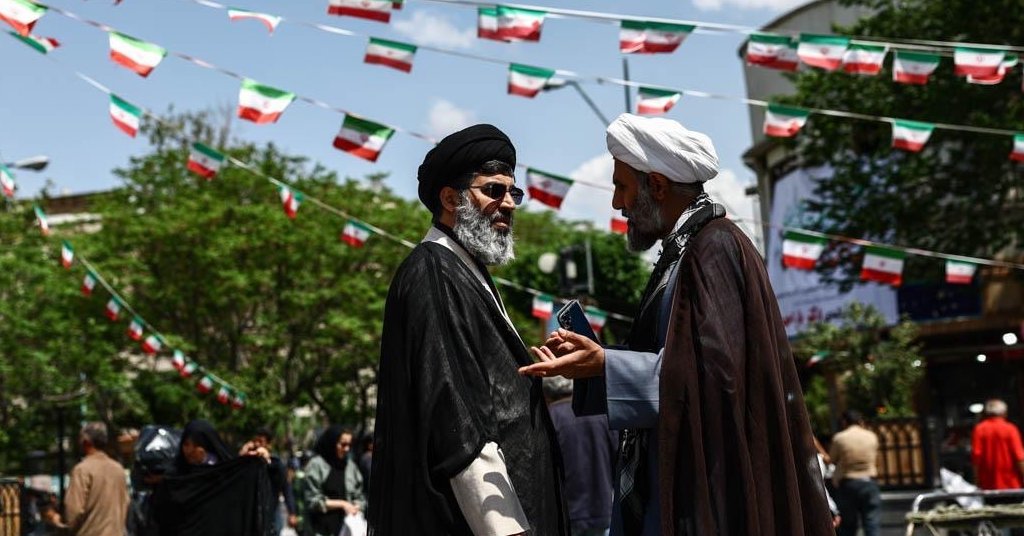
Iranian clerics show divisions amid the ongoing war with the US. — Source: iraninternational
The war Iran stands as a protracted confrontation between the United States, supported by allies including Israel, and Iranian forces, now entering its 65th day with profound regional repercussions.[3][5] Key developments include fierce combat in southern Iran on day 64, marked by fires and confirmed deaths, alongside external threats from former US President Trump directed at the European Union.[3] This overview encapsulates the conflict's duration, now exceeding two months, and its multifaceted impacts on military, societal, and diplomatic fronts.[1][3][5]
From inception, the war Iran has evolved from proxy skirmishes to full-scale engagements, exposing vulnerabilities on both sides. US military incursions have met determined resistance, leading to significant losses across the Middle East theater.[1] Iranian responses have included defensive operations in the south, where "gori jug zemlje" or the south of the country is burning, signaling widespread destruction and human cost.[3] The clerical establishment in Iran faces internal rifts, with hardliners advocating escalation against more cautious voices wary of prolonged conflict's toll.[2]
Major impacts ripple outward: infrastructure strain in Tehran, threats of broader involvement via Trump's rhetoric, and nascent diplomatic channels.[3][4][5] The conflict's length—64 days of reported southern battles leading into day 65—highlights a stalemate, with neither side achieving decisive gains. US losses have been described as large, potentially shifting momentum, while Iran's resilience tests coalition resolve.[1] Published updates from May 2 and 3, 2026, capture this snapshot, emphasizing the war's intensity.[3]
In summary, the war Iran encapsulates a complex interplay of military attrition, internal discord, and international posturing. Its duration has amplified economic pressures, civilian hardships, and geopolitical tensions, setting the stage for potential turning points in negotiations or escalations.[1][3][5]
Military and Casualty Reports
Detailed accounts from the war Iran reveal ongoing heavy fighting and casualties, particularly on day 64 in southern Iran, where the region is engulfed in flames with multiple deaths reported.[3] US military losses, characterized as large across the Middle East, further illustrate the human and material cost of sustained operations.[1] These reports, drawn from global event monitoring, paint a picture of relentless combat without respite.
Southern Iran's battles represent a critical front, with "gori jug zemlje, ima mrtvih"—the south burning, there are dead—indicating urban and rural devastation.[3] This escalation coincides with broader US engagements, where forces have suffered significant setbacks in diverse locales from Iraq to the Gulf.[1] Casualty figures, though not itemized, underscore a pattern of attrition that challenges operational tempo. Trump's simultaneous threat of EU destruction adds a layer of psychological warfare, potentially aimed at deterring European mediation.[3]
The military dynamics suggest Iranian defenses holding firm against aerial and ground assaults, inflicting costs that accumulate over 64 days. US reports of large losses imply vulnerabilities in forward positions, possibly due to improved Iranian missile capabilities or guerrilla tactics.[1] Day 64's intensity foreshadows continued bloodshed, as southern strongholds become focal points for control. These casualty reports, published May 2, 2026, serve as timely indicators of the war's ferocity.[3]
Overall, the military and casualty landscape in the war Iran reflects a war of endurance, where daily tolls erode capabilities on both sides. Monitoring sources emphasize the immediacy of these events, urging attention to evolving frontlines.[1][3]
Internal Impacts in Iran
The war Iran has laid bare deep divisions within Iran’s clerical establishment, where hardline factions push for escalation while others warn of the unsustainable costs of prolonged fighting.[2] Compounding this, Tehran’s healthcare system teeters on the brink of collapse, overwhelmed by war-related demands.[4]
Clerical splits, unusually public amid the "war shadow," pit escalatory rhetoric against pragmatic cautions, signaling potential fractures in unified command.[2] This internal tension arises as the conflict exposes leadership vulnerabilities, with clerics debating the merits of defiance versus negotiation. Hardliners' calls clash directly with cost assessments, possibly influencing military directives and public morale.
Simultaneously, healthcare in Tehran faces existential strain: "Iran’s healthcare system nears collapse amid war," with hospitals inundated by casualties, shortages, and infrastructure damage.[4] The capital, a nerve center, grapples with resource depletion, where wartime injuries overwhelm capacity. This crisis amplifies societal pressures, as civilian access to care diminishes amid blackouts and supply disruptions.
These internal impacts—divisions among clerics and healthcare breakdown—interlink, eroding Iran's homefront stability.[2][4] The war's duration exacerbates clerics' debates, as economic fallout and casualties mount. Tehran's brink status, reported without date but contextually tied to ongoing hostilities, highlights cascading failures in essential services.
In essence, the war Iran is reshaping Iran's domestic fabric, with clerical discord and healthcare collapse posing risks to regime cohesion.[2][4]
Diplomatic and Negotiation Efforts
Widespread destruction in southern Iran amid ongoing war conflicts. — Source: gdelt
Diplomatic maneuvers in the war Iran include Iran's submission of a new 14-point proposal to the US on day 65, now under review by former President Trump.[5] This comes amid Trump's threats against the EU on day 64, blending coercion with potential de-escalation paths.[3][5]
The 14-point plan represents a structured bid to end the conflict, addressing likely issues from ceasefires to territorial claims, though specifics remain undisclosed.[5] Trump's review process signals openness, contrasting his EU warning of "uništenjem" or destruction, possibly to pressure allies into alignment.[3] Al Jazeera's coverage frames day 65 as pivotal, questioning outcomes of this "new plan to end war."[5]
These efforts occur against military backdrops, where US losses and Iranian resilience necessitate talks.[1][5] The proposal's timing—post-day 64 fighting—suggests Tehran seeking leverage from southern defenses. Trump's dual role as threatener and reviewer embodies US strategy: deterrence paired with negotiation.
Broader international responses, implied by EU targeting, indicate ripple effects, with Europe potentially sidelined.[3] Sources position these as key to resolution, balancing hard power with diplomacy.[3][5]
Recent Events and Timeline
The war Iran timeline crystallizes around days 64 and 65, with day 64 featuring southern Iran's inferno, deaths, and Trump's EU threat, followed by Iran's 14-point proposal on day 65 under Trump review.[3][5]
On day 64 (May 2, 2026), "Rat u Iranu, 64. dan: Gori jug zemlje, ima mrtvih, Tramp preti EU uništenjem"—war in Iran, day 64: south burning, deaths, Trump threatens EU destruction—marked peak violence.[3] This segued into day 65, where Iran dispatched its proposal, headlined as "Iran war: What’s happening on day 65 as Trump reviews new plan to end war?"[5]
This sequence—from combat to diplomacy—highlights volatility, with southern clashes providing negotiation impetus.[3][5] US losses contextualize the push, as attrition prompts de-escalation bids.[1] Timeline publications bracket events tightly, underscoring rapidity.[3][5]
These recent markers define the war Iran's current phase, blending battlefield urgency with peace prospects.[3][5]
What to watch next: Observers should monitor Trump's response to Iran's 14-point proposal, potential escalations from clerical hardliners, and the status of southern fighting, as these could dictate whether the war Iran trends toward resolution or further intensification.[2][3][5]






