War Iran: Trump Unhappy with Latest Proposal to End Conflict
US President Donald Trump is unhappy with Iran's latest proposal to end the two-month war iran, as reported by US officials.[2][3][4] The proposal, which would postpone discussions on Iran's nuclear program until after the war ends and disputes over Gulf shipping are resolved, has drawn dissatisfaction from Washington amid ongoing diplomatic efforts on day 60 of the conflict.[1][2] The war iran has disrupted energy supplies, fueled inflation, and resulted in thousands of deaths, while creating pressure on global economies, including calls in Japan for energy-saving measures.[2][3][4][5]
Current Status of the Iran War
On day 60 of the war iran, diplomatic efforts are gathering pace as the Trump administration reviews a peace plan aimed at resolving the protracted conflict.[1] The situation remains tense, with the United States and its allies, including Israel, engaged in military actions against Iran that have extended into their second month.[4] Central to these diplomatic maneuvers is a proposed reopening of the Strait of Hormuz, a critical chokepoint through which a fifth of the world's traded oil and gas passes during peacetime.[1][4] This strait has been at the heart of the standoff between Washington and Tehran, with shipping disputes exacerbating the blockade and contributing to widespread disruptions.[2][4]
The conflict's longevity—now marking 60 days—has intensified the urgency for resolution, as initial military objectives appear to have evolved into a broader struggle over regional security and economic stability.[1] US officials have indicated that while talks are advancing, key sticking points persist, particularly around the sequencing of negotiations.[1][2] The Trump team's active review of the peace plan underscores a commitment to diplomacy, even as military operations continue, highlighting the delicate balance between pressure tactics and negotiation in the Middle East theater.[1][4] This overview reflects the fluid status of the war iran, where incremental progress in talks contrasts with the persistent human and economic toll.[1]
Details of Iran's Latest Peace Proposal
Iran's latest peace proposal centers on deferring discussions about its nuclear program until after the cessation of hostilities and the resolution of disputes over shipping from the Gulf.[2][3][4] Specifically, Tehran has suggested setting aside nuclear talks—a core US demand—for a later stage, prioritizing instead an end to the fighting and normalization of maritime routes.[1][2] This approach would effectively link nuclear negotiations to the war's conclusion and the settling of Gulf shipping issues, which have been flashpoints since the conflict's onset.[2][3][4]
The proposal emerges against the backdrop of stalled progress, with Iran positioning the delay as a pragmatic step to de-escalate immediate threats.[4] However, details remain sparse in public reporting, though US officials have characterized it as insufficiently addressing Washington's priorities.[2][3] The emphasis on Gulf shipping underscores the strategic importance of the Strait of Hormuz, where disruptions have ripple effects far beyond the region.[4] By proposing to handle nuclear matters post-war, Iran aims to separate immediate ceasefire terms from longer-term disarmament discussions, a sequencing that diverges sharply from US expectations.[1][2] This element of the plan has been highlighted in live updates from the conflict, illustrating Tehran's attempt to regain initiative in a war that has favored its adversaries militarily.[4]
Trump's Response and US Position
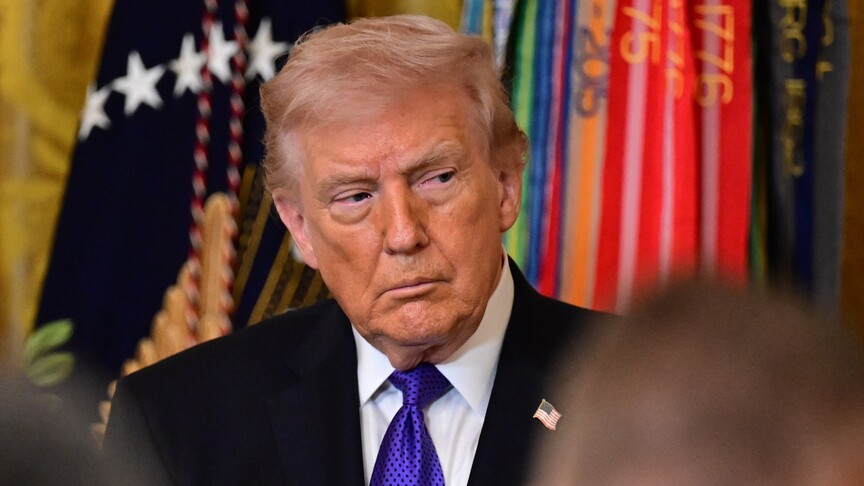
US President Donald Trump has expressed clear unhappiness with Iran's latest proposal, according to a US official, signaling a dampening of hopes for swift resolution.[2][3][4] This dissatisfaction stems from the proposal's deferral of nuclear discussions, which the United States insists must be addressed upfront rather than postponed.[2] Washington's stance is firm: nuclear issues cannot be sidelined until the war ends and shipping disputes are resolved, as this would undermine core security objectives.[2][3]
Trump's reaction, relayed through official channels, reflects broader frustrations with Iran's negotiating posture amid the two-month conflict.[2][4] The US position prioritizes integrating nuclear concessions into any peace framework, viewing delays as a tactic to evade accountability.[2] This has created a standoff, particularly over the Strait of Hormuz, where military leverage is being used to press for comprehensive terms.[4] Officials note that while the Trump team is reviewing elements of a peace plan, including Hormuz reopening, the nuclear deferral represents a non-starter.[1][2] The president's direct involvement underscores the high stakes, with his unhappiness potentially hardening US demands as diplomacy intensifies.[3][4]
Impacts of the War
The ongoing war has inflicted severe consequences, disrupting energy supplies on a global scale, fueling inflation, and resulting in thousands of deaths.[2][3] Energy markets have been upended by interruptions in Gulf shipping, particularly through the Strait of Hormuz, leading to supply chain vulnerabilities that have driven up costs worldwide.[2][4] Inflationary pressures have mounted as oil and gas prices fluctuate amid the uncertainty, affecting consumers and economies dependent on stable imports.[2][3]
Casualties from the two-month conflict number in the thousands, a grim toll that has heightened calls for de-escalation.[2][3] The war's intensity, involving US and Israeli operations against Iran, has led to widespread destruction and humanitarian challenges.[4] These impacts extend beyond the battlefield, with economic ripple effects amplifying the urgency of diplomatic breakthroughs.[2] The combination of energy shortages, rising prices, and loss of life has created a multifaceted crisis, underscoring why proposals like Iran's are under intense scrutiny despite their shortcomings.[3][4]
Global and Regional Effects
The war's repercussions are felt far beyond the Middle East, placing pressure on nations like Japan to implement energy-saving measures amid fears of shortages.[4][5] In Japan, public sentiment favors conservation efforts as the conflict disrupts global energy flows, challenging Prime Minister Takaichi's administration to address anxiety over potential supply gaps.[5] The Strait of Hormuz's role in transporting a fifth of the world's oil and gas amplifies these vulnerabilities, with Asian economies particularly exposed.[4]
Regionally, Gulf shipping disputes have compounded the strain, affecting trade routes critical to international commerce.[2][4] This has prompted proactive steps in energy-dependent countries, where the war's prolongation risks exacerbating shortages and economic slowdowns.[5] Japan's situation exemplifies how the conflict's energy disruptions translate into domestic policy pressures, with public demands for action highlighting the interconnected nature of global markets.[4][5]
What to watch next: As the Trump team continues reviewing the peace plan on day 60, focus will remain on whether Iran adjusts its nuclear deferral stance and if progress on reopening the Strait of Hormuz can advance amid ongoing US dissatisfaction.[1][2][4]