
Strike on Russia: Ukraine's Drones Cause Massive Fire at Tuapse Oil Refinery
In a significant escalation of the strike on Russia, Ukraine's drones have targeted the Tuapse oil refinery, igniting a massive fire and deepening the ongoing disaster at the facility.[1] This latest incident has prompted immediate emergency responses, including evacuations and firefighting efforts involving hundreds of personnel, as local authorities work to contain the blaze at the Black Sea facility.[2][3]
The Drone Strike on Tuapse Oil Refinery
The drone strike on Russia has once again hit the Tuapse oil refinery, a critical energy infrastructure site on the Black Sea coast, marking a repeat attack that has intensified the challenges facing the facility.[1] According to reports, Ukraine's drones struck the refinery, leading directly to the outbreak of a substantial fire.[3] This event follows a pattern of aerial incursions targeting Russian energy assets, with local officials confirming the drone attack as the trigger for the latest emergency.[2] The Tuapse refinery, operated in a region vulnerable to such strikes due to its coastal location, has now become the focal point of heightened tensions, as the precision and impact of these drone operations underscore ongoing military dynamics in the area.[1][3] Details from the scene indicate that the strike occurred recently, with the fire erupting shortly thereafter, forcing a rapid mobilization of response teams.[2] Russian authorities have attributed the incident squarely to Ukrainian drone activity, describing it as a deliberate action that has compounded existing vulnerabilities at the site.[1] The refinery's exposure to such attacks highlights the strategic importance of Black Sea energy infrastructure, where drone capabilities have repeatedly tested defensive measures.[3] Eyewitness accounts and official statements paint a picture of a sudden assault disrupting normal operations and safety protocols, with the fire's scale necessitating widespread precautions.[2]
Fire and Evacuation Response
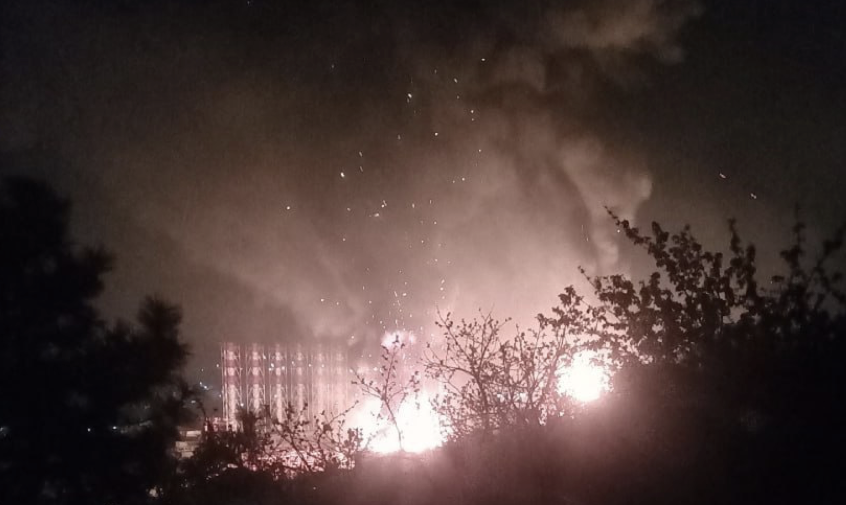
A massive fire broke out at the Tuapse oil refinery immediately following the drone attack, prompting a large-scale evacuation of nearby residents and buildings.[2][3] Krasnodar region governor Veniamin Kondratyev reported that 164 people are actively working to extinguish the blaze, underscoring the intensity of the emergency response underway.[2] Local officials have evacuated structures in close proximity to the facility to ensure public safety amid the "large-scale fire," as described in detailed updates from the scene.[3] These measures reflect standard protocols for industrial fires at oil refineries, where the risk of escalation due to flammable materials demands swift action.[2] The evacuation process has been methodical, targeting residential and commercial buildings nearest to the refinery to minimize potential harm from smoke, heat, or further incidents.[3] Firefighting operations involve coordinated efforts from emergency services, with the governor's office providing real-time assessments of the situation.[2] The response highlights the logistical challenges of managing a fire at a major export-oriented refinery, where containment is critical to prevent environmental and economic fallout.[3] Ongoing efforts continue as crews battle the flames, with no immediate reports of casualties but a clear focus on stabilizing the area.[2]
Impact on Refinery Operations
The Tuapse oil refinery, owned by Rosneft, has seen its operations completely halted since April 16, following an earlier drone attack that set the stage for this latest disruption.[3] This prior incident left the facility in a vulnerable state, and the recent strike has further entrenched its downtime, preventing any resumption of production activities.[3] Primarily serving export markets, the refinery processes oil products destined for international shipment, making its prolonged shutdown a notable blow to Russia's energy export logistics.[3] Industry sources note that the combination of the April 16 attack and the current fire has created a compounding effect, with safety inspections and repairs now imperative before any operations can restart.[3] The facility's role in the Black Sea export chain means that these interruptions ripple through supply networks, though specific production figures remain tied to the halted status.[3] Russian energy sector observers have pointed to the refinery's export focus as a key factor in its targeting, but operational impacts are confined to the confirmed suspension.[3] With the fire still active, prospects for near-term recovery appear limited, as firefighting and damage assessments take precedence.[3]
Broader Context of the Incident
Russia’s Tuapse oil refinery disaster has deepened significantly after Ukraine’s drones struck yet again, framing this event as part of an ongoing series of attacks on the facility.[1] The refinery's primary function in delivering oil products for exports positions it as a strategic asset, vulnerable to repeated drone incursions that exploit its Black Sea location.[3] This latest strike builds on the earlier April 16 drone attack, which initially halted operations and set a precedent for the current crisis.[3] Russian authorities have described the situation as an exacerbation of prior damage, with the new fire adding layers of complexity to recovery efforts.[1] The incident underscores the persistent targeting of energy infrastructure in the region, where drone technology has enabled strikes deep into Russian territory.[1][3] Without introducing external developments, the refinery's export-oriented role remains central, as disruptions here affect broader energy flows from the Black Sea area.[3] Official narratives emphasize the "disaster deepening," reflecting a narrative of cumulative impact from successive attacks.[1]
Official Reports and Ongoing Efforts
Official reports from Russian regional leadership provide a clear picture of the response to the drone-induced fire at the Tuapse oil refinery.[2] Krasnodar governor Veniamin Kondratyev stated that a ‘massive’ fire is raging at the Black Sea facility following the attack, with 164 personnel deployed specifically for extinguishing operations.[2] Evacuation of residents near the refinery is underway, as confirmed by the governor, ensuring that populations in the immediate vicinity are relocated to safety.[2] These statements serve as the primary source of real-time updates, detailing the scale of the firefighting commitment and the proactive evacuation measures.[2] Authorities continue to monitor the situation closely, with no further details on containment timelines but a commitment to ongoing efforts.[2] The governor's direct involvement highlights the incident's priority status within regional administration.[2]
What to watch next: Updates on the firefighting progress at the Tuapse refinery, where 164 personnel remain engaged, and any developments regarding the evacuation status or operational resumption timeline, as reported by local officials.[2][3]