War Iran: Iran Reports 3,468 Deaths in Conflict with US and Israel
In the ongoing war Iran involving Iran, the United States, and Israel, an official from Iran has reported a death toll of 3,468, underscoring the mounting human cost of the conflict.[4] This figure comes amid fresh tensions, including Iran's decision to shut the Strait of Hormuz again after a brief reopening, which has injected new uncertainty into the war.[2] Meanwhile, the Pentagon faces depleting missile stocks due to the sustained demands of the fighting,[3] there are no indications of regime collapse in Iran despite prolonged US and Israeli strikes,[5] and Iranian statements highlight "good progress" in talks without confirming any agreement.[2]
Overview of the Conflict
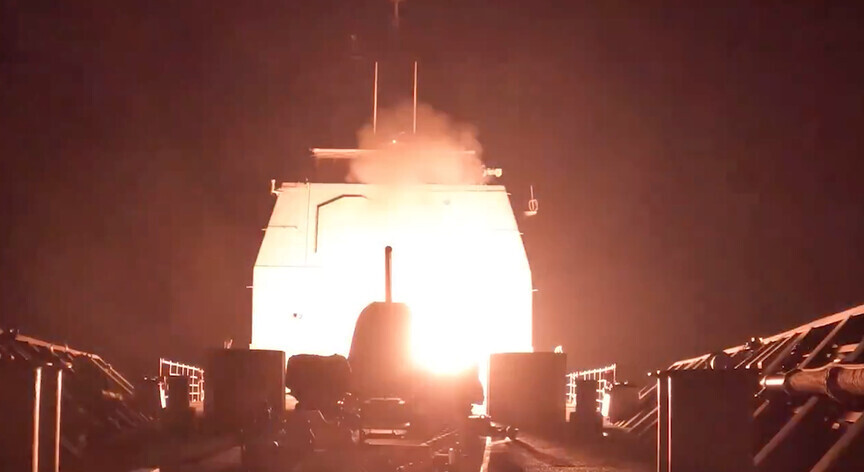
The war Iran between Iran, the US, and Israel traces its origins to February 28, when the US and Israel initiated military actions against Iran.[2] This launch marked the beginning of a broader confrontation that has persisted for weeks, characterized by repeated strikes and escalating tensions. The conflict has drawn international attention due to its potential to disrupt global energy supplies and regional stability, with Iran's responses adding layers of complexity. According to updates from the front lines, the hostilities have involved sustained aerial campaigns and naval maneuvers, setting the stage for subsequent developments in key strategic areas.[2]
Iran's positioning in this war Iran scenario reflects a calculated resilience, as its leadership has managed to maintain operational continuity amid external pressures. The initiation on February 28 was not an isolated event but part of a sequence of escalations, where pre-existing rivalries over nuclear programs, proxy forces, and regional influence boiled over into direct warfare.[2] Observers note that the US and Israel's coordinated strikes aimed to degrade Iran's military capabilities, yet the conflict has evolved into a protracted engagement. This overview highlights how the war Iran has shifted from initial strikes to a multifaceted struggle involving economic chokepoints, ammunition sustainability, and diplomatic maneuvering.[2]
The backdrop includes years of simmering tensions, but the explicit start date of February 28 provides a clear timeline for the current phase.[2] Iranian officials have framed their responses as defensive, while the US and Israel have justified actions as preemptive against perceived threats. This foundational context explains the persistence of the fighting, with no quick resolution in sight. Detailed live updates from the period emphasize the rapid progression from launch to ongoing operations, underscoring the war's intensity.[2] As the conflict enters its later weeks, the interplay of military, economic, and political elements continues to define its trajectory.
Recent Developments in the Hormuz Strait
Iran's recent maneuvers in the Strait of Hormuz represent a significant escalation in the war Iran, with the country executing a U-turn on Saturday by shutting the vital energy chokepoint once more after a brief order to reopen it.[2] This closure has reimposed a deadlock, heightening uncertainty across global markets and military strategies. The Strait of Hormuz, a narrow waterway through which a substantial portion of the world's oil passes, has long been a flashpoint, and its repeated closures amplify the strategic stakes of the conflict.[2]
The brief reprieve followed an earlier Iranian directive to allow passage, but the swift reversal signals Tehran's willingness to leverage this asset amid the pressures of war.[2] Live updates describe this as adding "fresh uncertainty to the war," directly linking the naval action to the broader hostilities launched by the US and Israel.[2] The implications extend to energy security, as tankers and commercial shipping now face heightened risks, potentially driving up prices and complicating logistics for all parties involved. Iran's control over the strait serves as a counterbalance to aerial and missile strikes, demonstrating asymmetric tactics in the war Iran dynamics.[2]
Analysts tracking these developments note that the Hormuz situation evolves rapidly, with each closure prompting responses from coalition forces. The Saturday shutdown, in particular, came after initial optimism from the reopening, illustrating the volatility of negotiations and military posturing.[2] This pattern of open-close cycles disrupts not only trade but also military resupply efforts, forcing the US and Israel to adapt their operational plans. The strait’s role as an energy choke point underscores its centrality, where Iran's actions can instantaneously alter the conflict's economic dimension.[2]
{IMAGE_2}
Military and Ammunition Status
The Pentagon's missile stocks are experiencing significant depletion due to the relentless demands of the war Iran with Iran and Israel, as highlighted in reports on US ammunition challenges.[3] Titled "Trump Kehabisan Amunisi Selama Perang Iran - Israel," which translates to concerns over running out of ammunition during the Iran-Israel war, the analysis points directly to shrinking Pentagon missile reserves.[3] This shortage stems from the high consumption rates in sustained operations against Iranian targets, straining production and logistics chains.
In the context of the ongoing hostilities, the US faces a critical juncture where missile inventories, essential for precision strikes, are dwindling.[3] The war's intensity, involving weeks of engagements, has accelerated usage beyond replenishment capacities, raising questions about long-term sustainability. Reports detail how this depletion affects operational tempo, potentially limiting the scope of future missions.[3] Trump's administration, referenced in the coverage, grapples with these constraints, which could influence strategic decisions in the war Iran theater.
The causes of the stockpile reduction include both the volume of launches and the sophistication of munitions required against hardened Iranian defenses.[3] Pentagon planners must now prioritize targets amid finite resources, a shift that could prolong the conflict. This ammunition crisis is not isolated but intertwined with broader supply chain issues exacerbated by the war's scale.[3] Comparative assessments suggest that while Israel maintains its posture, US support is increasingly bottlenecked, altering the balance of firepower.
Casualties and Human Impact
An official statement from Iran has put the death toll at 3,468 in the war Iran with the US and Israel, providing the most recent official tally amid the relentless fighting.[4] Published by The Straits Times, this figure encapsulates the human toll after weeks of bombardment and counterstrikes, reflecting the conflict's severity.[4] The report, headlined "Iran reports 3,468 dead in war with US, Israel: Official," underscores the scale of losses on the Iranian side.
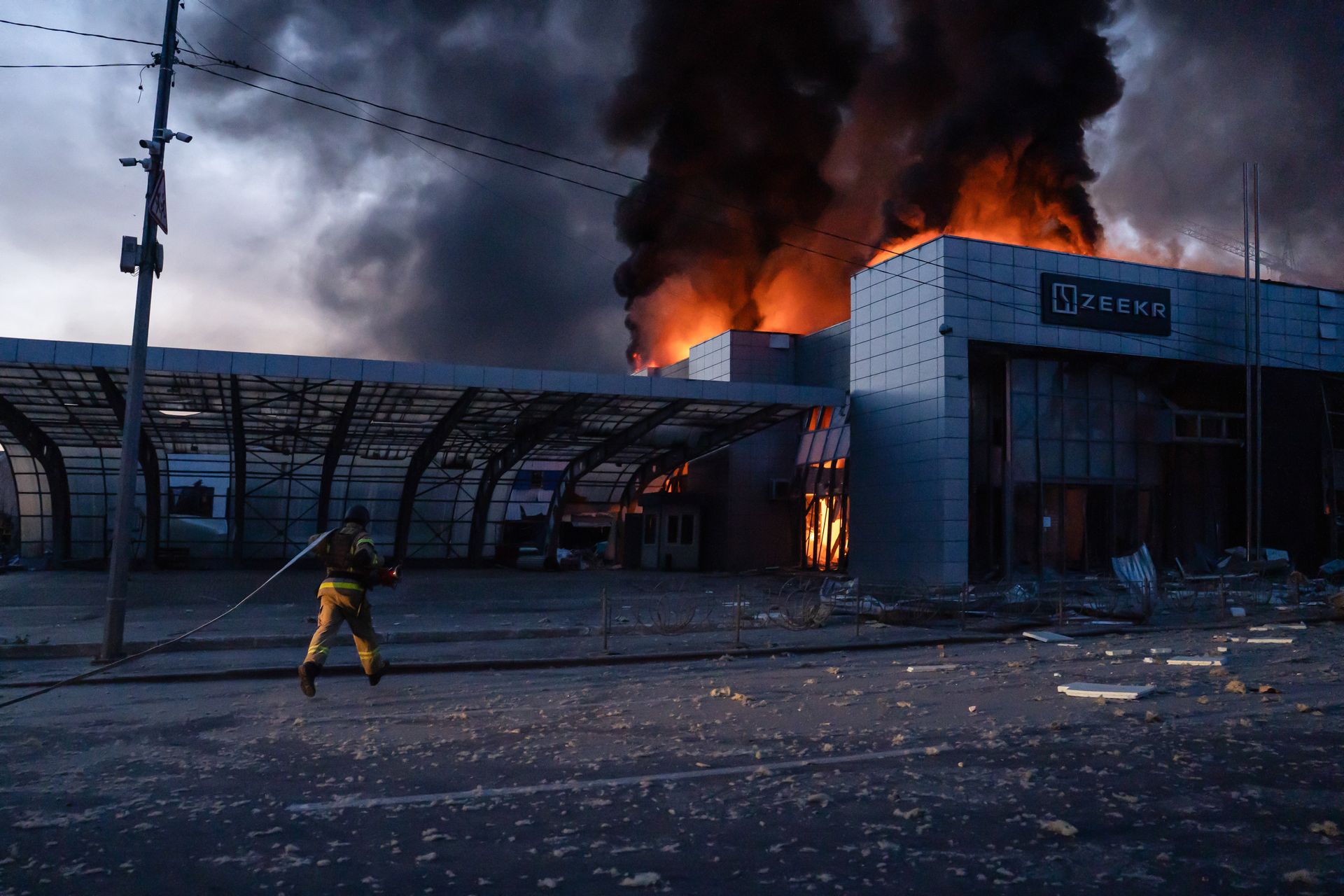
This casualty number emerges from a context of continuous US and Israeli operations, where urban areas, military sites, and infrastructure have borne the brunt.[4] Iranian authorities' disclosure offers a snapshot of the war's impact, though verification remains challenging in active combat zones. The human cost extends beyond numbers, affecting families, communities, and national morale, yet official narratives frame it within a narrative of endurance.[4]
The 3,468 deaths highlight the protracted nature of the engagements, with strikes accumulating over time.[4] International coverage notes this as a key metric for assessing the war's progression, influencing both domestic sentiment in Iran and global perceptions. While specifics on civilian versus military losses are not detailed, the aggregate figure signals deepening humanitarian concerns.[4]
{IMAGE_3}
Regime Stability
Despite enduring weeks of US and Israeli strikes, there are no signs of regime collapse in Iran, according to analyses of the leadership's resilience.[5] France 24 reports emphasize that Iran's government remains "entrenched," weathering the onslaught without fracturing.[5] This stability persists amid foreign calls for regime change, as economic pressures, repression, and war damage intensify internal tensions but fail to dislodge those in power.[5]
The absence of collapse indicators—such as mass defections or uprisings—points to effective control mechanisms and rallied national support in the face of external aggression.[5] Analysts observe that the regime has navigated the strikes by distributing damage and maintaining core command structures. Weeks into the war Iran, this endurance challenges expectations of swift capitulation.[5]
Deepening tensions from war damage are acknowledged, yet they have not translated into systemic failure.[5] The leadership's grip, bolstered by repression and economic adaptations, sustains operations. This section of the war Iran narrative reveals a fortified position, where strikes degrade capabilities but not governance.
Diplomatic Efforts
Iran has described "good progress" in ceasefire talks, though it confirms no deal has been reached, injecting cautious optimism into the war Iran landscape.[2] These statements, amid the Hormuz tensions, suggest ongoing negotiations that could shape the conflict's endgame.[2] France 24 notes Iranians watching for whether talks lead to broader negotiations, with uncertainty lingering.[5]
The diplomatic channel remains active, with Iranian updates highlighting advancements without finality.[2] This progress occurs against a backdrop of persistent strikes, where both sides test resolve while exploring off-ramps.[5] No regime collapse aids Tehran's bargaining position, allowing it to engage from strength.[5]
Ceasefire discussions face hurdles from military realities, like ammunition strains and strait closures, yet "good progress" signals potential momentum.[2][5] The status quo of talks without agreement keeps all parties vigilant.
What to watch next includes developments in the Strait of Hormuz for renewed openings or escalations, progress in ceasefire negotiations amid claims of advancement but no deal, and any shifts in regime stability or US missile sustainability as the war Iran continues.[2][3][5]