War Iran: Hormuz Strait Closed Again Amid Ongoing Conflict
Iran has again shut the Hormuz strait, reversing a brief reopening and adding uncertainty to the US-Iran war that was launched by the US and Israel on February 28.[2] This development comes amid reports of 'good progress' in talks between Iran and involved parties, though no deal has been reached.[2] The Pentagon's missile stocks are depleting due to the demands of the Iran-Israel war, with Trump facing ammunition shortages during the ongoing conflict.[3] A report also mentions 'three watches' in the context of the Iran war, though its specific meaning remains unclear from available details.[1]
Latest Updates on the Hormuz Strait
The Hormuz strait, a critical energy choke point, has once again become a flashpoint in the escalating tensions of the US-Iran war.[2] Iran executed a sudden u-turn on Saturday, shutting the strait after a brief order to reopen it, which has injected fresh uncertainty into the conflict.[2] This reversal underscores the volatile nature of the situation, where maritime access vital for global oil shipments is being leveraged as a strategic tool. The strait's closure disrupts a significant portion of the world's oil trade, amplifying economic pressures on international markets already strained by the war's onset on February 28.[2] Iranian actions here are not isolated; they reflect a pattern of tactical maneuvers aimed at countering the military initiatives launched by the US and Israel. While the exact duration of this latest shutdown remains unspecified, its timing—following a short reprieve—highlights the fragility of any de-escalation efforts.[2] Analysts note that such blockades historically serve to signal resolve and deter further aggression, though they risk broadening the conflict's scope. The Pentagon and allied forces must now contend with logistical challenges in the region, as secure sea lanes are essential for resupply and operations. This development compounds existing strains on military resources, setting the stage for prolonged uncertainty in the war iran theater.[2]
Status of Negotiations Between Iran and Other Parties
Iran has publicly stated that talks with involved parties are showing 'good progress,' yet no finalized deal has emerged to ease the ongoing US-Iran war.[2] These negotiations, conducted amid the Hormuz strait deadlock, represent a diplomatic channel parallel to military escalations. Iranian officials' optimistic language suggests incremental advancements, possibly on issues like ceasefire terms or sanctions relief, but the absence of a concrete agreement points to persistent sticking points.[2] The brief reopening and subsequent re-closure of the strait may have been tied to these discussions, with Iran using the choke point as leverage to strengthen its bargaining position.[2] Involved parties—likely including the US, Israel, and regional stakeholders—face a complex tableau where military actions launched on February 28 continue to overshadow diplomatic overtures. The lack of a deal prolongs the war's momentum, forcing all sides to balance negotiation timelines against operational imperatives. Iran's reporting of progress could indicate willingness for compromise, but without breakthroughs, the strait remains shut, and hostilities persist. This stalemate mirrors broader patterns in the conflict, where rhetorical gains have yet to translate into tangible resolutions.[2]
Ammunition Shortages in the Conflict
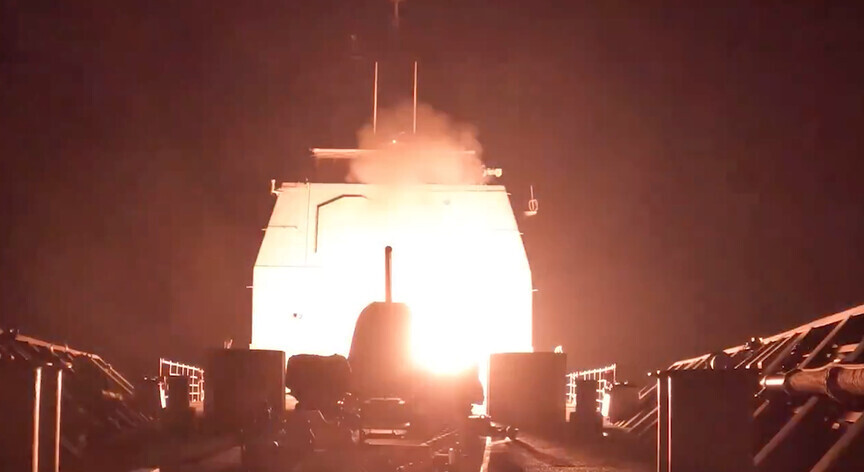
The US is grappling with severe ammunition shortages in the Iran-Israel war, primarily driven by the rapid depletion of the Pentagon's missile stocks.[3] President Trump is reportedly out of ammunition during this phase of the conflict, a situation exacerbated by the intense demands of sustained operations.[3] The reasons for the thinning missile reserves include high consumption rates in engagements against Iranian targets, as well as production and supply chain bottlenecks that have not kept pace with wartime needs.[3] This scarcity poses significant risks to US and allied forces, potentially limiting strike capabilities and forcing tactical adjustments in the war iran landscape. Detailed assessments highlight how the February 28 launch of hostilities by the US and Israel has accelerated usage, outstripping replenishment efforts.[2][3] Pentagon stockpiles, once robust, are now critically low, prompting concerns over sustainability in a prolonged campaign. Factors such as manufacturing delays and prioritization of other munitions contribute to this shortfall, underscoring vulnerabilities in modern warfare logistics.[3] Military planners must navigate these constraints carefully, as diminished firepower could embolden Iranian responses, including further strait closures. The situation illustrates the material toll of the conflict, where initial advantages are eroding under continuous pressure.[3]
Background of the US-Iran War
The US-Iran war traces its immediate origins to February 28, when the US and Israel initiated military actions against Iran.[2] This launch marked a dramatic escalation, transforming longstanding tensions into open conflict involving missile exchanges, airstrikes, and naval maneuvers.[2][3] The involvement of Israel alongside the US frames the war as a coalition effort, with shared strategic interests in countering Iranian influence.[3] Key triggers likely stem from prior provocations, though the February 28 date serves as the pivotal flashpoint.[2] Since then, the conflict has encompassed the Hormuz strait as a central battleground, with Iran's shutdowns responding to these offensives.[2] Pentagon missile depletions reflect the intensity of operations from the war's outset, straining US resources early on.[3] Trump's leadership during this period has been marked by these logistical challenges, highlighting the war's unforeseen demands.[3] The Iran-Israel dimension adds layers, as mutual strikes have depleted arsenals on both sides.[3] Broader context includes regional alliances and energy security, with the strait's role amplifying global stakes. Despite negotiation progress claims, the war persists without resolution, rooted in this foundational US-Israel initiative.[2][3]
Miscellaneous Reports from the War
Amid the broader US-Iran war coverage, a notable report references 'three watches' in the context of the Iran war, though its precise meaning eludes clear definition from available details.[1] Published on April 19, this item from GDELT monitoring—"Ba chiếc đồng hồ trong cuộc chiến Iran," translating to "Three watches in the Iran war"—appears to capture an enigmatic aspect of the conflict's narrative.[1] Such mentions could pertain to operational timelines, surveillance mechanisms, or symbolic elements in military reporting, but without elaboration, it remains a peripheral curiosity. This report emerges alongside dominant themes like strait closures and ammunition woes, potentially alluding to phased strategies or monitoring protocols in the war iran efforts.[1] GDELT's aggregation of global media underscores how disparate details surface in wartime discourse, even if their significance is opaque. Cross-referencing with updates on Hormuz and missile stocks, it fits into a mosaic of evolving intelligence and rhetoric.[1][2][3] While not central, such reports contribute to the informational fog of war, where interpretations vary. Further clarification may emerge as the conflict unfolds, but currently, it stands as an intriguing footnote.[1]
What to watch next: Monitor developments in Iran-US talks for any deal breakthrough, as 'good progress' has been claimed but not yet realized,[2] alongside Pentagon efforts to address missile stock depletions amid ongoing operations.[3]