
War in Ukraine: Zelenskyy Warns Air Defence Missiles May Run Out Amid Russian Attacks
In the ongoing war in Ukraine, President Volodymyr Zelenskyy has issued a stark warning about the vulnerability of the country's air defences, stating that interceptor missiles could be depleted in any given week depending on the scale of Russian attacks.[2] This comes amid persistent Russian aggression, where Zelenskyy emphasized the critical shortages in both air defence systems and missiles, underscoring the precarious balance Ukraine maintains in protecting its skies.[2]
Zelenskyy's Warning on Air Defence Shortages
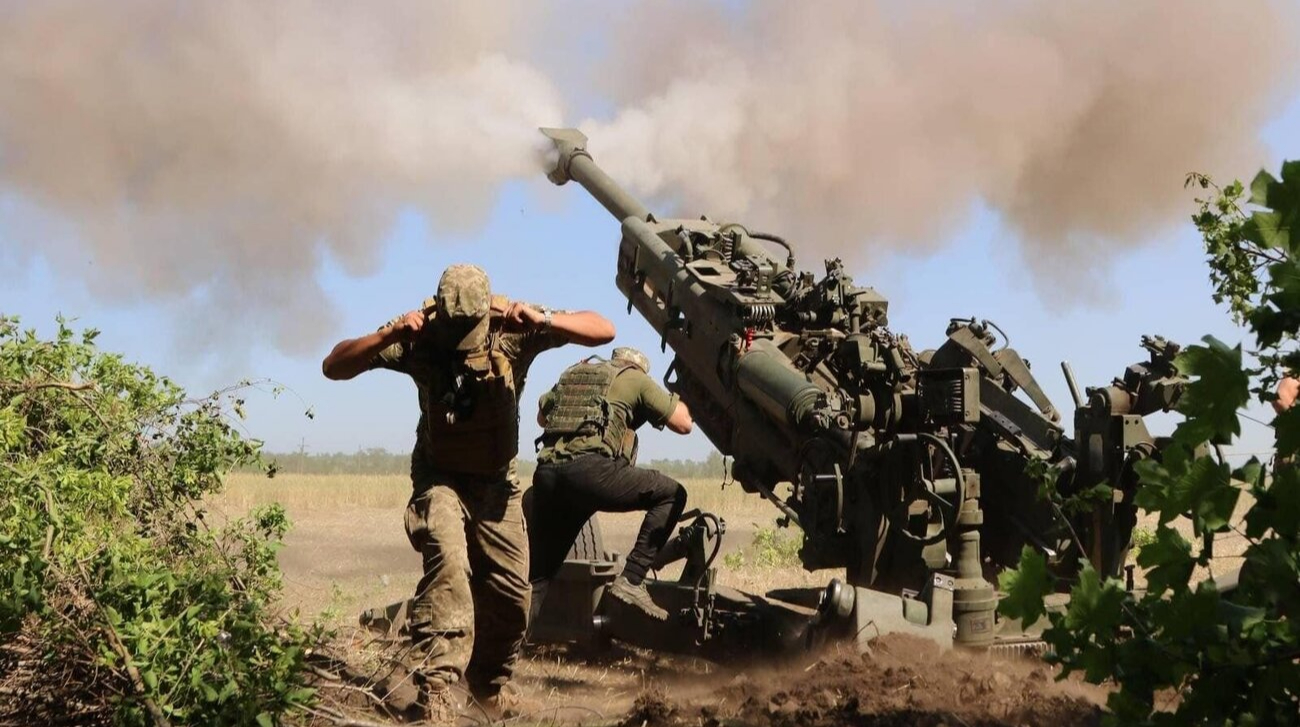
Ukrainian President Volodymyr Zelenskyy has directly addressed the immediate risks facing Ukraine's defence capabilities, highlighting a severe shortage of air defence systems and the missiles required to operate them.[2] In his recent statements, Zelenskyy noted that these interceptor missiles "may run out any week," a scenario hinging entirely on the intensity of ongoing Russian attacks.[2] This warning paints a picture of a defence apparatus stretched to its limits, where the arrival of promised supplies is perpetually described as "always on the way," yet insufficient to meet current demands.[2]
The implications of this shortage are profound for Ukraine's ability to counter aerial threats, including missiles and drones that have become hallmarks of Russian tactics in the war in Ukraine. Zelenskyy's remarks serve as a call to action for international partners, stressing that without a steady influx of munitions, Ukraine's protective shield could falter at any moment.[2] He framed this not as a distant possibility but as an imminent threat, calibrated precisely to the fluctuating tempo of Russian offensives.[2] This level of candor from the president aims to galvanize support, reminding allies of the real-time stakes in sustaining Ukraine's airspace integrity amid relentless bombardment.[2]
Furthermore, Zelenskyy's emphasis on the dependency on external aid reveals the structural challenges in Ukraine's defence posture. The phrase "they are always on the way" encapsulates a frustrating pattern of delayed deliveries, where commitments from supporters fail to translate into on-the-ground security in a timely manner.[2] As Russian forces continue their assaults, the potential exhaustion of missiles underscores the urgency for accelerated assistance, positioning this issue at the forefront of Ukraine's wartime needs.[2]
Rejection of the Donbas Proposal
President Zelenskyy has firmly rejected a proposal dubbed 'Donnyland' for the Donbas region, characterizing it pointedly as 'Not Putinland'.[1] This pushback reflects his administration's steadfast opposition to any plan perceived as conceding ground to Russian influence in the contested eastern territories.[1] The 'Donnyland' initiative, as referenced in recent coverage, appears to suggest some form of administrative or territorial arrangement for Donbas that Zelenskyy views as incompatible with Ukraine's sovereignty.[1]
Zelenskyy's rhetoric—"Not Putinland"—serves as a sharp dismissal, equating the proposal with capitulation to Moscow's demands and rejecting it outright in the context of the broader war in Ukraine.[1] This stance aligns with Ukraine's long-held position against territorial compromises that could legitimize Russian occupation. By invoking "Putinland," Zelenskyy draws a clear line, framing the 'Donnyland' idea as a non-starter that undermines the principles of Ukrainian independence and territorial integrity.[1]
The president's comments on this proposal highlight ongoing diplomatic tensions surrounding the Donbas conflict, a flashpoint since the war's early stages. Zelenskyy's rejection reinforces Kyiv's negotiating red lines, signaling that any resolution must prioritize Ukrainian control rather than accommodations favoring Russia.[1] This development adds another layer to the complex interplay of military and political pressures in the war in Ukraine, where proposals like 'Donnyland' test the boundaries of acceptable compromise.[1]
Impact of Global Distractions on Ukraine
The war in Iran has significantly diverted global attention from Russia's aggression against Ukraine, according to President Zelenskyy, creating a perilous lag in international efforts to address the conflict.[3] Zelenskyy explicitly stated that this distraction poses a "serious risk" that initiatives to halt the fighting in Ukraine could be postponed until the Iranian conflict resolves.[3] He argued that talks on Ukraine "can't wait until Iran war is over," urging a parallel approach to maintain momentum on diplomatic fronts.[3]
This acknowledgment from Zelenskyy illustrates how interconnected global crises can marginalize Ukraine's plight, even as Russian attacks persist unabated.[3] The diversion of focus, he noted, stems from the intense scrutiny on Iran's war, which overshadows the urgent needs in Ukraine and potentially delays critical support and negotiations.[3] Zelenskyy's warning underscores the competitive landscape for international attention, where resources and diplomatic bandwidth are finite amid multiple hotspots.[3]
In practical terms, this global distraction complicates Ukraine's path to de-escalation, as efforts to stop the fighting require sustained engagement from world powers.[3] Zelenskyy's call for immediacy in talks reflects a strategic imperative to insulate Ukraine's issues from external conflicts, ensuring that the war in Ukraine does not become collateral in broader geopolitical shifts.[3] By highlighting this dynamic, the president seeks to refocus priorities, emphasizing that delays could prolong suffering and instability.[3]
Overview of Zelenskyy's Statements
President Volodymyr Zelenskyy's recent comments weave together military vulnerabilities, diplomatic rejections, and geopolitical frustrations in the war in Ukraine.[1][2][3] On air defences, he warned of potential missile depletion "any week" due to Russian attack intensity, coupled with shortages in systems overall, and aid that remains "always on the way."[2] This urgency contrasts with his dismissal of the 'Donnyland' proposal for Donbas as 'Not Putinland,' a rejection rooted in opposition to Russian-favored arrangements.[1]
Simultaneously, Zelenskyy addressed external factors, noting how the war in Iran diverts attention from Russia's actions, risking a pause in efforts to end Ukraine's conflict until that crisis abates.[3] He insisted that talks cannot be deferred, advocating for concurrent global action.[3] Collectively, these statements from Zelenskyy paint a multifaceted picture: immediate defence perils, unyielding territorial stances, and the need to counter distraction.[1][2][3]
This overview reveals Zelenskyy's holistic approach, balancing frontline realities with broader strategy. His air defence alert[2], Donbas rebuff[1], and Iran critique[3] collectively amplify calls for unwavering support, positioning Ukraine as a priority amid competing crises. These remarks, drawn from verified reports, encapsulate the president's push for sustained aid, firm diplomacy, and undivided attention.[1][2][3]
Urgency in Ukraine's Defence Needs
The broader implications of Ukraine's missile shortages and diplomatic hurdles are starkly outlined in President Zelenskyy's addresses, emphasizing the precarious state of defence amid Russian aggression.[2][3] With air defence missiles at risk of running out weekly based on attack ferocity, and systems already in short supply, Ukraine faces heightened exposure.[2] Zelenskyy's description of aid as "always on the way" highlights systemic delivery challenges that exacerbate these vulnerabilities.[2]
Compounding this, the war in Iran draws global eyes away, potentially stalling anti-war efforts for Ukraine until resolution elsewhere.[3] Zelenskyy warned of this "serious risk," advocating that negotiations proceed without delay.[3] Together, these elements—defence gaps[2] and attention deficits[3]—underscore the compounded urgency, where military sustainability hinges on rapid resupply and diplomatic persistence.
Zelenskyy's framing positions Ukraine's needs as non-negotiable, with shortages threatening operational continuity and distractions risking prolonged stalemate.[2][3] This context demands proactive measures from allies, as the interplay of these factors could tip the balance in the war in Ukraine. His statements serve as a clarion call, linking tactical imperatives to strategic necessities for enduring defence.[2][3]
What to watch next: Monitor the delivery timelines of promised air defence missiles, Zelenskyy's follow-up on the 'Donnyland' proposal, and whether global talks on Ukraine advance despite the war in Iran.[1][2][3]