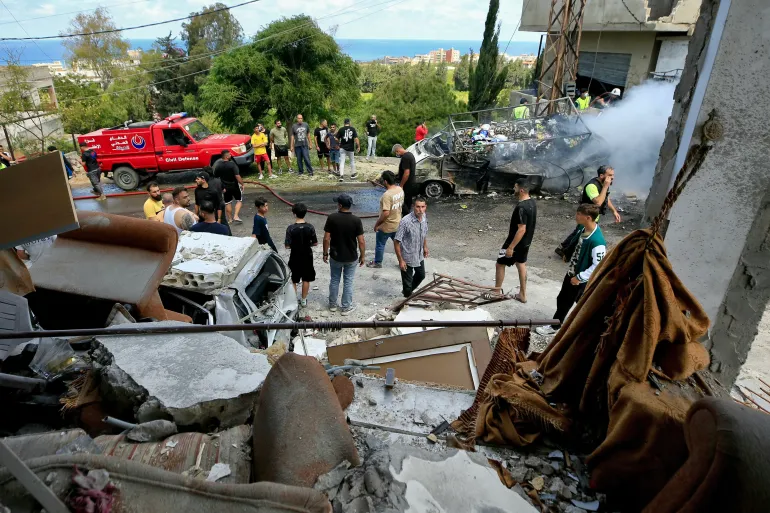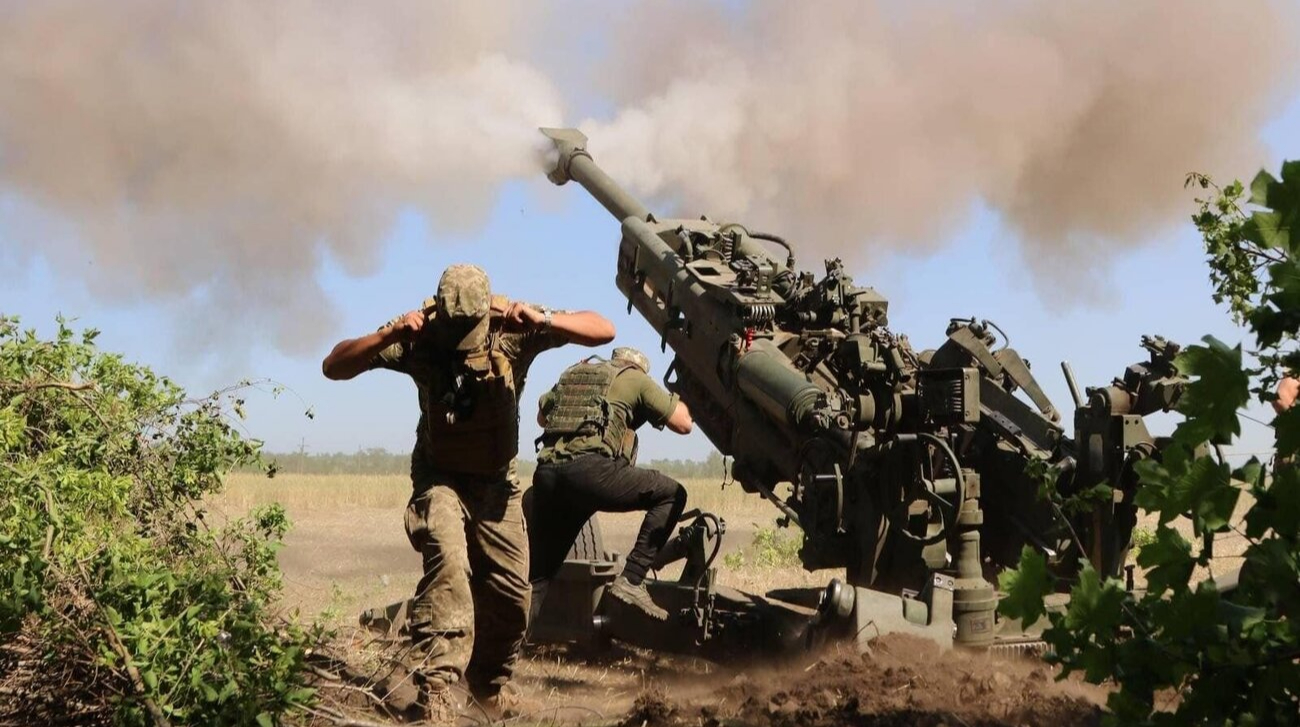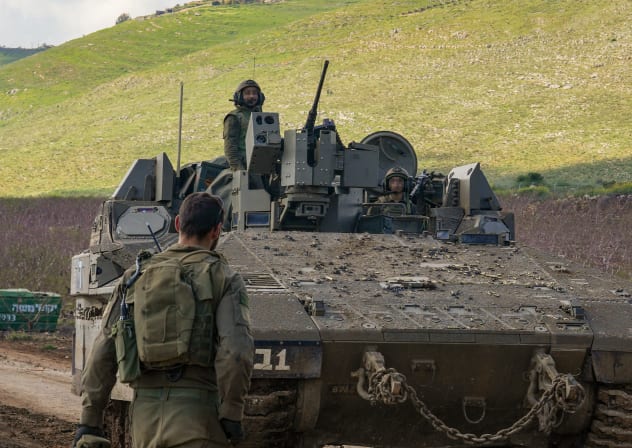

Strike in Lebanon: Hundreds of Hezbollah terrorists killed in 24 hours before ceasefire, IDF reports.
Hundreds of Hezbollah terrorists were killed in the 24 hours before the Israel-Lebanon ceasefire, as revealed by the IDF.[1] This significant strike in Lebanon highlights the intensity of military operations right up to the ceasefire agreement. In related developments, a second French soldier died from wounds sustained in an attack on UN peacekeepers in Lebanon, which was blamed on Hezbollah.[2][3] The initial ambush resulted in the death of staff sergeant Florian Montorio, with Hezbollah denying responsibility.[3] French President Emmanuel Macron has attributed the attack to Iran-backed Hezbollah.[2]
Hezbollah Casualties Reported by IDF
The Israel Defense Forces (IDF) has disclosed a major development in the recent strike in Lebanon, announcing that hundreds of Hezbollah terrorists were eliminated in the 24 hours immediately preceding the Israel-Lebanon ceasefire.[1] This revelation provides a detailed snapshot of the final phase of intensified operations against Hezbollah targets. The IDF's statement emphasizes the scale of these losses, describing them as hundreds of terrorists killed within that critical one-day window.[1] Such announcements from the IDF are typically based on operational intelligence and battlefield assessments, underscoring the effectiveness of strikes conducted just before the ceasefire took effect.[1]
This report from the IDF comes at a pivotal moment, as it details the culmination of a period marked by heightened military activity along the Israel-Lebanon border.[1] The timing—specifically the 24 hours before the ceasefire—suggests a deliberate push to degrade Hezbollah's capabilities in the lead-up to the truce.[1] While the exact locations and methods of these strikes are not elaborated in the IDF's public disclosure, the sheer number of casualties reported points to a coordinated and extensive effort.[1] This information has been shared through reliable channels, including coverage by The Jerusalem Post, which highlighted the IDF's reveal as a key update on the conflict's final hours.[1]
The significance of these casualties cannot be overstated in the context of the broader military campaign. Hezbollah, as a major militant group operating in Lebanon, has been a focal point of Israeli operations, and the IDF's claim of hundreds killed in such a compressed timeframe represents a substantial blow.[1] Analysts reviewing such IDF reports often note that they reflect real-time assessments from aerial surveillance, ground intelligence, and post-strike evaluations, though independent verification remains challenging in active conflict zones.[1] This disclosure reinforces the IDF's narrative of achieving tactical successes right up to the ceasefire, potentially influencing post-truce dynamics.[1]
Attack on UN Peacekeepers in Lebanon
An attack on UN peacekeepers in Lebanon has drawn international attention, with one French soldier, staff sergeant Florian Montorio, killed during the ambush.[3] This incident targeted United Nations Interim Force in Lebanon (UNIFIL) personnel, occurring over the weekend in a volatile area.[2][3] The ambush, described as a deliberate assault, resulted in Montorio being shot dead on the spot.[3] Such attacks on multinational peacekeeping forces underscore the precarious security environment in southern Lebanon amid ongoing tensions.[2]
France 24 reporting details how the ambush unfolded against UN forces, which are deployed to maintain stability along the Blue Line separating Israel and Lebanon.[2] The event has been framed as part of broader risks to international observers in the region, with the peacekeeping mission's spokesperson, Tilak Pokharel, providing insights in interviews.[2] UNIFIL's role involves monitoring ceasefire compliance and facilitating humanitarian efforts, making any assault on its members a serious violation of international norms.[2] The specifics of the attack—carried out last week—highlight the dangers faced by troops from contributing nations like France.[2]
This strike on UN peacekeepers not only claimed a life but also prompted immediate responses from involved parties, amplifying its regional impact.[3] The location in Lebanon, near areas of frequent Hezbollah activity, places the incident within the context of cross-border hostilities.[2] Coverage from France 24 emphasizes the ambush's nature as a targeted operation, raising questions about the safety protocols for UNIFIL patrols in contested zones.[3]
Additional Casualties from the Ambush
Compounding the tragedy, a second French peacekeeper died on Wednesday from wounds sustained in the same ambush blamed on Hezbollah.[2][3] President Emmanuel Macron confirmed this development, noting the soldier's death following the weekend incident.[2][3] This brings the total French casualties from the attack to two, with the first being staff sergeant Florian Montorio, who was killed outright during the Saturday ambush.[3]
The second soldier's passing marks a somber escalation in the ambush's toll, as reported extensively by France 24.[3] Macron's statement on Wednesday directly addressed the loss, linking it to injuries inflicted in the initial assault.[2] This additional casualty illustrates the prolonged effects of such attacks, where survivors may succumb to their wounds days later.[3] Hezbollah has explicitly denied responsibility for the ambush, creating a point of contention amid the blame attribution.[3]
The deaths of these two French soldiers highlight the human cost to international peacekeeping efforts in Lebanon.[2][3] France, as a major contributor to UNIFIL, now grapples with the loss of two servicemembers in quick succession from the same event.[3] Reporting from France 24's Camille Corcoran provides on-the-ground context, detailing how the ambush's aftermath continued to unfold with this second fatality.[3] These losses serve as a stark reminder of the risks inherent in UN operations in conflict-adjacent areas.[2]
Statements from Officials
Key statements from officials have shaped the narrative around these events. French President Emmanuel Macron stated that the attack on UN peacekeepers was carried out by Iran-backed Hezbollah, specifically referencing the second French soldier's death.[2] Macron made this assertion on Wednesday, directly implicating the group in the ambush that also killed staff sergeant Florian Montorio.[2][3]
Hezbollah, for its part, has denied responsibility for the Saturday ambush on UN forces.[3] This denial contrasts sharply with Macron's attribution, highlighting a diplomatic rift in interpretations of the incident.[2][3] In interviews tied to France 24 coverage, UNIFIL spokesperson Tilak Pokharel addressed the peacekeeping mission's perspective, though specifics on blame were deferred to national leaders.[2]
These official remarks provide critical context without venturing into unverified territory. Macron's characterization of Hezbollah as Iran-backed underscores France's stance on the group's role in regional instability.[2] The combination of presidential statements and Hezbollah's rebuttal reflects the multifaceted discourse surrounding attacks on international forces.[3] France 24's reporting captures these voices, including contributions from reporters Mark Owen and Camille Corcoran, ensuring a balanced presentation of positions.[2][3]
Overview of Recent Events
Recent events in Lebanon tie together significant military and security developments. The IDF's report of hundreds of Hezbollah terrorists killed in the 24 hours before the Israel-Lebanon ceasefire forms the backdrop to these updates.[1] Concurrently, the attack on UN peacekeepers, resulting in two French soldier deaths, has been blamed on Hezbollah by French President Macron, though the group denies involvement.[2][3]
This overview encapsulates the IDF's revelation as a core military achievement in the strike in Lebanon, with hundreds of casualties inflicted pre-ceasefire.[1] The UN ambush adds a layer of international concern, with staff sergeant Florian Montorio's immediate death and a second soldier succumbing to wounds.[3] Macron's statements reinforce the attribution to Iran-backed Hezbollah, while UNIFIL's ongoing mission faces heightened scrutiny.[2]
These incidents collectively illustrate the compressed timeline of violence leading into the ceasefire.[1][2][3] The IDF's operational success against Hezbollah coincides with risks to peacekeepers, painting a picture of a volatile end to active hostilities.[1][3] France 24's dual coverage provides comprehensive sourcing on the ambush's human toll and official reactions.[2][3] Together, these facts from the IDF and French reporting offer a factual lens on the recent strike in Lebanon and its ripple effects.[1][2][3]
What to watch next: Monitor developments from the IDF on post-ceasefire assessments of Hezbollah capabilities[1] and updates from French officials or UNIFIL on investigations into the peacekeeper ambush.[2][3]